Spain Launches Historic 2026 Migrant Legalisation Drive
President weighs Supreme Court referral as Ireland’s International Protection Bill faces constitutional test
France to Increase Residence Permit and Naturalisation Fees from 1 May 2026
Latest News
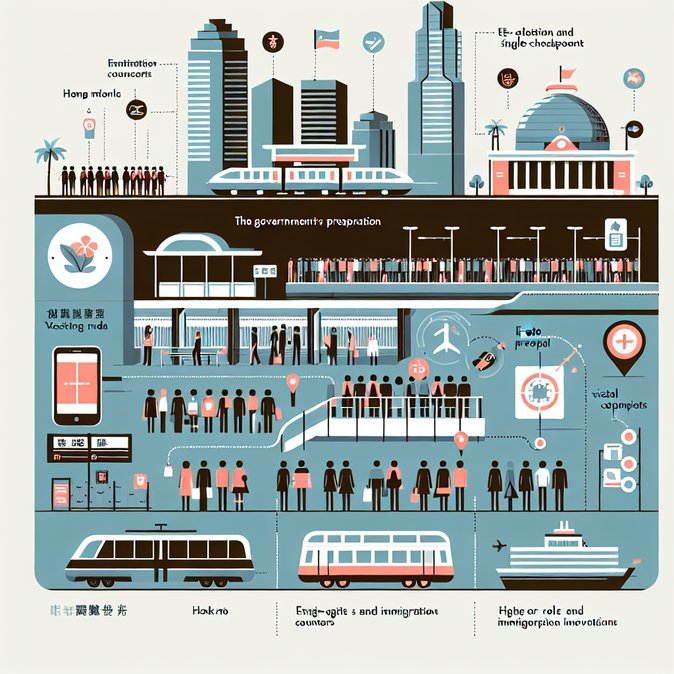
Hong Kong braces for 980,000 mainland arrivals during Labour Day Golden Week
Hong Kong projects almost one million mainland visitor entries during the 1–5 May Labour Day holiday, prompting the government to activate round-the-clock command centres, add immigration counters and boost rail and bridge shuttle capacity. The influx will benefit retail and hospitality but could disrupt daily cross-border commutes, underscoring the importance of upcoming e-gate and single-checkpoint innovations.

Senate Republicans Move to Break DHS Funding Deadlock, Restore Visa & Border Operations
Republican senators unveiled a budget-reconciliation bill on 21 April that would reopen the Department of Homeland Security and restore funding for TSA, CBP, USCIS and ICE. The shutdown has already lengthened visa processing times and threatened airport security staffing. If passed, the measure would quickly restart immigration adjudications and ease travel disruptions that are hammering business travelers and corporate relocation programs.

Greece Suspends EU Biometric Border Checks for UK Travellers Ahead of Summer Rush
Greece has become the first EU state to exempt UK passport-holders from the new Entry/Exit System’s fingerprint and facial-scan requirements. The policy, announced 20 April, is designed to avert peak-season airport queues and protect Greece’s £17 billion UK tourism market. It offers British holidaymakers and business travellers faster entry and may pressure rival destinations to follow suit.
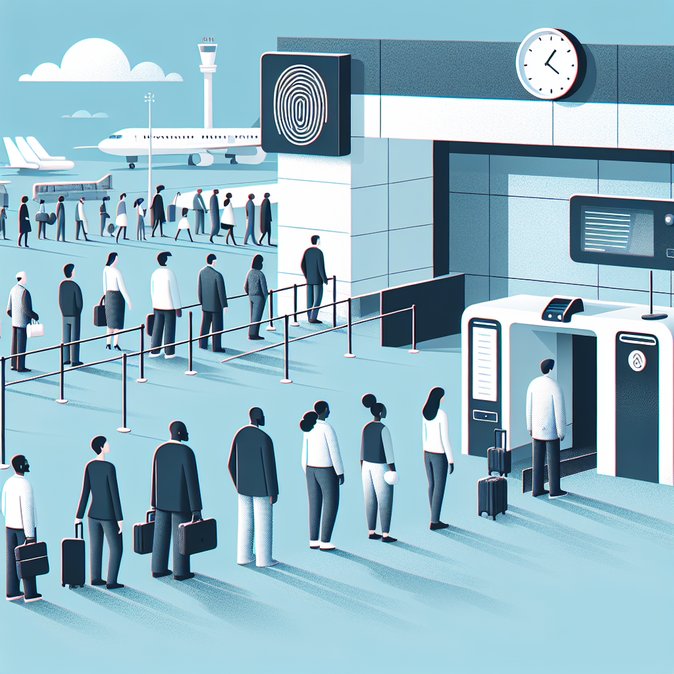
EES Roll-out Triggers Two-Hour Queues at Paris-CDG as Industry Demands Flexibility
The EU’s new Entry/Exit biometric border system is causing significant congestion at Paris-Charles-de-Gaulle, with afternoon waits often exceeding two hours. Airlines and airports want France to invoke temporary suspension clauses to ease pressure before the summer peak, while corporates are lengthening connection windows and rerouting travellers. Without remedial action, experts warn of major knock-on effects for business schedules and passenger satisfaction. ([nomadlawyer.org](https://www.nomadlawyer.org/border-gridlock-biometrics-april-2026?utm_source=openai))
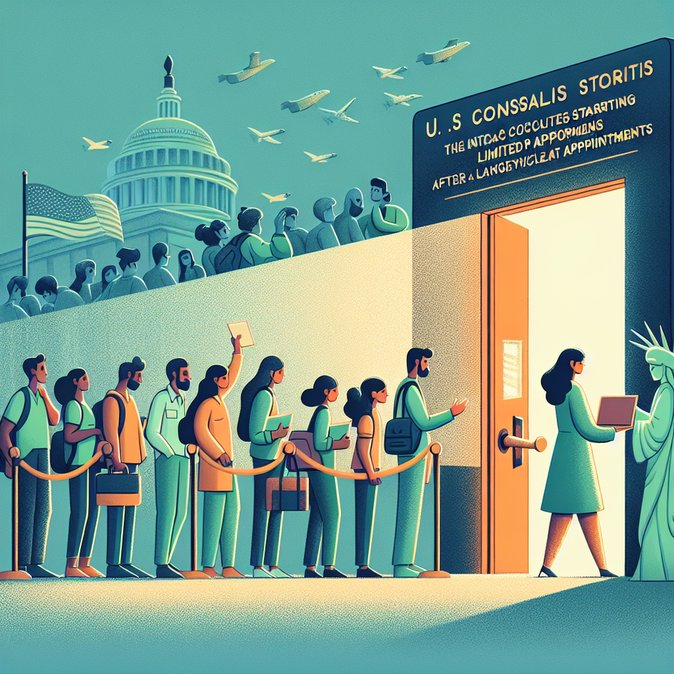
US Consulates Release Fresh H-1B, H-4 and F-1 Interview Slots Across India
US consulates have started releasing limited batches of H-1B, H-4 and F-1 interview appointments after a months-long freeze caused by enhanced social-media vetting. While the move will help thousands of stranded Indian tech workers and students, slots remain scarce and are snapped up within minutes, meaning travel plans should remain flexible. Companies and universities are urged to monitor the portal closely and avoid non-essential trips until capacity normalises.

Emirates & Qatar Airways Drop A380s From Seven Routes As Iran Conflict Forces Network Shake-Up
Emirates and Qatar Airways have removed the fuel-hungry A380 from seven routes, citing airspace restrictions and soaring fuel prices linked to the Iran conflict. The capacity downgrade tightens premium-class inventory, squeezes cargo space and adds complexity for business-travel planners. Companies should expect higher fares, potential re-routing and fresh war-risk surcharges.

Belgium to Mandate Online Work-Permit Applications From 1 May 2026
From 1 May 2026, Belgium will require most commuter and short-term work-permit applications to be submitted through its new “Working in Belgium” portal, ending email and paper filings. Employers will need digital certificates, and applicants must upload colour PDFs that meet strict size and language rules. Officials expect processing times to be cut in half, but filings sent by email after 30 April will be rejected. The measure is a key milestone in Belgium’s broader push toward fully digital immigration services.

Brazil’s Congress Moves to Create Seasonal Agricultural Worker Visa
Bill 1649/2026, introduced on 20 April 2026, would create a five-year, multi-entry seasonal agricultural worker visa in Brazil. The measure aims to give agribusiness legal access to migrant labour while obliging employers to register jobs with the National Employment System and meet strict welfare standards. If passed, the visa would reshape recruitment timelines and compliance duties for companies that rely on seasonal farmhands.

Chinese Visa Applications Almost Back to 2019 Levels, Signalling Powerful Restart of Outbound Market
VFS Global says first-quarter 2026 visa applications from mainland Chinese travellers are within touching distance of 2019’s record, led by Schengen countries, the US and UK. The rebound is fuelled by new visa-waiver deals, cheaper fees and pent-up corporate demand, and is prompting airlines and service providers to scale up capacity. Businesses should lock in appointments and airfares early as competition for slots and seats intensifies.

Czech Government Green-lights Major Overhaul of Passports and ID Cards, Empowering Embassies Worldwide
The Czech cabinet has approved amendments that will allow embassies to produce full-validity passports and ID cards, end duplicate fingerprinting, and introduce mobile enrolment units for the sick or elderly. The reform promises faster renewals for Czechs abroad and fewer administrative hurdles for employers relocating staff, while tightening national-security safeguards.

Finland to Reject Russian Non-Biometric Passports from 1 June 2026
From 1 June 2026, Finland will stop accepting non-biometric Russian passports for new visas, residence permits or entry at the border. A transition period runs through 31 December 2026 for travelers who already hold valid Schengen visas, but Russian citizens are advised to apply with a biometric passport from 1 May 2026 to avoid processing delays. Companies moving Russian staff to Finland must ensure travelers renew their passports or risk being turned away.

Aer Lingus warns 23,000 passengers of summer flight cancellations
Aer Lingus will cut about 430 flights—roughly 2 percent of its summer programme—because aircraft maintenance is running behind schedule, impacting an estimated 23,000 passengers. The carrier says most travellers will be rebooked on same-day alternatives, but corporate travel departments are being urged to audit critical journeys and line up contingency routings. The news highlights ongoing supply-chain strains in aviation maintenance and adds scheduling risk for firms that rely on Ireland’s primary long-haul gateway.

Meloni opens door to tweaks in controversial migrant repatriation-bonus scheme
Prime Minister Giorgia Meloni said her government will modify—but not scrap—the disputed €615 bonus for lawyers who convince migrants to return home voluntarily. The incentive is expected to enter into force unchanged this week and be revised in a later bill, creating legal uncertainty for immigration practitioners and companies that rely on timely permit processing.

Tube Drivers’ Strike Shuts Key London Underground Lines, Disrupting Heathrow Access
A 24-hour RMT drivers’ strike that began at midday on 21 April has shut the Piccadilly and Circle lines and severely reduced other routes, cutting the main Tube link to Heathrow. The walk-out, with a second strike due on 23 April, is forcing travellers onto pricier surface transport and could cost London businesses over £100 million per day.

Bill C-12 triggers 21-day deadline for 30,000 asylum claimants
IRCC has begun sending 21-day warning letters to roughly 30,000 asylum seekers after Bill C-12 made late refugee claims ineligible for full hearings. Claimants must now submit new evidence, accept a limited PRRA review or leave Canada, putting many workers and their employers on edge. The retroactive rule change could exacerbate labour shortages but underscores Ottawa’s push to tighten asylum controls.

France Replaces OFII Levy with Stiff Administrative Fines—Up to €62,250 per Illegal Hire
Under reforms taking effect this month, France has abolished the OFII employer contribution and introduced an administrative fine of up to €20,750 per irregular foreign worker—triple that for repeat offences. Criminal fines double to €30,000 and now cover misuse of otherwise valid permits. HR departments must tighten audit processes and use the government’s new QR-code verification tools or risk six-figure liabilities. ([jobbatical.com](https://www.jobbatical.com/blog/france-employer-fines-administrative-penalties))
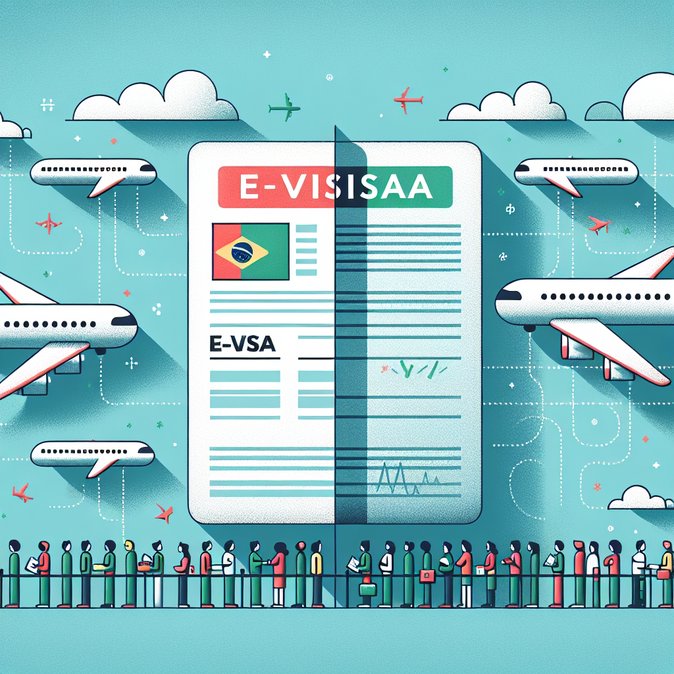
Brazilian Demand for Mexico Electronic Visas Soars to 12,000 Applications in Two Months
Mexico processed 12,000 Brazilian e-Visa applications between February and April 2026, signalling record demand for leisure and corporate travel. Airlines may need up to 20 extra flights, and mobility managers are warning of tighter seat and hotel inventory. The fully online visa—usually approved within 48 hours—offers convenience but requires meticulous document matching to avoid boarding denials.