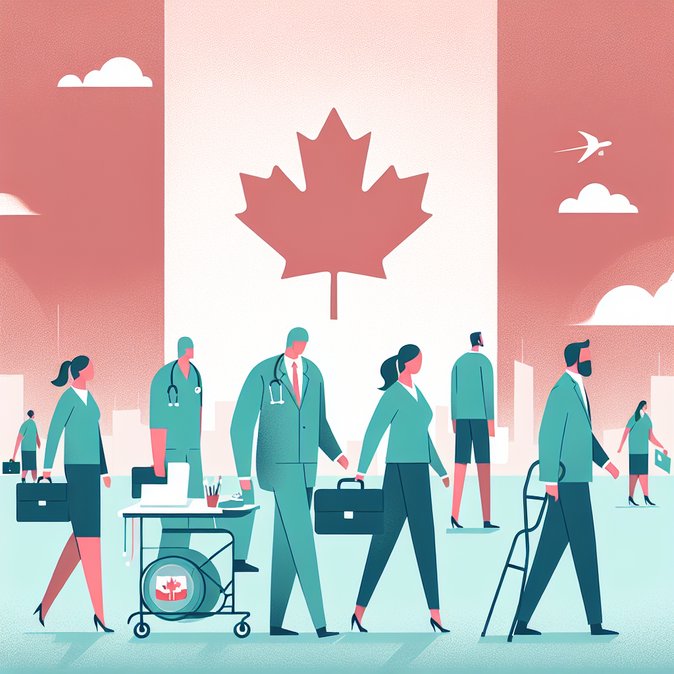
IRCC’s latest category-based Express Entry draw, held on 20 February 2026 and reported on 21 February, issued 4,000 Invitations to Apply (ITAs) to candidates whose primary occupation falls under the healthcare and social-services umbrella. The minimum Comprehensive Ranking System (CRS) score was 467, with a tie-break at 9 December 2025, 18:22 UTC. This is the fourth occupation-specific draw of 2026 and underscores Ottawa’s continued reliance on skilled immigration to back-fill chronic staffing shortages in hospitals, long-term-care facilities and community agencies. Employers from Halifax to Vancouver say domestic hiring pipelines remain thin despite wage hikes, making foreign talent essential to meeting service-level targets.
![4,000 Healthcare & Social-Services workers invited in targeted Express Entry draw]()
As healthcare professionals scramble to assemble police certificates, translations and fresh passports, VisaHQ (https://www.visahq.com/canada/) can step in to streamline the paperwork. The service handles visa applications, eTAs and document legalization end-to-end, saving both applicants and HR teams valuable time so they can focus on boosting CRS scores and meeting tight IRCC deadlines.
Compared with all-program draws earlier in the year—with cut-offs hovering around 511—the 467 bar is considerably lower, reflecting IRCC’s willingness to trade points for profession. Analysts note that Francophone candidates and those holding provincial nominations still receive absolute priority, but healthcare appears locked in as a standing category for 2026. For HR teams the immediate action item is to pre-screen internationally trained nurses, therapists and social workers who now sit above 467. Candidates have 60 days to submit full e-applications, and most can expect processing in roughly six months—meaning arrivals could start in Q4 2026, just as seasonal demand in elder-care peaks. Aspiring applicants who missed the cut should focus on language test upgrades or provincial nomination routes that can add up to 600 CRS points. IRCC’s calendar suggests at least two more healthcare-focused draws before summer, keeping the window of opportunity open.

As healthcare professionals scramble to assemble police certificates, translations and fresh passports, VisaHQ (https://www.visahq.com/canada/) can step in to streamline the paperwork. The service handles visa applications, eTAs and document legalization end-to-end, saving both applicants and HR teams valuable time so they can focus on boosting CRS scores and meeting tight IRCC deadlines.
Compared with all-program draws earlier in the year—with cut-offs hovering around 511—the 467 bar is considerably lower, reflecting IRCC’s willingness to trade points for profession. Analysts note that Francophone candidates and those holding provincial nominations still receive absolute priority, but healthcare appears locked in as a standing category for 2026. For HR teams the immediate action item is to pre-screen internationally trained nurses, therapists and social workers who now sit above 467. Candidates have 60 days to submit full e-applications, and most can expect processing in roughly six months—meaning arrivals could start in Q4 2026, just as seasonal demand in elder-care peaks. Aspiring applicants who missed the cut should focus on language test upgrades or provincial nomination routes that can add up to 600 CRS points. IRCC’s calendar suggests at least two more healthcare-focused draws before summer, keeping the window of opportunity open.