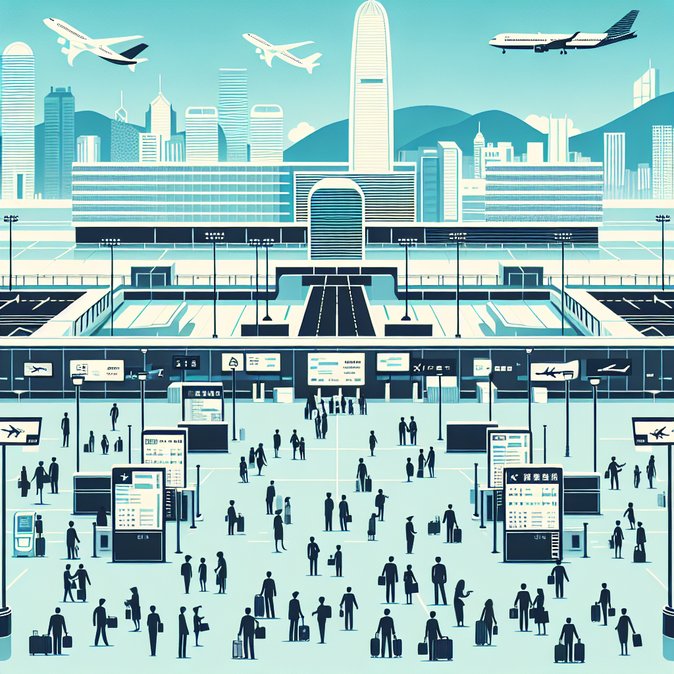
Hong Kong International Airport’s expansion programme passes a new milestone this spring. On May 27, the rebuilt Terminal 2 (T2) will come fully on-line after a seven-year overhaul that forms part of the airport’s HK$141.5 billion Three-Runway System project. Speaking on 20 February, Airport Authority board member and law-maker Rock Chen said the stand-alone departures terminal is expected to handle about 15 million travellers this calendar year—roughly one-quarter of the airport’s pre-pandemic throughput—and could double that to 30 million in the medium term.
Fifteen airlines—mostly low-cost and emerging regional carriers such as HK Express, Hong Kong Airlines and Greater Bay Airlines—will relocate check-in to T2, freeing counter space in Terminal 1 for long-haul and premium operators. The move is designed to relieve persistent congestion during peak periods and to accommodate the rebound in international business travel that is forecast for the second half of 2026.
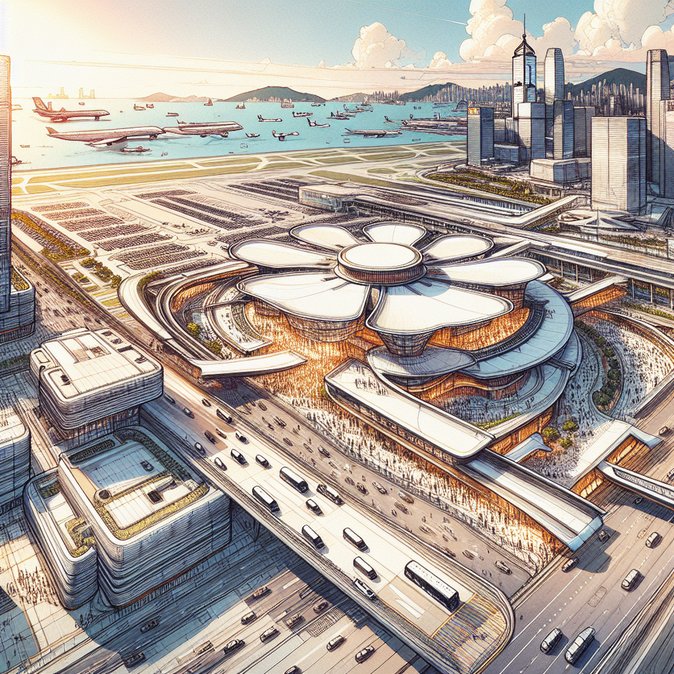
![HKIA’s revamped Terminal 2 to open in May, target 15 million passengers in 2026]()
T2 has been rebuilt as a “smart terminal” with 100-plus self-service kiosks, biometric bag-drop, and facial-recognition e-boarding gates. Airport Authority chief Fred Lam noted that the new layout reduces passenger processing time by up to 30 per cent and supports the authority’s goal of restoring hub competitiveness lost during the pandemic-era border closures.
Travellers making use of the upgraded facilities can further simplify their journeys by arranging any necessary visas in advance through VisaHQ (https://www.visahq.com/hong-kong/). The platform offers quick eligibility checks, digital form completion and real-time application tracking, helping both business and leisure passengers secure the right documents before arriving at the new terminal.
For mobility managers the extra capacity matters. Many multinational firms have restarted regional rotations through Hong Kong and were concerned about lengthening queues at check-in and security. Relocating short-haul leisure traffic to T2 should shorten dwell times for priority travellers in T1 and create more air-side lounge space that airlines can monetise. Duty-free operators also anticipate a revenue boost once passenger flow is re-balanced. Looking ahead, T2 will plug directly into the under-construction Airportcity Link and SKYCITY commercial district, giving assignees and visiting executives fast rail access to Tung Chung and the Greater Bay Area. With regional integration high on the government’s agenda, the terminal’s opening is an important signal that Hong Kong is once again investing in seamless cross-border connectivity.
Fifteen airlines—mostly low-cost and emerging regional carriers such as HK Express, Hong Kong Airlines and Greater Bay Airlines—will relocate check-in to T2, freeing counter space in Terminal 1 for long-haul and premium operators. The move is designed to relieve persistent congestion during peak periods and to accommodate the rebound in international business travel that is forecast for the second half of 2026.
T2 has been rebuilt as a “smart terminal” with 100-plus self-service kiosks, biometric bag-drop, and facial-recognition e-boarding gates. Airport Authority chief Fred Lam noted that the new layout reduces passenger processing time by up to 30 per cent and supports the authority’s goal of restoring hub competitiveness lost during the pandemic-era border closures.
Travellers making use of the upgraded facilities can further simplify their journeys by arranging any necessary visas in advance through VisaHQ (https://www.visahq.com/hong-kong/). The platform offers quick eligibility checks, digital form completion and real-time application tracking, helping both business and leisure passengers secure the right documents before arriving at the new terminal.
For mobility managers the extra capacity matters. Many multinational firms have restarted regional rotations through Hong Kong and were concerned about lengthening queues at check-in and security. Relocating short-haul leisure traffic to T2 should shorten dwell times for priority travellers in T1 and create more air-side lounge space that airlines can monetise. Duty-free operators also anticipate a revenue boost once passenger flow is re-balanced. Looking ahead, T2 will plug directly into the under-construction Airportcity Link and SKYCITY commercial district, giving assignees and visiting executives fast rail access to Tung Chung and the Greater Bay Area. With regional integration high on the government’s agenda, the terminal’s opening is an important signal that Hong Kong is once again investing in seamless cross-border connectivity.