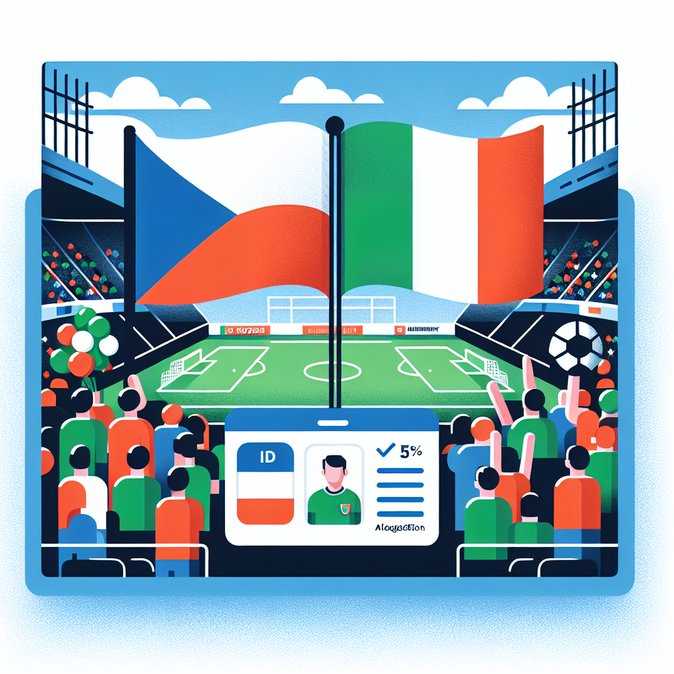
With a World Cup berth on the line, the Football Association of the Czech Republic (FAČR) has rolled out the strictest ticket-allocation controls in its history to keep home sections at Prague’s 20,000-seat Fortuna Arena free of Republic of Ireland supporters. Announced on 31 January 2026, the scheme requires purchasers to enter their national ID numbers, which will be cross-checked against Czech population registers before e-tickets are released.
Although UEFA rules oblige host nations to reserve just 5 % of capacity—about 1,000 seats—for visiting fans, more than 4,000 Irish supporters had applied through official channels within hours of tickets going on sale. FAČR officials say they will invalidate any purchases that fail the residency check and will refuse entry to fans wearing Irish colours in Czech-only zones.
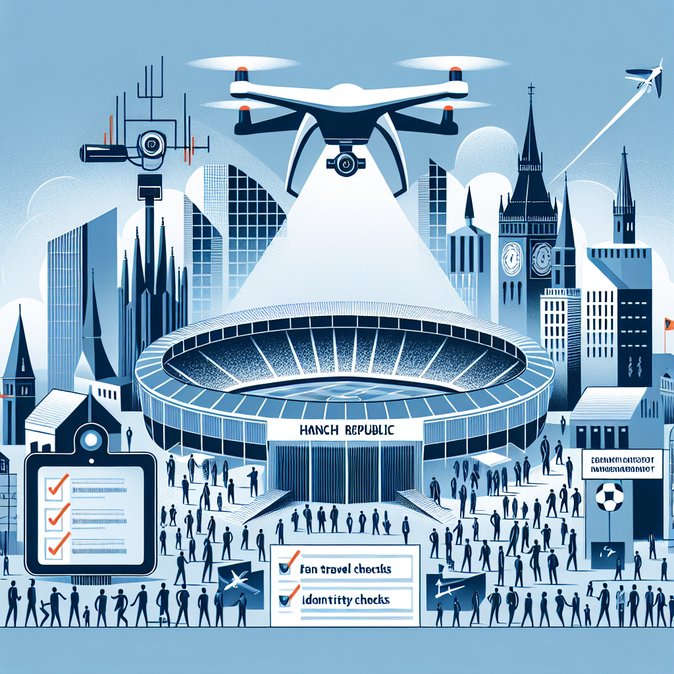
The clamp-down illustrates how event organisers are adapting border-control technology for crowd-management purposes. In effect, the FAČR is replicating Schengen exit-control logic inside the stadium: digital identity verification, combined with geo-fencing of ticket sales, allows the association to steer cross-border flows without violating EU freedom-of-movement principles.
![Czech FA Introduces ID-Verified Ticketing to Limit Irish Away Fans at Prague Play-off]()
For anyone uncertain about the documentation or ID checks that might now accompany match tickets, VisaHQ’s Czech Republic portal (https://www.visahq.com/czech-republic/) aggregates the latest entry requirements and facilitates fast processing of any supporting paperwork. The service gives travelling fans and corporate mobility teams a single, real-time dashboard to ensure staff and clients aren’t caught out by last-minute policy shifts at the stadium gate.
For mobility and relocation managers, the episode is a reminder that ID requirements can suddenly tighten around major events—even within the visa-free Schengen Area. Companies sending staff or clients to high-profile fixtures should verify ticket provenance and prepare contingency plans for last-minute refusals of entry.
Local hospitality providers, meanwhile, are bracing for a shortfall in anticipated Irish visitors; hotels near the stadium report a rise in cancellations since the FAČR announcement, highlighting the economic ripple effects of event-access policies on inbound travel.
Although UEFA rules oblige host nations to reserve just 5 % of capacity—about 1,000 seats—for visiting fans, more than 4,000 Irish supporters had applied through official channels within hours of tickets going on sale. FAČR officials say they will invalidate any purchases that fail the residency check and will refuse entry to fans wearing Irish colours in Czech-only zones.
The clamp-down illustrates how event organisers are adapting border-control technology for crowd-management purposes. In effect, the FAČR is replicating Schengen exit-control logic inside the stadium: digital identity verification, combined with geo-fencing of ticket sales, allows the association to steer cross-border flows without violating EU freedom-of-movement principles.
For anyone uncertain about the documentation or ID checks that might now accompany match tickets, VisaHQ’s Czech Republic portal (https://www.visahq.com/czech-republic/) aggregates the latest entry requirements and facilitates fast processing of any supporting paperwork. The service gives travelling fans and corporate mobility teams a single, real-time dashboard to ensure staff and clients aren’t caught out by last-minute policy shifts at the stadium gate.
For mobility and relocation managers, the episode is a reminder that ID requirements can suddenly tighten around major events—even within the visa-free Schengen Area. Companies sending staff or clients to high-profile fixtures should verify ticket provenance and prepare contingency plans for last-minute refusals of entry.
Local hospitality providers, meanwhile, are bracing for a shortfall in anticipated Irish visitors; hotels near the stadium report a rise in cancellations since the FAČR announcement, highlighting the economic ripple effects of event-access policies on inbound travel.