A fast-moving Mediterranean low swept across Central Europe overnight, blanketing much of Czechia in 5–15 centimetres of wet snow and turning key road and rail corridors into slow-moving car parks. The Czech Hydrometeorological Institute (ČHMÚ) upgraded its orange snow warning for Thursday, 29 January, extending the alert zone to include Prague and the industrial belt that connects the capital with Brno and Ostrava(novinky.cz).
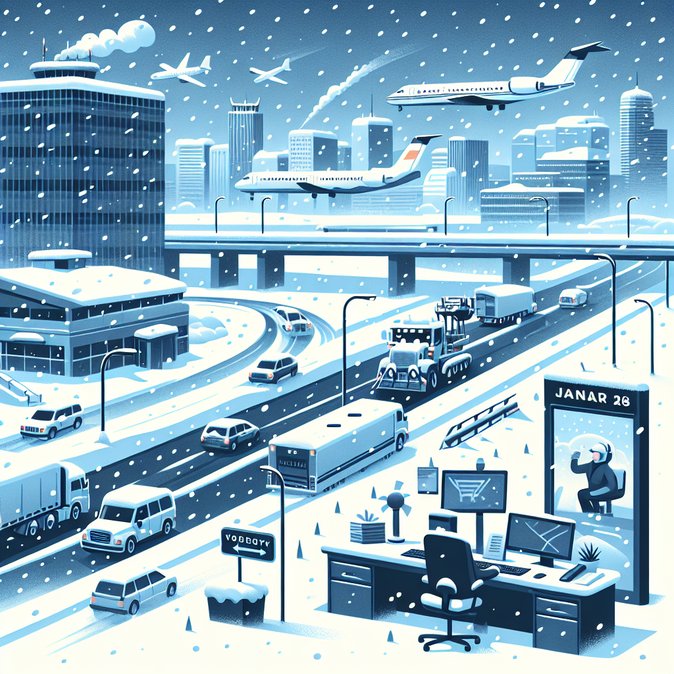
Morning peak-hour traffic quickly ground to a halt. On the D1 and D5 motorways—arteries vital for Czech exporters moving just-in-time freight to Germany and Austria—average speeds fell below 30 km/h, while regional police reported more than 50 accidents in Central Bohemia before 10 a.m. Passenger mobility fared little better: Prague Integrated Transport cancelled or curtailed dozens of suburban bus services, and tram lines in the capital were running with delays of up to 20 minutes as points froze and drivers struggled for traction(ct24.ceskatelevize.cz).
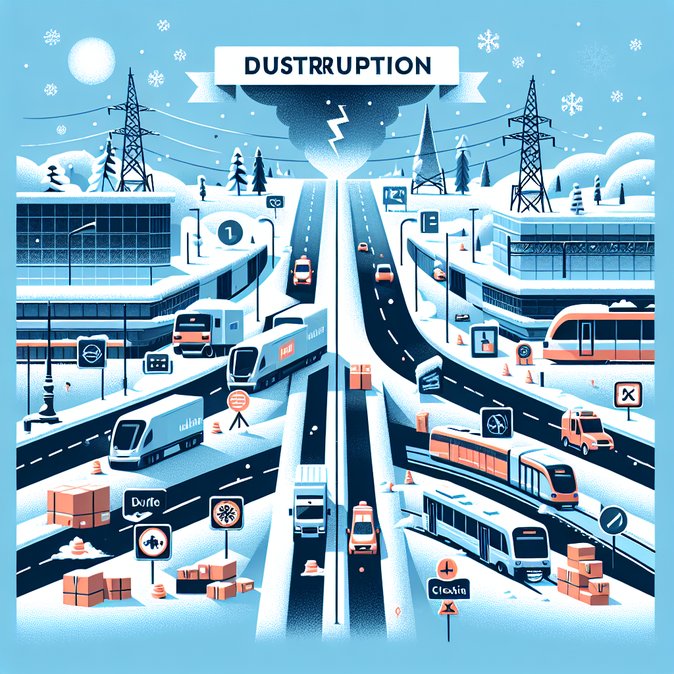
Rail freight operators diverted south-bound trains via Slovakia to avoid steep gradients on the Vysočina highlands, but that workaround created new bottlenecks as single-track sections reached capacity. The Logistics Association of the Czech Republic warned members to expect 24-hour knock-on delays for time-critical cargo such as automotive components and pharmaceuticals. Mobility managers at multinationals activated emergency protocols, instructing field engineers and expatriate assignees to work from home or delay site visits until highways re-opened.
![Heavy Snowfall Paralyzes Czech Transport Network, Forcing Businesses to Activate Travel-Risk Protocols]()
For travellers who must still navigate Czech entry requirements during the disruption, VisaHQ can smooth the process by handling visa or residence paperwork online and keeping you informed of every milestone. Their Czechia portal (https://www.visahq.com/czech-republic/) offers real-time status updates and document checks, a welcome buffer when bad weather makes embassy runs or foreign-police appointments impractical.
The weather disruption also exposed vulnerabilities in the Interior Ministry’s new digital Foreigner Account system, which requires physical biometrics only at fixed client-centre appointments. Several applicants missed their allotted windows, obliging HR teams to scramble for re-bookings and raising the risk of permit-expiry gaps. The ministry said it would offer grace periods for applicants who can prove force-majeure travel disruption, but practitioners advise keeping documentary evidence such as cancelled tickets and police reports.
Forecasters expect temperatures to plunge to –10 °C over the weekend, turning untreated snow to ice and prolonging hazards for business travellers. Companies are urged to re-evaluate duty-of-care policies, equip fleet vehicles with chains and emergency blankets, and build 48-hour buffers into itineraries until the cold snap passes.
Morning peak-hour traffic quickly ground to a halt. On the D1 and D5 motorways—arteries vital for Czech exporters moving just-in-time freight to Germany and Austria—average speeds fell below 30 km/h, while regional police reported more than 50 accidents in Central Bohemia before 10 a.m. Passenger mobility fared little better: Prague Integrated Transport cancelled or curtailed dozens of suburban bus services, and tram lines in the capital were running with delays of up to 20 minutes as points froze and drivers struggled for traction(ct24.ceskatelevize.cz).
Rail freight operators diverted south-bound trains via Slovakia to avoid steep gradients on the Vysočina highlands, but that workaround created new bottlenecks as single-track sections reached capacity. The Logistics Association of the Czech Republic warned members to expect 24-hour knock-on delays for time-critical cargo such as automotive components and pharmaceuticals. Mobility managers at multinationals activated emergency protocols, instructing field engineers and expatriate assignees to work from home or delay site visits until highways re-opened.

For travellers who must still navigate Czech entry requirements during the disruption, VisaHQ can smooth the process by handling visa or residence paperwork online and keeping you informed of every milestone. Their Czechia portal (https://www.visahq.com/czech-republic/) offers real-time status updates and document checks, a welcome buffer when bad weather makes embassy runs or foreign-police appointments impractical.
The weather disruption also exposed vulnerabilities in the Interior Ministry’s new digital Foreigner Account system, which requires physical biometrics only at fixed client-centre appointments. Several applicants missed their allotted windows, obliging HR teams to scramble for re-bookings and raising the risk of permit-expiry gaps. The ministry said it would offer grace periods for applicants who can prove force-majeure travel disruption, but practitioners advise keeping documentary evidence such as cancelled tickets and police reports.
Forecasters expect temperatures to plunge to –10 °C over the weekend, turning untreated snow to ice and prolonging hazards for business travellers. Companies are urged to re-evaluate duty-of-care policies, equip fleet vehicles with chains and emergency blankets, and build 48-hour buffers into itineraries until the cold snap passes.