With Canada continuing to rely on temporary labour even as overall admissions targets are trimmed, IRCC-licensed commentators have issued a fresh 2026 rights guide for Temporary Foreign Worker Program (TFWP) and International Mobility Program employees. Published yesterday, the piece distils federal and provincial rules into plain language and is being shared by several provincial employer-coalitions as mandatory reading for supervisors.
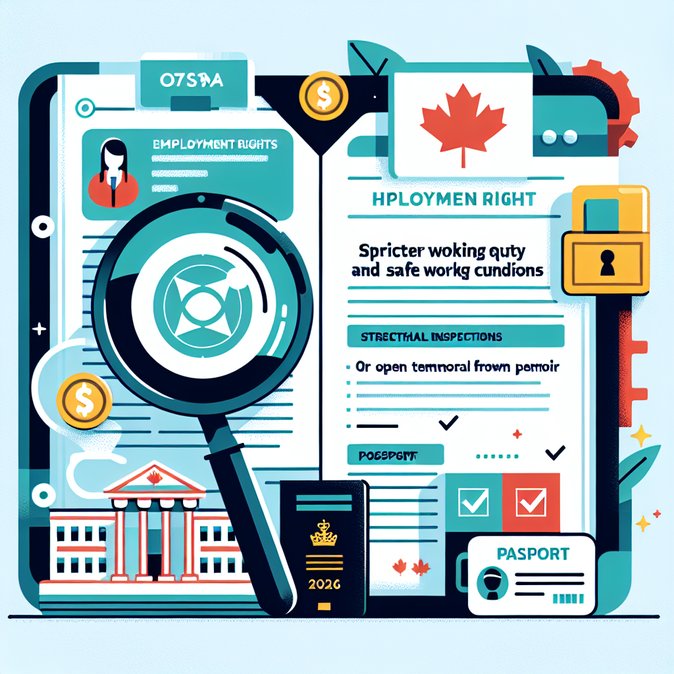
Key rights reiterated include fair pay, a signed employment agreement delivered on time, a safe workplace, access to health care, and protection against retaliation. Newcomers are reminded that employers may not hold passports, withhold wages, force unsafe work or threaten deportation—violations that continue to trigger multi-year employer bans and six-figure fines under the Immigration and Refugee Protection Regulations.
For both employers and workers navigating the paperwork behind these rights, VisaHQ can be an efficient bridge: its Canada platform offers live guidance, document checklists and status tracking for work permits and other visas, helping parties stay compliant from day one. Visit https://www.visahq.com/canada/ for details.
![Temporary Foreign Workers: IRCC Reminds Employers of 2026 Rights and Compliance Duties]()
The article points to Service Canada’s confidential 1-866-602-9448 tip line, the open-work-permit-for-vulnerable-workers pathway and provincial employment-standards offices as first lines of defence. For HR, the message is clear: update onboarding packets, conduct a document audit to ensure every foreign worker has a copy of their employment contract, and train front-line managers to recognise retaliation risks.
The timing matters. Ottawa’s 2026–2028 Levels Plan caps new TFWP arrivals at 60,000, down 27 % from earlier projections, meaning compliance inspections are likely to intensify as authorities seek to protect a smaller cohort. Employers that rely on seasonal or lower-wage streams should expect unannounced visits and should document housing, wage and safety standards meticulously. Failing an inspection can now block an LMIA renewal for up to five years—a risk few multinationals can afford in tight labour markets.
For workers, the takeaway is empowerment. The guide provides step-by-step checklists for reclaiming withheld documents, refusing unsafe work and filing wage complaints—tools that advocates say are crucial as many newcomers still hesitate to report violations for fear of job loss.
Key rights reiterated include fair pay, a signed employment agreement delivered on time, a safe workplace, access to health care, and protection against retaliation. Newcomers are reminded that employers may not hold passports, withhold wages, force unsafe work or threaten deportation—violations that continue to trigger multi-year employer bans and six-figure fines under the Immigration and Refugee Protection Regulations.
For both employers and workers navigating the paperwork behind these rights, VisaHQ can be an efficient bridge: its Canada platform offers live guidance, document checklists and status tracking for work permits and other visas, helping parties stay compliant from day one. Visit https://www.visahq.com/canada/ for details.

The article points to Service Canada’s confidential 1-866-602-9448 tip line, the open-work-permit-for-vulnerable-workers pathway and provincial employment-standards offices as first lines of defence. For HR, the message is clear: update onboarding packets, conduct a document audit to ensure every foreign worker has a copy of their employment contract, and train front-line managers to recognise retaliation risks.
The timing matters. Ottawa’s 2026–2028 Levels Plan caps new TFWP arrivals at 60,000, down 27 % from earlier projections, meaning compliance inspections are likely to intensify as authorities seek to protect a smaller cohort. Employers that rely on seasonal or lower-wage streams should expect unannounced visits and should document housing, wage and safety standards meticulously. Failing an inspection can now block an LMIA renewal for up to five years—a risk few multinationals can afford in tight labour markets.
For workers, the takeaway is empowerment. The guide provides step-by-step checklists for reclaiming withheld documents, refusing unsafe work and filing wage complaints—tools that advocates say are crucial as many newcomers still hesitate to report violations for fear of job loss.