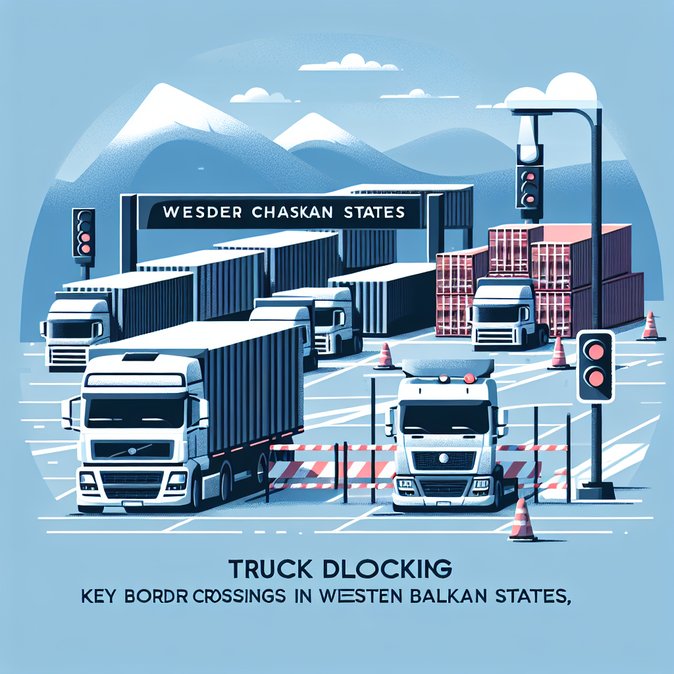
Hundreds of lorries queued at checkpoints from Bosnia’s Svilaj crossing to Montenegro’s port of Bar on 26 January as non-EU truck drivers protested the European Union’s stricter enforcement of the Entry/Exit System (EES). Since October, biometric gates record every non-EU entry, effectively capping drivers’ time in the Schengen Area—including Italy—to 90 days in any 180-day window.
Hauliers from Serbia, Bosnia-Herzegovina, North Macedonia and Montenegro argue the rule makes year-round shuttle runs to Italian markets impossible. “We reach the 90-day limit by mid-March; after that our trucks sit idle,” said driver Amir Hadžidedić at the Svilaj bridge to Croatia. The blockade allowed only essential cargo such as medicines and live animals to pass.
![Balkan Truckers Block Borders Over EU 90/180 Rule, Threatening Italian Supply Chains]()
For drivers, fleet owners and shippers trying to decode the new time-limit rules, visa specialists can be invaluable. VisaHQ, for instance, provides step-by-step assistance with Italian and wider Schengen visa requirements, helps calculate remaining Schengen days, and expedites multi-entry applications that keep trucks on the road. More information is available at https://www.visahq.com/italy/
Italian importers in the Veneto and Emilia-Romagna report delays of 24–36 hours for textiles, automotive parts and fresh produce sourced via the Balkan land corridor. The port of Trieste warned of knock-on congestion as rail operators struggled to reposition containers. Freight forwarder Savino Del Bene estimates that a week-long protest could raise spot-rates on the Istanbul–Milan lane by 12 %.
The European Commission said it is "reviewing professional-driver exemptions" but offered no timeline. Unless a fix is found, Italian exporters count on the Balkan driver pool—40 % of international licences issued in Italy last year went to non-EU nationals—could face chronic labour shortages just as e-commerce volumes peak ahead of Easter. Corporate logistics teams should map alternative routings via Slovenia or ferry services from Greece to Brindisi and Ancona, while monitoring for additional slow-roll protests announced for 29 January.
Hauliers from Serbia, Bosnia-Herzegovina, North Macedonia and Montenegro argue the rule makes year-round shuttle runs to Italian markets impossible. “We reach the 90-day limit by mid-March; after that our trucks sit idle,” said driver Amir Hadžidedić at the Svilaj bridge to Croatia. The blockade allowed only essential cargo such as medicines and live animals to pass.
For drivers, fleet owners and shippers trying to decode the new time-limit rules, visa specialists can be invaluable. VisaHQ, for instance, provides step-by-step assistance with Italian and wider Schengen visa requirements, helps calculate remaining Schengen days, and expedites multi-entry applications that keep trucks on the road. More information is available at https://www.visahq.com/italy/
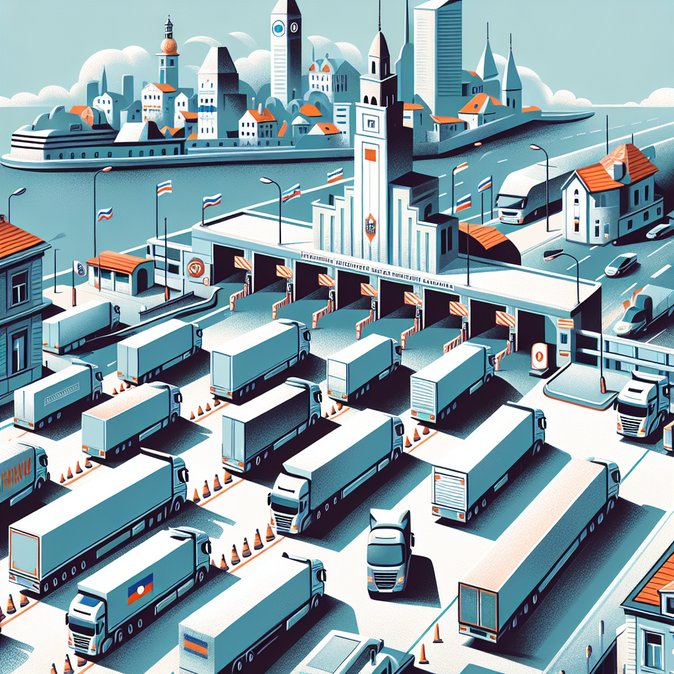
Italian importers in the Veneto and Emilia-Romagna report delays of 24–36 hours for textiles, automotive parts and fresh produce sourced via the Balkan land corridor. The port of Trieste warned of knock-on congestion as rail operators struggled to reposition containers. Freight forwarder Savino Del Bene estimates that a week-long protest could raise spot-rates on the Istanbul–Milan lane by 12 %.
The European Commission said it is "reviewing professional-driver exemptions" but offered no timeline. Unless a fix is found, Italian exporters count on the Balkan driver pool—40 % of international licences issued in Italy last year went to non-EU nationals—could face chronic labour shortages just as e-commerce volumes peak ahead of Easter. Corporate logistics teams should map alternative routings via Slovenia or ferry services from Greece to Brindisi and Ancona, while monitoring for additional slow-roll protests announced for 29 January.