The Federal Ministry for Digital Affairs and Transport has extended and expanded its apron-infrastructure subsidy, pledging multi-year support to install stationary ground-power units (GPUs) and pre-conditioned air (PCA) connections at commercial airports nationwide. Since the programme launched in 2023, €24 million has financed more than 215 GPUs across 21 locations; the new budget envelope adds R&D grants and gives operators longer planning horizons.
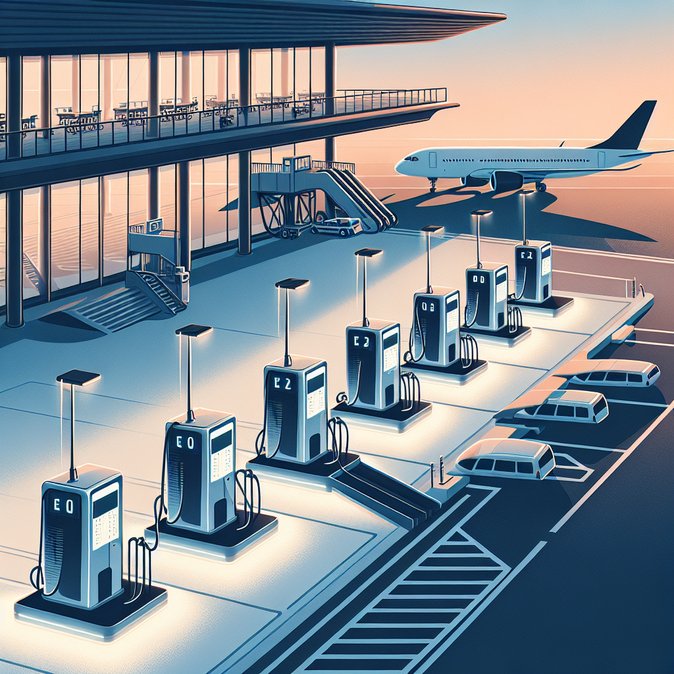
Fixed GPUs and PCA allow aircraft to shut down auxiliary-power units while parked, lowering fuel burn, CO₂ and noise, and improving working conditions for ramp staff. Smaller regional airports—often used by charter flights and corporate shuttles—stand to gain most from the funding, closing a sustainability gap with hubs like Frankfurt and Munich where such equipment is already standard.
![German transport ministry boosts funding for ground power & pre-conditioned air systems at 21 airports]()
For airport operators and airlines bringing in specialised foreign technicians to install or certify the new systems, navigating visa paperwork can be as challenging as the civil works themselves. VisaHQ’s Germany portal (https://www.visahq.com/germany/) streamlines applications for business, contractor and Schengen short-stay visas, offering step-by-step guidance, digital document uploads and real-time status tracking—freeing project teams to focus on turbine inlets rather than consular queues.
Airlines will save on kerosene and maintenance costs, benefits likely to flow into airport charges and, ultimately, ticket prices for domestic connectors. The ministry stressed that decarbonising ground operations is essential if Germany is to meet EU Fit-for-55 targets without curbing growth in business aviation.
Industry association ADV welcomed the cash but warned that civil-works lead-times remain a bottleneck; excavation to route PCA ducts under aprons can take 18 months and must coincide with runway-closure windows.
Fixed GPUs and PCA allow aircraft to shut down auxiliary-power units while parked, lowering fuel burn, CO₂ and noise, and improving working conditions for ramp staff. Smaller regional airports—often used by charter flights and corporate shuttles—stand to gain most from the funding, closing a sustainability gap with hubs like Frankfurt and Munich where such equipment is already standard.

For airport operators and airlines bringing in specialised foreign technicians to install or certify the new systems, navigating visa paperwork can be as challenging as the civil works themselves. VisaHQ’s Germany portal (https://www.visahq.com/germany/) streamlines applications for business, contractor and Schengen short-stay visas, offering step-by-step guidance, digital document uploads and real-time status tracking—freeing project teams to focus on turbine inlets rather than consular queues.
Airlines will save on kerosene and maintenance costs, benefits likely to flow into airport charges and, ultimately, ticket prices for domestic connectors. The ministry stressed that decarbonising ground operations is essential if Germany is to meet EU Fit-for-55 targets without curbing growth in business aviation.
Industry association ADV welcomed the cash but warned that civil-works lead-times remain a bottleneck; excavation to route PCA ducts under aprons can take 18 months and must coincide with runway-closure windows.