Prefects in Nord and Pas-de-Calais have issued an exceptional order banning members of the UK ultra-right group Raise the Colours from entering or assembling anywhere along the Channel coast from Dunkirk to Boulogne until 26 January. The measure, published at 12:30 on 24 January, follows intelligence that the activists planned vigilante “boat-watch” patrols aimed at intercepting asylum seekers.
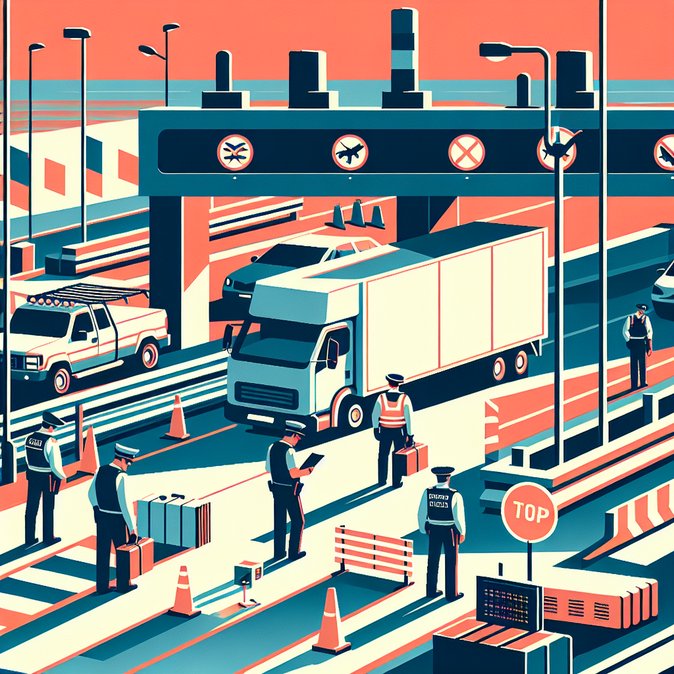
Legal basis. The order relies on Article L212-1 of France’s Internal Security Code, allowing temporary prohibition of foreign nationals whose presence poses a serious threat to public order. Police prefectures will check identities at ferry ports, Eurotunnel terminals and A16 motorway rest areas; violators face immediate deportation and a one-year Schengen entry ban.
Implications for mobility. Cross-Channel passenger and freight flows are expected to continue but with stepped-up random checks, adding dwell time for coaches and corporate shuttle vans. Companies moving seasonal staff or high-value cargo through Calais should brief drivers to carry full ID and allow extra clearance time. Human-rights NGOs welcomed the ban, saying previous confrontations had disrupted aid deliveries in the Grande-Synthe camps.
![France Bars British Far-Right ‘Operation Overlord’ Protest in Calais Corridor]()
For travellers and corporate mobility managers who want to avoid snags at the border during this period of intensified scrutiny, VisaHQ can facilitate the rapid issuance or renewal of Schengen visas and provide real-time guidance on French entry requirements; more details are available at https://www.visahq.com/france/
Broader context. The clamp-down comes as small-boat crossings hit 931 so far this year. Paris and London are negotiating a new returns protocol that could see faster transfer of intercepted migrants back to France—talks likely to inflame activist rhetoric on both sides of the Channel.
Next moves. Interior-minister Bruno Retailleau indicated similar bans may be used against continental extremist networks seeking to exploit migration flash-points ahead of France’s 2026 regional elections.
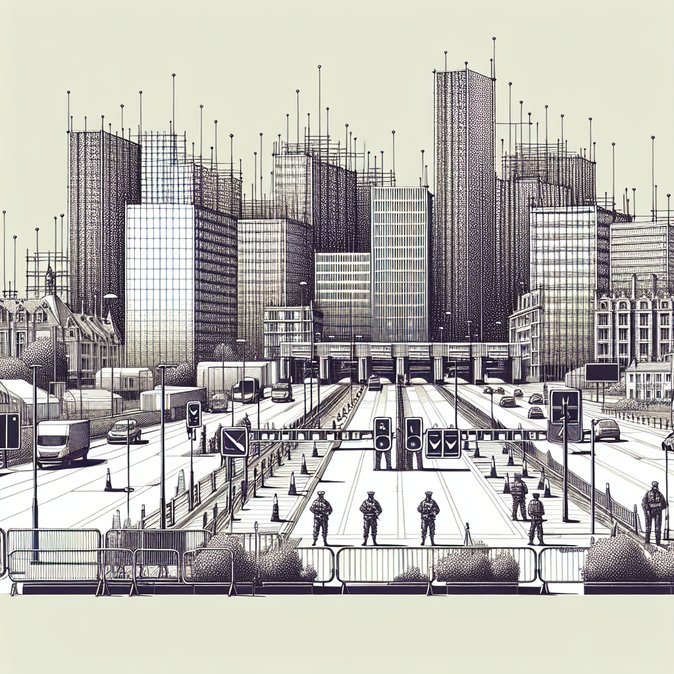
Legal basis. The order relies on Article L212-1 of France’s Internal Security Code, allowing temporary prohibition of foreign nationals whose presence poses a serious threat to public order. Police prefectures will check identities at ferry ports, Eurotunnel terminals and A16 motorway rest areas; violators face immediate deportation and a one-year Schengen entry ban.
Implications for mobility. Cross-Channel passenger and freight flows are expected to continue but with stepped-up random checks, adding dwell time for coaches and corporate shuttle vans. Companies moving seasonal staff or high-value cargo through Calais should brief drivers to carry full ID and allow extra clearance time. Human-rights NGOs welcomed the ban, saying previous confrontations had disrupted aid deliveries in the Grande-Synthe camps.
For travellers and corporate mobility managers who want to avoid snags at the border during this period of intensified scrutiny, VisaHQ can facilitate the rapid issuance or renewal of Schengen visas and provide real-time guidance on French entry requirements; more details are available at https://www.visahq.com/france/
Broader context. The clamp-down comes as small-boat crossings hit 931 so far this year. Paris and London are negotiating a new returns protocol that could see faster transfer of intercepted migrants back to France—talks likely to inflame activist rhetoric on both sides of the Channel.
Next moves. Interior-minister Bruno Retailleau indicated similar bans may be used against continental extremist networks seeking to exploit migration flash-points ahead of France’s 2026 regional elections.