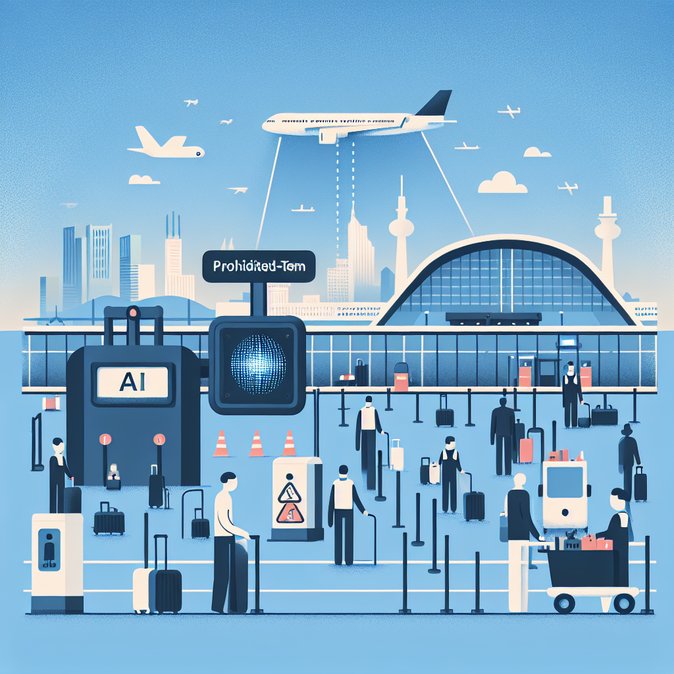
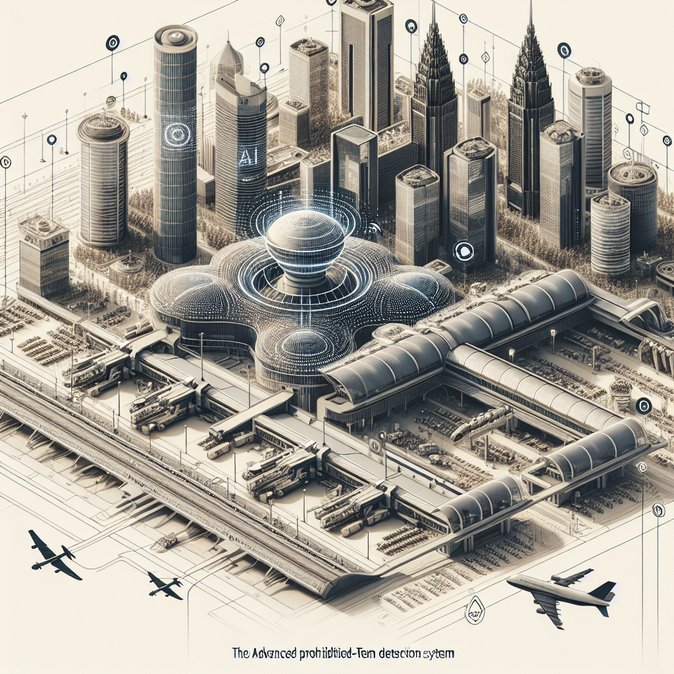
Frankfurt Airport – the biggest gateway for business travellers to Germany – quietly flipped the switch this weekend on APIDS, an artificial-intelligence platform that scans CT X-ray images for guns, knives, explosives and other contraband. Developed with Smiths Detection and certified by the Federal Police after an EU-funded trial, the software now supports more than 50 CT scanners in Terminals 1 and 2.
APIDS highlights suspicious shapes in real time, allowing screeners to clear compliant bags in seconds and focus their attention on threats. Fraport executives say early metrics show a double-digit increase in lane throughput at peak morning banks – a welcome boost as German airports struggle with staffing shortages and looming summer travel demand. Business-class lanes and FRA’s dedicated fast-track for EU Blue-Card holders are already reporting noticeably shorter queues.
While the new screening technology streamlines transit, international travellers still need to ensure their documentation is in order before they reach the airport. VisaHQ’s online platform (https://www.visahq.com/germany/) simplifies German visa applications for business and leisure visitors alike, offering step-by-step guidance, real-time status tracking and dedicated customer support. By sorting out entry requirements well in advance, passengers can fully benefit from Frankfurt’s faster lanes and keep tight itineraries on track.
![Frankfurt Airport Deploys AI Security Software Across All Terminals]()
For corporate mobility teams the change is more than a tech curiosity. Faster checkpoint processing means tighter connection windows become viable again, reducing the need for costly overnight stops in Frankfurt. Multinationals that hub project teams through FRA can expect better on-time performance and fewer missed onward flights to secondary German cities such as Leipzig or Bremen.
Security policy remains unchanged: officers still make the final decision and can order a hand-search at any time. Travellers carrying electronic prototypes or tools should continue to request a manual inspection to avoid accidental confiscation.
Fraport has published an English-language FAQ and encourages frequent flyers to enrol in the EasyPASS automated-border programme to pair seamless immigration with the new AI lanes.
APIDS highlights suspicious shapes in real time, allowing screeners to clear compliant bags in seconds and focus their attention on threats. Fraport executives say early metrics show a double-digit increase in lane throughput at peak morning banks – a welcome boost as German airports struggle with staffing shortages and looming summer travel demand. Business-class lanes and FRA’s dedicated fast-track for EU Blue-Card holders are already reporting noticeably shorter queues.
While the new screening technology streamlines transit, international travellers still need to ensure their documentation is in order before they reach the airport. VisaHQ’s online platform (https://www.visahq.com/germany/) simplifies German visa applications for business and leisure visitors alike, offering step-by-step guidance, real-time status tracking and dedicated customer support. By sorting out entry requirements well in advance, passengers can fully benefit from Frankfurt’s faster lanes and keep tight itineraries on track.
For corporate mobility teams the change is more than a tech curiosity. Faster checkpoint processing means tighter connection windows become viable again, reducing the need for costly overnight stops in Frankfurt. Multinationals that hub project teams through FRA can expect better on-time performance and fewer missed onward flights to secondary German cities such as Leipzig or Bremen.
Security policy remains unchanged: officers still make the final decision and can order a hand-search at any time. Travellers carrying electronic prototypes or tools should continue to request a manual inspection to avoid accidental confiscation.
Fraport has published an English-language FAQ and encourages frequent flyers to enrol in the EasyPASS automated-border programme to pair seamless immigration with the new AI lanes.