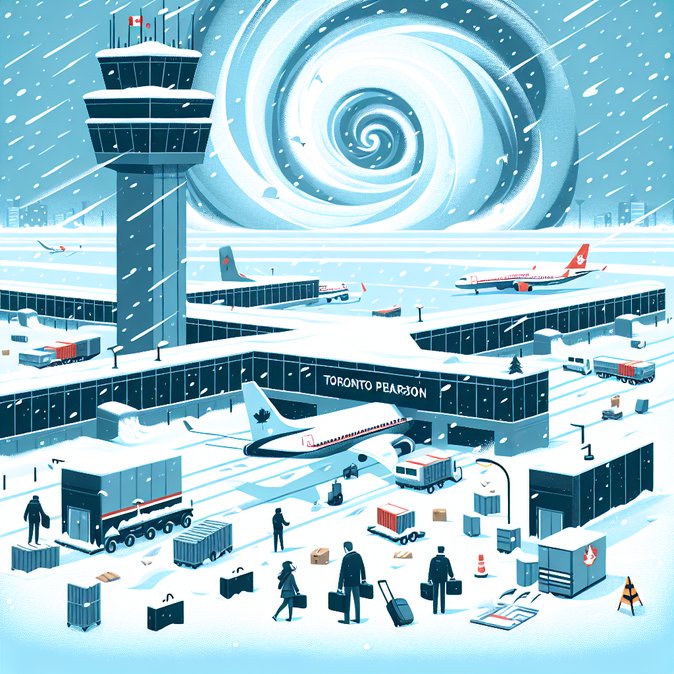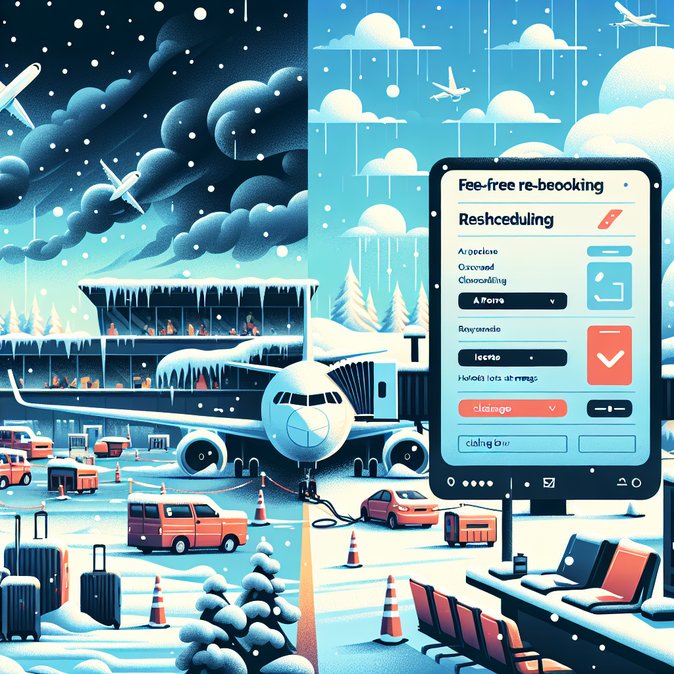
Ahead of a forecasted blizzard set to dump up to 40 cm of snow on southern Ontario and Québec, Air Canada Vacations published an unprecedented Winter Storm Warning on 24 January, allowing passengers to re-book flights without fees. The advisory applies to all itineraries touching Toronto Pearson, Montréal-Trudeau and Ottawa airports through 27 January. Customers receive real-time notifications via the Air Canada app, and the airline is working with hotel partners to secure discounted rooms for overnight lay-overs.(vacations.aircanada.com)
The waiver, which mirrors U.S. “weather event” policies, reflects the growing complexity of managing business travel as climate volatility increases. Corporate travel managers can change flight dates or reroute staff at no cost, avoiding budget shocks and reducing duty-of-care exposure. Travellers must, however, submit claims for incidental expenses through personal or corporate insurance, a reminder to verify policy coverage before departure.
For travellers whose adjusted itineraries now collide with visa validity windows or tight immigration appointments, VisaHQ can step in with rapid, online document processing and expert guidance. Its platform (https://www.visahq.com/canada/) lets users track Canadian and other visa applications in real time, ensuring paperwork keeps pace with weather-driven flight changes and minimising further disruption.
![Air Canada Issues Winter-Storm Travel Waiver, Offers Free Re-booking for Affected Passengers]()
Air Canada’s notice emphasises self-service options: passengers can alter bookings directly in the app, reducing call-centre overload. Mobility specialists say the shift toward digital self-re-accommodation aligns with post-pandemic expectations for agile, traveller-centric disruption management. The airline’s flexible stance also dovetails with Transport Canada’s 2025 Air Passenger Protection amendments, which require carriers to offer re-booking or refunds when weather significantly alters schedules.
Employers with assignees arriving to activate work permits or apply for Social Insurance Numbers should anticipate processing delays if arrival dates slip. Immigration lawyers advise carrying proof of appointment confirmations and, where possible, rescheduling biometrics or landing interviews in advance. For time-sensitive cargo shipments accompanying transferring employees—such as specialised equipment—the waiver does not cover freight, so logistics teams may need contingency carriers.
While Air Canada expects operations to normalise once plows clear runways and temperatures rise, analysts note that waiver frequency has doubled since 2023. Organisations are therefore embedding automated alert feeds into travel-booking tools to trigger instant policy exceptions and SMS updates to travelling staff.
The waiver, which mirrors U.S. “weather event” policies, reflects the growing complexity of managing business travel as climate volatility increases. Corporate travel managers can change flight dates or reroute staff at no cost, avoiding budget shocks and reducing duty-of-care exposure. Travellers must, however, submit claims for incidental expenses through personal or corporate insurance, a reminder to verify policy coverage before departure.
For travellers whose adjusted itineraries now collide with visa validity windows or tight immigration appointments, VisaHQ can step in with rapid, online document processing and expert guidance. Its platform (https://www.visahq.com/canada/) lets users track Canadian and other visa applications in real time, ensuring paperwork keeps pace with weather-driven flight changes and minimising further disruption.

Air Canada’s notice emphasises self-service options: passengers can alter bookings directly in the app, reducing call-centre overload. Mobility specialists say the shift toward digital self-re-accommodation aligns with post-pandemic expectations for agile, traveller-centric disruption management. The airline’s flexible stance also dovetails with Transport Canada’s 2025 Air Passenger Protection amendments, which require carriers to offer re-booking or refunds when weather significantly alters schedules.
Employers with assignees arriving to activate work permits or apply for Social Insurance Numbers should anticipate processing delays if arrival dates slip. Immigration lawyers advise carrying proof of appointment confirmations and, where possible, rescheduling biometrics or landing interviews in advance. For time-sensitive cargo shipments accompanying transferring employees—such as specialised equipment—the waiver does not cover freight, so logistics teams may need contingency carriers.
While Air Canada expects operations to normalise once plows clear runways and temperatures rise, analysts note that waiver frequency has doubled since 2023. Organisations are therefore embedding automated alert feeds into travel-booking tools to trigger instant policy exceptions and SMS updates to travelling staff.