Atlanta’s Hartsfield-Jackson hit by 3,000-plus flight disruptions amid weather and checkpoint closure
First Nigerian state visit in 37 years opens talks on UK–Nigeria mobility corridor
IRCC’s March 18 Express Entry French-Proficiency draw invites 4,000 at record-low CRS 393
Latest News

Australia activates Section 84B ‘arrival-pause’ power, making visa grants conditional on real-time border controls
Home Affairs has, for the first time, switched on the Section 84B Arrival Control Determination, giving the minister legal authority to pause entry for entire visa cohorts after visas are issued. Airlines must verify a new ‘arrival OK’ flag before boarding, and employers are urged to build contingency into travel plans. The measure aims to give Canberra rapid-response border flexibility but raises business-planning and transparency concerns.

ImmiAccount rolls out real-time queue tracker and fixed decision timeframes for key visa classes
ImmiAccount’s long-promised live progress tracker went live on 18 March, giving applicants and employers a visible queue position and published target processing times (10 weeks for TSS 482, eight weeks for student visas, six months for ENS PR). The upgrade should improve planning for recruitment, enrolments and assignments, though migration agents stress the figures are aspirational.

Strike Grounds All Flights at Berlin Brandenburg Airport, Disrupting 57,000 Travellers
A one-day ver.di strike shut down Berlin Brandenburg Airport on 18 March 2026, cancelling 445 flights and stranding about 57 000 passengers. The union wants a 6 % pay rise and at least €250 more per month for 2 000 staff; talks resume 25 March. The stoppage underscores growing labour unrest across Germany’s transport sector and poses fresh headaches for business travel planning.

Starmer signals softer stance on ‘earned settlement’ immigration overhaul
Facing backlash from Labour MPs and business lobbies, Prime-minister Keir Starmer has ordered officials to look at ‘softening’ controversial plans to double the residence requirement for Indefinite Leave to Remain and raise skilled-worker thresholds. Transitional protections and sector-specific exemptions are under review, with a revised statement promised before Easter. Employers should brace for further flux but may gain breathing-space to file applications under existing rules.
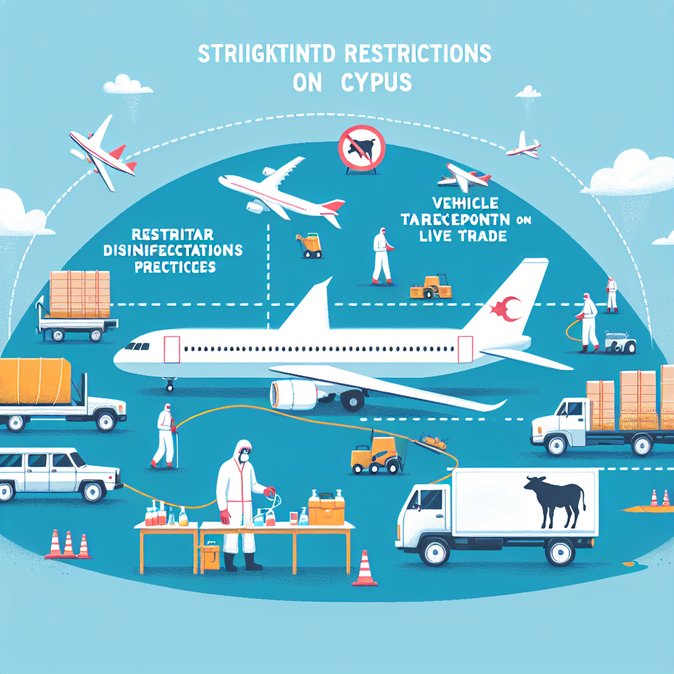
Foot-and-Mouth response stabilises but livestock movement controls remain around Cypriot transport hubs
Veterinary authorities say Cyprus’ FMD outbreak is no longer expanding, yet stringent movement permits, vehicle disinfection and export-traceability checks remain in force around the island’s ports and airports. Freight forwarders and agri-exporters face longer clearance times, while live-animal trade and agri-tourism will stay constrained until at least late April.

Cyprus fire chief warns of evacuation planning gaps that could hamper mass movement in emergencies
Cyprus’ top fire official told MPs that serious shortcomings in evacuation planning, night-time fire cover and enforcement of safety rules remain unresolved. Without rapid improvements, the island could struggle to move residents, tourists and expatriate workers during wild-fires or security incidents—an issue of growing concern for multinationals basing staff in Cyprus.

U.S. expands $5,000–$15,000 visa bond program to 12 additional countries
Starting April 2, the United States will require business and tourist visa applicants from 12 more countries to post refundable bonds of up to US $15,000. Washington says the pilot sharply reduces overstays, but employers warn of higher mobility costs, cash-flow headaches and uncertain consular discretion.

Indian carriers resume Dubai and West Asia operations as Dubai re-opens to scheduled traffic
Dubai has lifted its 72-hour suspension on Indian flights, allowing Air India, Air India Express and IndiGo to restart West Asia services from 18-19 March 2026. The move restores a critical business-travel and cargo corridor, averting higher freight costs and giving thousands of stranded passengers a way home.

Home Office proposes 8 % passport-fee hike, pushing online adult applications above £100
A consultation published on 18 March proposes lifting the standard online adult UK-passport fee from £94.50 to £102, with similar rises for children and premium services. The Home Office says the hike will help fund digital upgrades, but travel managers warn it will inflate mobility budgets and deter SME travel. New prices could take effect as early as June.