In a bulletin published at 14:00 on 25 January, SNCB International detailed its contingency plan for cross-border trains during the 26–30 January industrial action. The operator confirms that most Eurostar services will run but warns of possible knock-on delays in London and Paris due to disrupted Belgian feeder trains. ICE and EuroCity services to Germany and the Netherlands face more severe cuts—only 12 of 16 Brussels–Rotterdam trains and eight of 16 Brussels–Amsterdam trains will operate on the first three strike days.
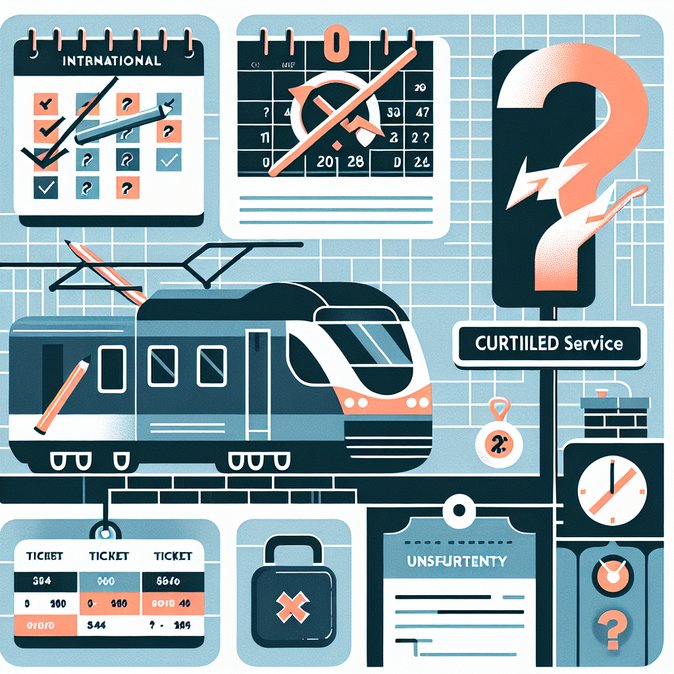
Crucially for corporate travel managers, SNCB is waiving the usual “train-specific” restriction on Saver tickets: during the strike, tickets are valid from one day before to one day after the printed date, and full refunds are available for unused journeys. Travellers may also use local trains via Roosendaal at no extra cost if their EuroCity service is cancelled.
![SNCB International issues alternative timetable and flexible-ticket policy for strike week]()
For travellers who suddenly need to adjust entry dates on their Belgian or broader Schengen visas because of the strike-induced schedule changes, VisaHQ can help smooth the process. Its online portal (https://www.visahq.com/belgium/) enables rapid applications, real-time tracking for corporate travel managers and clear guidance on whether a fresh endorsement is even required in light of shifting itineraries.
The company urges passengers transiting Brussels to leave a generous connection buffer and to verify domestic connections after the international leg, as minimum-service schedules within Belgium will be finalised only 24 hours in advance. Eurostar has already encouraged clients with tight schedules to rebook onto earlier trains, and several international corporates are moving meetings online as a precaution.
Mobility teams should update traveller-tracking systems to reflect possible last-minute itinerary changes and remind employees that Belgian rail compensation rules differ from EU-wide air passenger-rights regimes: eligibility depends on actual delay at arrival, not on cancellation notification. (b-europe.com)
Crucially for corporate travel managers, SNCB is waiving the usual “train-specific” restriction on Saver tickets: during the strike, tickets are valid from one day before to one day after the printed date, and full refunds are available for unused journeys. Travellers may also use local trains via Roosendaal at no extra cost if their EuroCity service is cancelled.

For travellers who suddenly need to adjust entry dates on their Belgian or broader Schengen visas because of the strike-induced schedule changes, VisaHQ can help smooth the process. Its online portal (https://www.visahq.com/belgium/) enables rapid applications, real-time tracking for corporate travel managers and clear guidance on whether a fresh endorsement is even required in light of shifting itineraries.
The company urges passengers transiting Brussels to leave a generous connection buffer and to verify domestic connections after the international leg, as minimum-service schedules within Belgium will be finalised only 24 hours in advance. Eurostar has already encouraged clients with tight schedules to rebook onto earlier trains, and several international corporates are moving meetings online as a precaution.
Mobility teams should update traveller-tracking systems to reflect possible last-minute itinerary changes and remind employees that Belgian rail compensation rules differ from EU-wide air passenger-rights regimes: eligibility depends on actual delay at arrival, not on cancellation notification. (b-europe.com)