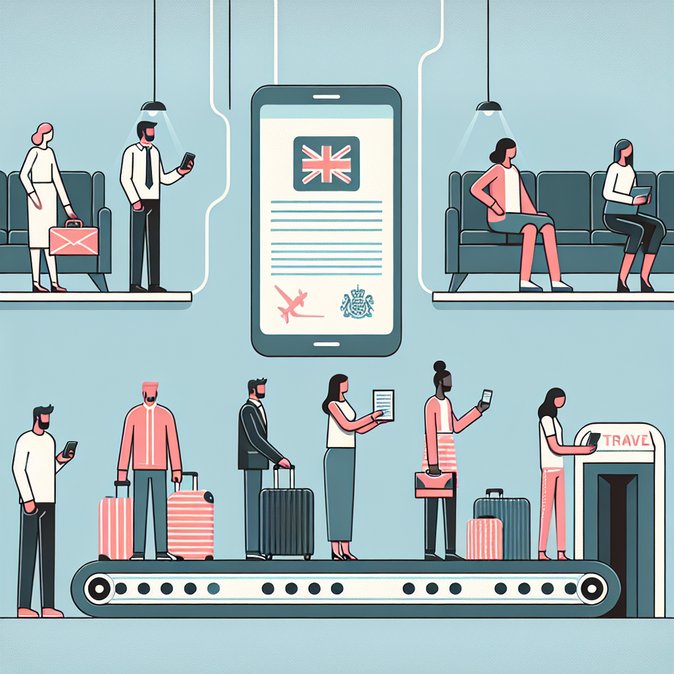
Business travellers flying from London Heathrow will no longer have to shuffle through security with plastic bags of miniature toiletries. On 23 January 2026 the UK’s largest hub became the first major global airport to abolish the 100-millilitre limit on liquids, pastes and gels in cabin baggage after completing a £1 billion upgrade to computed-tomography (CT) scanners across all four terminals. The equipment, which generates high-resolution 3-D images, allows security officers to detect explosives without requiring passengers to remove laptops or liquids from their hand luggage. Travellers can now carry containers of up to two litres.
The 100-ml cap, imposed worldwide in 2006 after British police foiled a liquid-bomb plot, has long been blamed for security bottlenecks; Heathrow estimates that non-compliant liquids caused a quarter of all secondary bag searches last summer. By eliminating the rule, the airport expects to save 16 million single-use plastic bags annually and shave several minutes off average queuing times—an important gain for time-sensitive premium passengers and connecting itineraries. Chief Executive Thomas Woldbye described the change as “the biggest improvement to the passenger experience in two decades.”
Travel coordinators looking for a one-stop compliance tool may find VisaHQ invaluable: its real-time portal for the United Kingdom (https://www.visahq.com/united-kingdom/) aggregates visa, eTA and passport requirements and can send automated alerts about airport security updates such as Heathrow’s new two-litre liquid allowance—helping itinerant staff avoid surprises at either end of their journey.
![Heathrow scraps 100-ml liquids rule after £1 billion CT-scanner rollout]()
Not every UK gateway is ready: Birmingham, Bristol, Gatwick and Edinburgh have introduced CT lanes but many airports—including Manchester and Stansted—remain in phased installation, meaning the 100-ml rule still applies on the return leg of many trips. Corporate travel managers are therefore urging employees to verify rules at both ends of their journey and to brief colleagues arriving from jurisdictions that continue to enforce the limit. Airlines have welcomed the improved throughput but caution that early-morning peaks could still see queues as staff and passengers adapt to the new process.
From a policy perspective, the milestone vindicates the Department for Transport’s 2019 mandate that all UK airports deploy CT scanners, although deadlines slipped twice because of the pandemic and supply-chain shortages. Security consultants say the full benefit will only be realised when mutually recognised standards allow larger liquids at foreign airports—something the International Civil Aviation Organization is now studying. In the meantime, Heathrow has published traveller guidance in 11 languages and is training 2,000 frontline staff to handle queries.
For multinationals, the upgrade removes a lingering pain-point for short-haul day trips and accelerates the UK’s broader move toward contactless borders, which also includes electronic travel authorisations and digital visas. Companies with high volumes of fly-in teams—IT integrators, auditors and engineering crews—should update their travel handbooks and encourage employees to keep liquids tightly packed to prevent leaks that could still trigger manual inspection.
The 100-ml cap, imposed worldwide in 2006 after British police foiled a liquid-bomb plot, has long been blamed for security bottlenecks; Heathrow estimates that non-compliant liquids caused a quarter of all secondary bag searches last summer. By eliminating the rule, the airport expects to save 16 million single-use plastic bags annually and shave several minutes off average queuing times—an important gain for time-sensitive premium passengers and connecting itineraries. Chief Executive Thomas Woldbye described the change as “the biggest improvement to the passenger experience in two decades.”
Travel coordinators looking for a one-stop compliance tool may find VisaHQ invaluable: its real-time portal for the United Kingdom (https://www.visahq.com/united-kingdom/) aggregates visa, eTA and passport requirements and can send automated alerts about airport security updates such as Heathrow’s new two-litre liquid allowance—helping itinerant staff avoid surprises at either end of their journey.

Not every UK gateway is ready: Birmingham, Bristol, Gatwick and Edinburgh have introduced CT lanes but many airports—including Manchester and Stansted—remain in phased installation, meaning the 100-ml rule still applies on the return leg of many trips. Corporate travel managers are therefore urging employees to verify rules at both ends of their journey and to brief colleagues arriving from jurisdictions that continue to enforce the limit. Airlines have welcomed the improved throughput but caution that early-morning peaks could still see queues as staff and passengers adapt to the new process.
From a policy perspective, the milestone vindicates the Department for Transport’s 2019 mandate that all UK airports deploy CT scanners, although deadlines slipped twice because of the pandemic and supply-chain shortages. Security consultants say the full benefit will only be realised when mutually recognised standards allow larger liquids at foreign airports—something the International Civil Aviation Organization is now studying. In the meantime, Heathrow has published traveller guidance in 11 languages and is training 2,000 frontline staff to handle queries.
For multinationals, the upgrade removes a lingering pain-point for short-haul day trips and accelerates the UK’s broader move toward contactless borders, which also includes electronic travel authorisations and digital visas. Companies with high volumes of fly-in teams—IT integrators, auditors and engineering crews—should update their travel handbooks and encourage employees to keep liquids tightly packed to prevent leaks that could still trigger manual inspection.