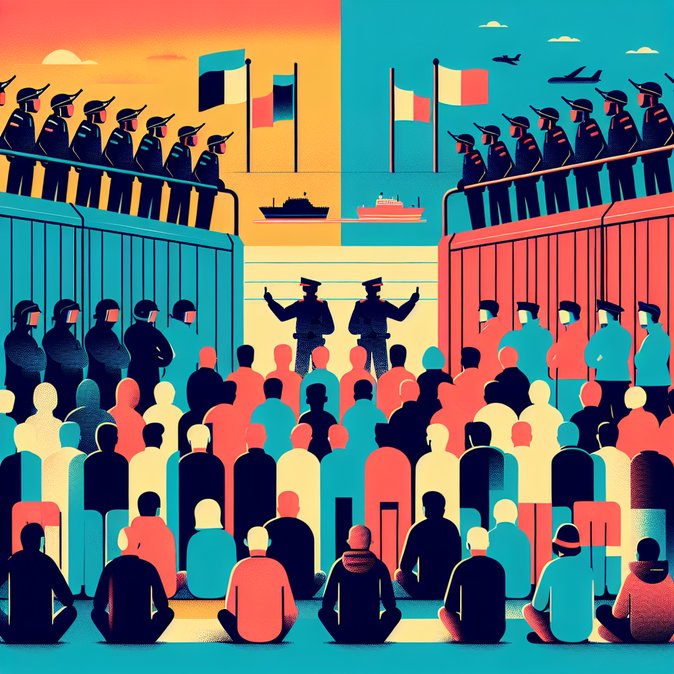
Prefects in Nord and Pas-de-Calais have issued an emergency order preventing British far-right activists from entering or assembling in key Channel port towns from 23 – 26 January 2026. The ban targets participants in “Operation Overlord”, a social-media-driven protest that vowed to “stop the boats” carrying asylum seekers to the UK. Any British national who defies the order faces immediate deportation.
French officials said activists linked to the Raise the Colours movement and Tommy Robinson associate Daniel Thomas had harassed migrants and aid workers in Calais and Dunkirk in recent months, creating a “clear risk of public disorder”. The prohibition covers Calais, Dunkirk, Boulogne-sur-Mer, Lille and the Eurotunnel terminal at Folkestone.
![France bars ‘Operation Overlord’: British far-right activists banned from Calais region]()
British travellers who are uncertain about documentation requirements or the impact of regional bans can consult VisaHQ, which provides up-to-date guidance on entry rules, visa options and passport validity for France and more than 200 other destinations. The UK portal (https://www.visahq.com/united-kingdom/) offers rapid online assessments and courier services that help companies and individuals stay compliant when political events suddenly tighten border controls.
The measure highlights Franco-British sensitivities around small-boat crossings. UK politicians have urged Home Secretary Shabana Mahmood to clamp down on domestic extremist networks, while carrier groups reminded hauliers and coach operators that transporting banned individuals could breach carrier-liability laws. Business-travel security firms have alerted clients with weekend meetings in Lille or Calais to carry passports and expect spot checks on the A16 and at Eurostar terminals.
From a mobility perspective the incident underlines how political activism can quickly translate into cross-border entry restrictions—even for EU visa-exempt UK nationals. Companies running commuter shuttles or maintenance crews through Calais are advised to monitor prefectural notices and factor potential protests into scheduling and insurance.
French officials said activists linked to the Raise the Colours movement and Tommy Robinson associate Daniel Thomas had harassed migrants and aid workers in Calais and Dunkirk in recent months, creating a “clear risk of public disorder”. The prohibition covers Calais, Dunkirk, Boulogne-sur-Mer, Lille and the Eurotunnel terminal at Folkestone.

British travellers who are uncertain about documentation requirements or the impact of regional bans can consult VisaHQ, which provides up-to-date guidance on entry rules, visa options and passport validity for France and more than 200 other destinations. The UK portal (https://www.visahq.com/united-kingdom/) offers rapid online assessments and courier services that help companies and individuals stay compliant when political events suddenly tighten border controls.
The measure highlights Franco-British sensitivities around small-boat crossings. UK politicians have urged Home Secretary Shabana Mahmood to clamp down on domestic extremist networks, while carrier groups reminded hauliers and coach operators that transporting banned individuals could breach carrier-liability laws. Business-travel security firms have alerted clients with weekend meetings in Lille or Calais to carry passports and expect spot checks on the A16 and at Eurostar terminals.
From a mobility perspective the incident underlines how political activism can quickly translate into cross-border entry restrictions—even for EU visa-exempt UK nationals. Companies running commuter shuttles or maintenance crews through Calais are advised to monitor prefectural notices and factor potential protests into scheduling and insurance.