Luxembourg’s national railway company CFL has issued an alert to thousands of daily commuters that Belgian strike action will severely disrupt three cross-border lines next week. Services between Luxembourg City and the Belgian towns of Arlon, Gouvy and Athus are likely to see cancellations, short-turning trains and significant delays from the evening of 25 January through 30 January. (today.rtl.lu)
CFL says it will publish day-by-day replacement timetables but concedes that the Belgian side controls infrastructure and staffing, leaving Luxembourg powerless to guarantee train paths. The Arlon corridor alone carries about 6,500 workers every weekday, many of whom rely on rail to meet Belgian residence-permit attendance rules that penalise excessive telework abroad.
For employers in Luxembourg’s financial and technology sectors, the disruption raises compliance and productivity questions. HR teams are advising border workers to keep proof of cancelled trains, arrange remote-work alternatives where contracts allow, or car-share to maintain in-office ratios required for tax residency purposes.
![Luxembourg Warns Cross-Border Commuters of Belgian Rail Strike Disruptions]()
The warning underlines how industrial action inside Belgium has knock-on effects beyond its borders, a concern for EU free-movement advocates. Luxembourg’s government has requested real-time data from SNCB to help coordinate bus replacements, but no additional capacity has yet been confirmed.
If the strike forces you to reroute through different Schengen countries or stay overnight in Belgium, VisaHQ can quickly clarify whether any extra visa or residence paperwork is necessary. Its dedicated Belgium page (https://www.visahq.com/belgium/) offers up-to-date guidance on entry rules, transit requirements and application procedures, making it a handy resource for both EU and non-EU passport holders caught out by last-minute itinerary changes.
Travellers are urged to monitor the CFL app, plan alternative routes via French stations such as Longwy, and ensure that Schengen-area stay limits are not inadvertently breached if travel extensions force overnight stays.
CFL says it will publish day-by-day replacement timetables but concedes that the Belgian side controls infrastructure and staffing, leaving Luxembourg powerless to guarantee train paths. The Arlon corridor alone carries about 6,500 workers every weekday, many of whom rely on rail to meet Belgian residence-permit attendance rules that penalise excessive telework abroad.
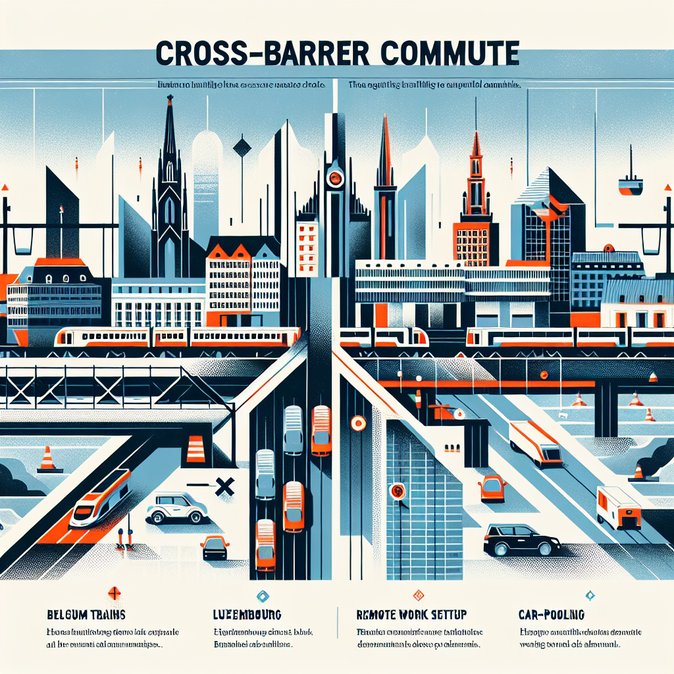
For employers in Luxembourg’s financial and technology sectors, the disruption raises compliance and productivity questions. HR teams are advising border workers to keep proof of cancelled trains, arrange remote-work alternatives where contracts allow, or car-share to maintain in-office ratios required for tax residency purposes.
The warning underlines how industrial action inside Belgium has knock-on effects beyond its borders, a concern for EU free-movement advocates. Luxembourg’s government has requested real-time data from SNCB to help coordinate bus replacements, but no additional capacity has yet been confirmed.
If the strike forces you to reroute through different Schengen countries or stay overnight in Belgium, VisaHQ can quickly clarify whether any extra visa or residence paperwork is necessary. Its dedicated Belgium page (https://www.visahq.com/belgium/) offers up-to-date guidance on entry rules, transit requirements and application procedures, making it a handy resource for both EU and non-EU passport holders caught out by last-minute itinerary changes.
Travellers are urged to monitor the CFL app, plan alternative routes via French stations such as Longwy, and ensure that Schengen-area stay limits are not inadvertently breached if travel extensions force overnight stays.