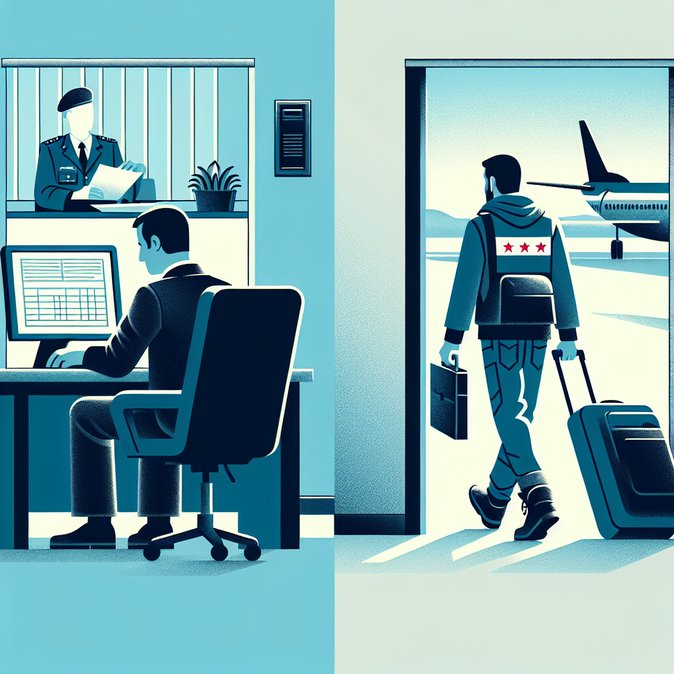
Germany has flown a 29-year-old Syrian national from a Baden-Württemberg prison to Damascus, marking the fourth forcible return to Syria since Berlin lifted its blanket moratorium on Syrian removals in late-2025. Federal Interior Minister Alexander Dobrindt (CSU) confirmed that the man—convicted of multiple narcotics offences—was escorted by Bundespolizei officers on a scheduled commercial flight and handed over to Syrian authorities upon arrival.
The step builds on a December 2025 bilateral understanding with Syria’s transitional government that allows Germany to repatriate individuals deemed serious offenders or security risks. Until then, deportations to Syria had been suspended for almost 15 years because of the civil war and human-rights concerns. The Interior Ministry insists that returns remain strictly limited to criminals and “Gefährder”, but refugee NGOs argue that any cooperation with Damascus legitimises an unstable regime and puts returnees in danger.
For global-mobility managers the restart of Syrian removals is a clear signal that German migration enforcement is tightening. Companies employing Syrian nationals—especially those on tolerance permits (Duldung) or with criminal records—should review compliance and duty-of-care protocols. At the same time, corporate travellers must anticipate enhanced exit screening and possible questioning if Syrian citizenship appears in travel documents.
![Germany carries out fourth post-war deportation to Syria, signalling tougher removal policy]()
Amid this evolving enforcement environment, organisations and individual travellers can leverage VisaHQ’s services to remain compliant. The Germany portal (https://www.visahq.com/germany/) tracks regulatory changes in real time, provides step-by-step visa and residence documentation support, and issues customised alerts that help employers safeguard Syrian and other at-risk nationals against unexpected status issues.
Politically, the move satisfies demands from conservative state governments ahead of regional elections, yet it may strain Germany’s coalition with the Greens and Social Democrats, who favour humanitarian protections. The Interior Ministry says it is negotiating similar ‘narrow-scope’ return agreements with Afghanistan and Iraq. If implemented, these could further reshape the risk landscape for expatriates and assignees from conflict regions.
Businesses should brief mobile employees on the new enforcement climate, ensure residence titles are up to date, and be prepared for reputational scrutiny if staff become subject to removal proceedings.
The step builds on a December 2025 bilateral understanding with Syria’s transitional government that allows Germany to repatriate individuals deemed serious offenders or security risks. Until then, deportations to Syria had been suspended for almost 15 years because of the civil war and human-rights concerns. The Interior Ministry insists that returns remain strictly limited to criminals and “Gefährder”, but refugee NGOs argue that any cooperation with Damascus legitimises an unstable regime and puts returnees in danger.
For global-mobility managers the restart of Syrian removals is a clear signal that German migration enforcement is tightening. Companies employing Syrian nationals—especially those on tolerance permits (Duldung) or with criminal records—should review compliance and duty-of-care protocols. At the same time, corporate travellers must anticipate enhanced exit screening and possible questioning if Syrian citizenship appears in travel documents.

Amid this evolving enforcement environment, organisations and individual travellers can leverage VisaHQ’s services to remain compliant. The Germany portal (https://www.visahq.com/germany/) tracks regulatory changes in real time, provides step-by-step visa and residence documentation support, and issues customised alerts that help employers safeguard Syrian and other at-risk nationals against unexpected status issues.
Politically, the move satisfies demands from conservative state governments ahead of regional elections, yet it may strain Germany’s coalition with the Greens and Social Democrats, who favour humanitarian protections. The Interior Ministry says it is negotiating similar ‘narrow-scope’ return agreements with Afghanistan and Iraq. If implemented, these could further reshape the risk landscape for expatriates and assignees from conflict regions.
Businesses should brief mobile employees on the new enforcement climate, ensure residence titles are up to date, and be prepared for reputational scrutiny if staff become subject to removal proceedings.