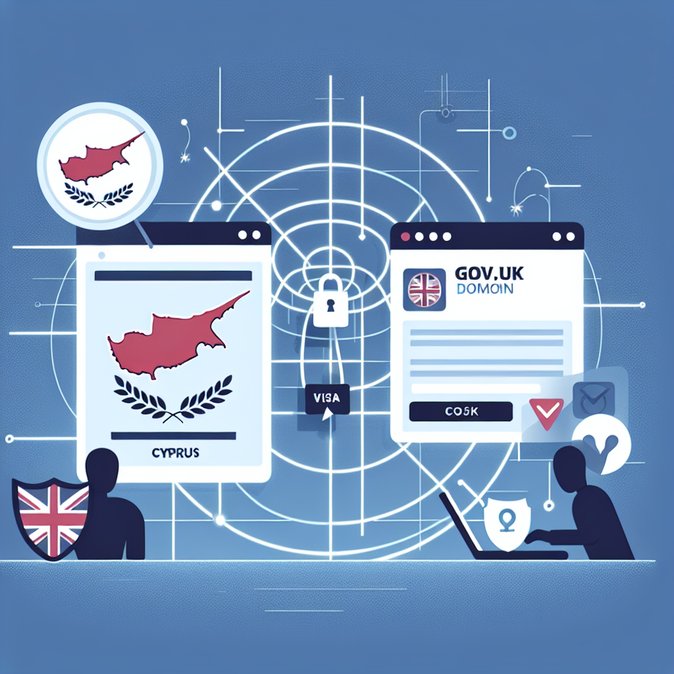
Cyprus’ Cybercrime Unit has issued an urgent alert after multiple residents reported losing money to a fraudulent website that mimics the United Kingdom’s official visa-application portal. According to police, the copy-cat site directed unsuspecting applicants to enter personal and banking information, only for their accounts to be emptied within hours. Victims told investigators that the interface, wording and fee structure were so convincing they only realised something was amiss when confirmation e-mails failed to arrive. (cyprus-mail.com)
The scam comes at the peak of the January travel-planning season, when thousands of Cypriots book spring and summer trips to Britain for business meetings, medical appointments and university visits. Because UK entry clearance for Cypriots is issued electronically, travellers have become accustomed to submitting passport scans and payment details online—making them prime targets for phishing operations. (cyprus-mail.com)
Police advise applicants to start the process only from the gov.uk domain, double-check the site’s security certificate and pay by credit card for charge-back protection. The British High Commission in Nicosia has amplified the warning on social media, adding that the UK Visas & Immigration (UKVI) service never asks users to transfer funds to personal bank accounts or to use cryptocurrency wallets. Travel agents say the incident has already triggered a spike in requests for in-person visa-assistance services, as companies seek to protect staff mobility plans for the first half of 2026.
![Cyprus Police Warn Public About Fake UK Visa Website After Fraud Reports]()
For travellers who would rather avoid the guesswork altogether, VisaHQ’s Cyprus team can manage the entire UK visa application on their behalf—verifying documents, scheduling biometrics and routing payments only through the official government gateway. Details of the service are available at https://www.visahq.com/cyprus/ giving peace of mind to individuals and businesses worried about fake portals.
Cyber-security consultants note that the attack is part of a wider trend of “brand-spoofing” assaults on immigration portals worldwide. With long visa-processing backlogs pushing more travellers online, criminals are exploiting anxiety around appointment availability and processing times. Business-mobility managers are urged to circulate the police guidance to employees immediately and to build verified visa links into corporate travel platforms.
For global-mobility teams the practical takeaway is clear: budget extra lead-time for UK work trips originating in Cyprus, verify every URL and payment gateway, and remind travellers never to upload sensitive data unless two-factor authentication is present.
The scam comes at the peak of the January travel-planning season, when thousands of Cypriots book spring and summer trips to Britain for business meetings, medical appointments and university visits. Because UK entry clearance for Cypriots is issued electronically, travellers have become accustomed to submitting passport scans and payment details online—making them prime targets for phishing operations. (cyprus-mail.com)
Police advise applicants to start the process only from the gov.uk domain, double-check the site’s security certificate and pay by credit card for charge-back protection. The British High Commission in Nicosia has amplified the warning on social media, adding that the UK Visas & Immigration (UKVI) service never asks users to transfer funds to personal bank accounts or to use cryptocurrency wallets. Travel agents say the incident has already triggered a spike in requests for in-person visa-assistance services, as companies seek to protect staff mobility plans for the first half of 2026.

For travellers who would rather avoid the guesswork altogether, VisaHQ’s Cyprus team can manage the entire UK visa application on their behalf—verifying documents, scheduling biometrics and routing payments only through the official government gateway. Details of the service are available at https://www.visahq.com/cyprus/ giving peace of mind to individuals and businesses worried about fake portals.
Cyber-security consultants note that the attack is part of a wider trend of “brand-spoofing” assaults on immigration portals worldwide. With long visa-processing backlogs pushing more travellers online, criminals are exploiting anxiety around appointment availability and processing times. Business-mobility managers are urged to circulate the police guidance to employees immediately and to build verified visa links into corporate travel platforms.
For global-mobility teams the practical takeaway is clear: budget extra lead-time for UK work trips originating in Cyprus, verify every URL and payment gateway, and remind travellers never to upload sensitive data unless two-factor authentication is present.