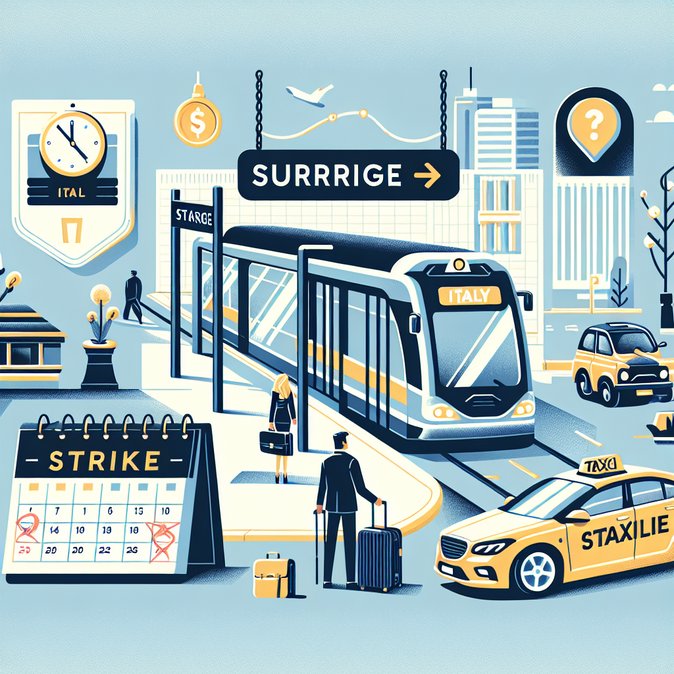
Italy’s winter strike season reached a new crescendo on 16 January, when 10 separate regional and municipal walk-outs converged to shut down buses, trams and some long-distance coaches across the peninsula. Although the stoppage lasted just one day, its ripple-effects were still being tallied when VisaHQ published its incident report on 19 January. In Rome, a four-hour strike from 12:30 to 16:30 left the capital’s core business districts without surface transport, forcing commuters onto already-crowded metro lines. Palermo, Catania and Enna saw a complete 24-hour blackout of urban services; regional carrier Segesta cancelled most inter-city departures, effectively isolating parts of Sicily from the mainland. (visahq.com)
For multinationals with sales teams and technicians shuttling between client sites, the sudden collapse of ground mobility was more than an inconvenience. Several companies triggered travel-disruption clauses to allow overnight hotel stays rather than risk missed curfews or unsafe late-night drives. Ride-hailing platforms responded with surge pricing that pushed Milan-city airport transfers beyond €120, adding unexpected cost pressure to relocation budgets. Airline operations were largely unaffected, yet dozens of business travellers missed onward rail connections and had to re-ticket at last-minute fares. (visahq.com)
When transport networks wobble, paperwork can, too. VisaHQ helps companies and individual travelers avoid a domino effect by expediting Italian visa renewals, work permits and stay-permit amendments that might suddenly become urgent if flights or trains get scrubbed. Through our dedicated portal (https://www.visahq.com/italy/), mobility managers can upload documents, monitor real-time status and arrange courier pick-ups without trekking to consulates—keeping schedules intact even when the buses aren’t.
![Wave of Regional Transport Strikes on 16 January Paralyse Public Transit & Complicate Corporate Travel]()
Unions say the protest was aimed at stalled wage negotiations and government plans to liberalise local-transport franchises. The Transport Ministry has scheduled a mediation session for 22 January; failure could trigger a 24-hour national strike in February—uncomfortably close to the first ‘click-day’ for seasonal work-visa filings and the peak of the fashion-week travel season. Mobility managers therefore face overlapping operational and immigration-compliance risks if disruptions persist. (visahq.com)
Corporate mobility teams are already adapting. Best practice emerging from last week’s chaos includes pre-booking flexible Trenitalia tickets, integrating regional strike calendars into risk dashboards, and issuing “virtual-first” meeting guidance for days when walk-outs are announced. Some firms are piloting private shuttle services for industrial zones in Lombardy and Emilia-Romagna to insulate critical staff movements from Italy’s chronic strike cycle. (visahq.com)
Looking ahead, employers should brief travellers on EU-261 passenger-rights rules, negotiate re-routing clauses into February tickets and prepare alternative routings via Bologna or Turin if Milan Linate is affected by the related ITA Airways labour dispute. The bottom line: strikes remain a structural feature of the Italian mobility landscape, and proactive contingency planning is now a core duty for HR and travel functions alike.
For multinationals with sales teams and technicians shuttling between client sites, the sudden collapse of ground mobility was more than an inconvenience. Several companies triggered travel-disruption clauses to allow overnight hotel stays rather than risk missed curfews or unsafe late-night drives. Ride-hailing platforms responded with surge pricing that pushed Milan-city airport transfers beyond €120, adding unexpected cost pressure to relocation budgets. Airline operations were largely unaffected, yet dozens of business travellers missed onward rail connections and had to re-ticket at last-minute fares. (visahq.com)
When transport networks wobble, paperwork can, too. VisaHQ helps companies and individual travelers avoid a domino effect by expediting Italian visa renewals, work permits and stay-permit amendments that might suddenly become urgent if flights or trains get scrubbed. Through our dedicated portal (https://www.visahq.com/italy/), mobility managers can upload documents, monitor real-time status and arrange courier pick-ups without trekking to consulates—keeping schedules intact even when the buses aren’t.

Unions say the protest was aimed at stalled wage negotiations and government plans to liberalise local-transport franchises. The Transport Ministry has scheduled a mediation session for 22 January; failure could trigger a 24-hour national strike in February—uncomfortably close to the first ‘click-day’ for seasonal work-visa filings and the peak of the fashion-week travel season. Mobility managers therefore face overlapping operational and immigration-compliance risks if disruptions persist. (visahq.com)
Corporate mobility teams are already adapting. Best practice emerging from last week’s chaos includes pre-booking flexible Trenitalia tickets, integrating regional strike calendars into risk dashboards, and issuing “virtual-first” meeting guidance for days when walk-outs are announced. Some firms are piloting private shuttle services for industrial zones in Lombardy and Emilia-Romagna to insulate critical staff movements from Italy’s chronic strike cycle. (visahq.com)
Looking ahead, employers should brief travellers on EU-261 passenger-rights rules, negotiate re-routing clauses into February tickets and prepare alternative routings via Bologna or Turin if Milan Linate is affected by the related ITA Airways labour dispute. The bottom line: strikes remain a structural feature of the Italian mobility landscape, and proactive contingency planning is now a core duty for HR and travel functions alike.