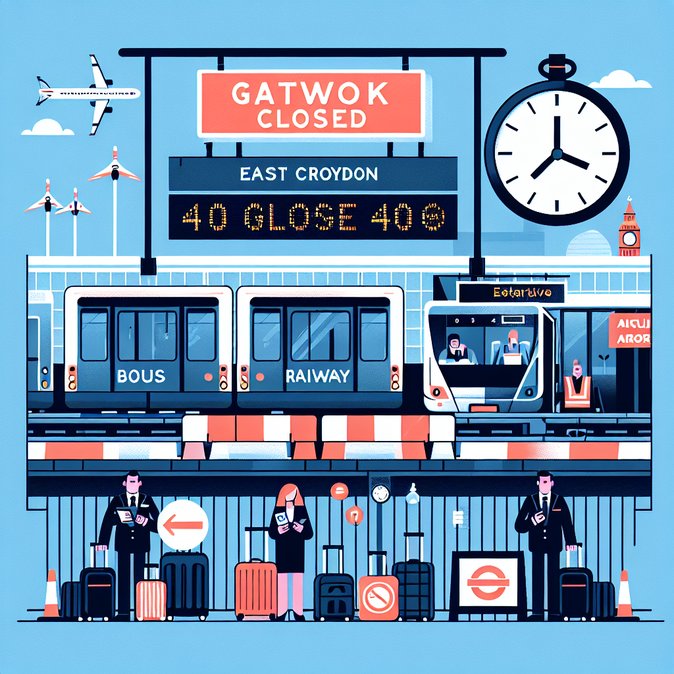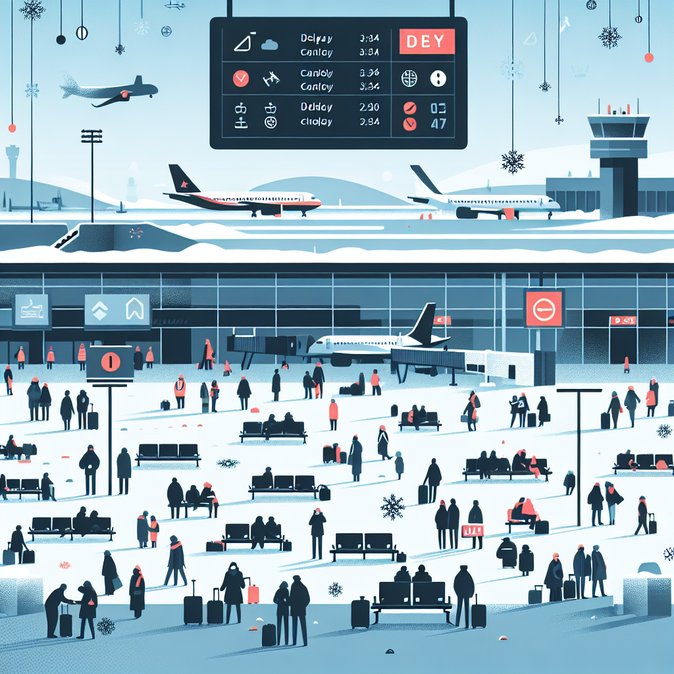
London’s two largest airports endured a fresh wave of operational turbulence on 18 January, as a combination of weather-related slot restrictions and persistent staffing shortages triggered 150 flight delays and cancellations. Data compiled by aviation-analytics firm FlightAware show Heathrow accounted for 109 delays and two cancellations, while Gatwick saw 38 delays and one cancellation.
British Airways bore the brunt, with 38 delayed departures and a cancelled short-haul rotation to Zurich. Virgin Atlantic, Air India and easyJet also reported double-digit setbacks. Smaller carriers were hit proportionally harder: both Vietnam Airlines flights left Heathrow more than two hours late, while Turkmenistan Airlines cancelled its evening Ashgabat service outright.
Business-travel consultants note that January is traditionally a peak month for corporate kick-off meetings and international trade shows, amplifying the commercial fallout. “Managers assume post-holiday schedules are safe, but we are advising clients to build four-hour buffers into same-day itineraries,” said Sarah Cooke, Head of Global Mobility at TravelBright.
![Heathrow and Gatwick Suffer 150 Flight Disruptions in Single Day]()
Should disrupted passengers find themselves rerouted through unfamiliar countries or needing last-minute transit documentation, VisaHQ’s online platform can expedite visa and eTA applications for more than 200 destinations; UK-based travellers can start the process at https://www.visahq.com/united-kingdom/ and receive real-time status updates, avoiding further airport headaches.
The Civil Aviation Authority reiterated that airlines must provide meals, hotel rooms and rebooking assistance under EC-Regulation 261 when delays exceed three hours. However, several passengers posted on social media that they were handed only £10 refreshment vouchers—well below the regulation’s ‘reasonable costs’ standard. Frequent-flyer forums are urging affected travellers to retain receipts for later claims.
Airport operators insist the situation will stabilise once a cohort of newly certified air-traffic controllers joins the roster in March, but union sources warn that an ongoing pay dispute could prompt further short-notice absenteeism. Companies with urgent itineraries are increasingly eyeing rail links to mainland Europe or same-day virtual meetings as contingency options.
British Airways bore the brunt, with 38 delayed departures and a cancelled short-haul rotation to Zurich. Virgin Atlantic, Air India and easyJet also reported double-digit setbacks. Smaller carriers were hit proportionally harder: both Vietnam Airlines flights left Heathrow more than two hours late, while Turkmenistan Airlines cancelled its evening Ashgabat service outright.
Business-travel consultants note that January is traditionally a peak month for corporate kick-off meetings and international trade shows, amplifying the commercial fallout. “Managers assume post-holiday schedules are safe, but we are advising clients to build four-hour buffers into same-day itineraries,” said Sarah Cooke, Head of Global Mobility at TravelBright.

Should disrupted passengers find themselves rerouted through unfamiliar countries or needing last-minute transit documentation, VisaHQ’s online platform can expedite visa and eTA applications for more than 200 destinations; UK-based travellers can start the process at https://www.visahq.com/united-kingdom/ and receive real-time status updates, avoiding further airport headaches.
The Civil Aviation Authority reiterated that airlines must provide meals, hotel rooms and rebooking assistance under EC-Regulation 261 when delays exceed three hours. However, several passengers posted on social media that they were handed only £10 refreshment vouchers—well below the regulation’s ‘reasonable costs’ standard. Frequent-flyer forums are urging affected travellers to retain receipts for later claims.
Airport operators insist the situation will stabilise once a cohort of newly certified air-traffic controllers joins the roster in March, but union sources warn that an ongoing pay dispute could prompt further short-notice absenteeism. Companies with urgent itineraries are increasingly eyeing rail links to mainland Europe or same-day virtual meetings as contingency options.