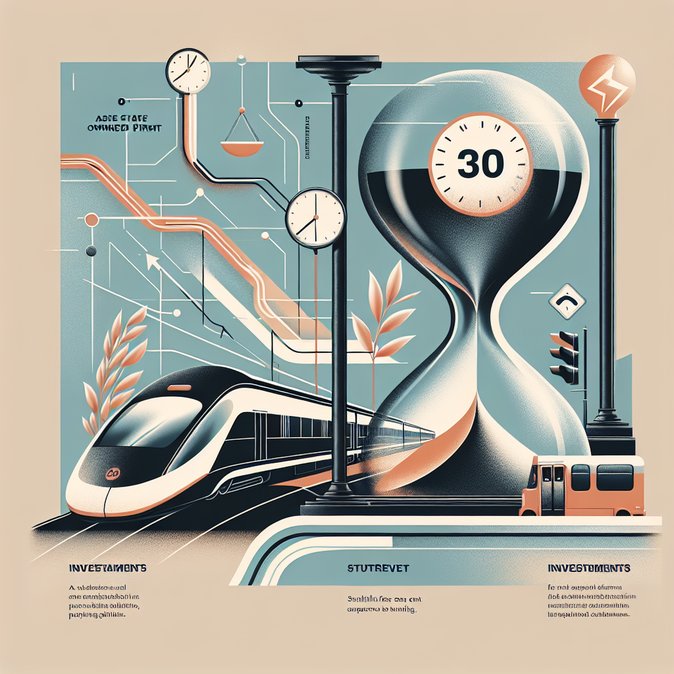
France’s lower-house law committee sent shockwaves through the country’s powerful transport unions on 17 January when it approved a draft law that would limit the number of strike days that publicly owned operators can stage to 30 per calendar year. The text, championed by a centrist-Republican alliance, covers SNCF, RATP, Air France-KLM, Aéroports de Paris and major port authorities. It also obliges management and unions to draw up a rolling “black-out calendar” that shields peak travel periods such as school holidays, exam weeks, global trade fairs and international sporting events from walk-outs. (visahq.com)
Companies planning critical trips to France during these newly protected windows can streamline paperwork too: VisaHQ’s France desk handles everything from standard Schengen visas to long-stay permits and offers fast-track courier delivery, sparing travellers from consular queues. Mobility managers can use the platform’s dashboard to track application status in real time and pull compliance reports—visit https://www.visahq.com/france/ for details on these and other travel-document services.
![French MPs Back 30-Day Annual Cap on Transport Strikes]()
Background figures put the move into perspective. Despite existing eight-day notice rules and minimum-service requirements on rail, the country still clocked 62 strike days at SNCF alone during the Olympic year, costing an estimated €400 million in lost productivity and forcing thousands of business-traveller re-bookings. Lawmakers argue that predictability is now essential for France’s competitiveness as it tries to lure post-Brexit investment and stage the 2026 Winter Youth Olympics. Unions, by contrast, have branded the ceiling a “sharp restriction” on fundamental social rights and have already threatened a referral to the Constitutional Council. (visahq.com)
For global-mobility and travel managers the practical implications are immediate. A fixed strike quota will allow companies to schedule board meetings, project kick-offs and assignee arrivals during “protected” windows with far less contingency planning. The bill also creates a mandatory two-week mediation phase once the 30-day limit is reached, pushing disputes toward arbitration rather than stoppages—welcome news for HR teams who routinely scramble for hotel rooms and taxi vouchers when the Paris metro or air-traffic controllers down tools. (visahq.com)
Corporate France is already running the numbers. Aerospace giant Safran told VisaHQ that it spends close to €2 million a year on disruption-related costs; it expects that figure to fall by half if the law passes. Multinational employers are being advised to map 2026 travel and assignment start-dates against the prospective calendar now and to insert service-level clauses into relocation and travel-management contracts that reflect the new predictability. (visahq.com)
Companies planning critical trips to France during these newly protected windows can streamline paperwork too: VisaHQ’s France desk handles everything from standard Schengen visas to long-stay permits and offers fast-track courier delivery, sparing travellers from consular queues. Mobility managers can use the platform’s dashboard to track application status in real time and pull compliance reports—visit https://www.visahq.com/france/ for details on these and other travel-document services.

Background figures put the move into perspective. Despite existing eight-day notice rules and minimum-service requirements on rail, the country still clocked 62 strike days at SNCF alone during the Olympic year, costing an estimated €400 million in lost productivity and forcing thousands of business-traveller re-bookings. Lawmakers argue that predictability is now essential for France’s competitiveness as it tries to lure post-Brexit investment and stage the 2026 Winter Youth Olympics. Unions, by contrast, have branded the ceiling a “sharp restriction” on fundamental social rights and have already threatened a referral to the Constitutional Council. (visahq.com)
For global-mobility and travel managers the practical implications are immediate. A fixed strike quota will allow companies to schedule board meetings, project kick-offs and assignee arrivals during “protected” windows with far less contingency planning. The bill also creates a mandatory two-week mediation phase once the 30-day limit is reached, pushing disputes toward arbitration rather than stoppages—welcome news for HR teams who routinely scramble for hotel rooms and taxi vouchers when the Paris metro or air-traffic controllers down tools. (visahq.com)
Corporate France is already running the numbers. Aerospace giant Safran told VisaHQ that it spends close to €2 million a year on disruption-related costs; it expects that figure to fall by half if the law passes. Multinational employers are being advised to map 2026 travel and assignment start-dates against the prospective calendar now and to insert service-level clauses into relocation and travel-management contracts that reflect the new predictability. (visahq.com)