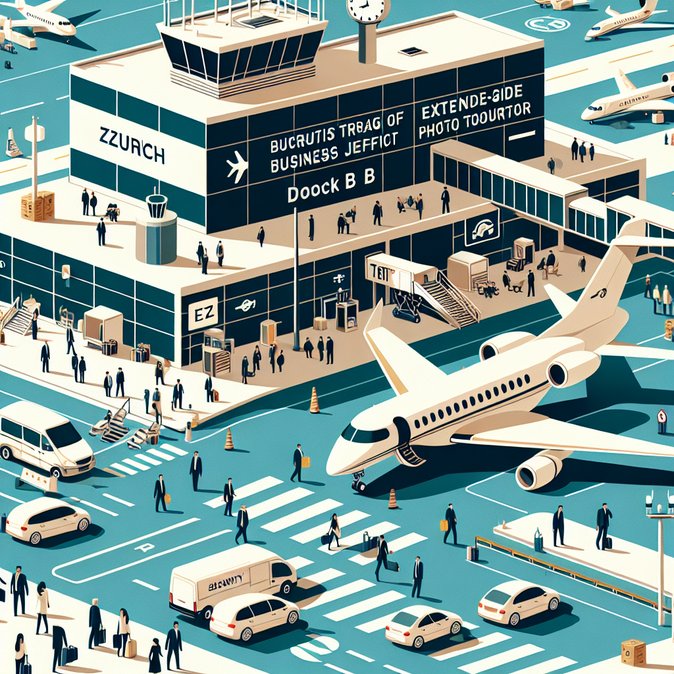
Spotters and aviation enthusiasts are set to benefit from Zurich Airport’s decision to keep its Dock B visitor terrace open from 08:00 to 20:00 each day between 17 and 23 January, coinciding with the arrival of heads of state, CEOs and private-equity moguls for the World Economic Forum in Davos. Announced on 17 January, the initiative comes with special “WEF Photo Tours” that take small groups onto the apron for close-up views of VIP jets.
While the programme is aimed at hobbyists, it underscores the operational challenge facing Flughafen Zürich AG. The airport expects roughly 1 000 additional flight movements during the summit week—about a 12 % increase over a normal January week. To keep commercial schedules intact, the operations centre is coordinating de-icing windows and fuel-truck rotations and has negotiated curfew dispensations for select late-night arrivals.
For corporate travel planners the message is clear: slot constraints will tighten from 18 January and popular morning departures may sell out days earlier than usual. Travel-management companies recommend booking fully flexible tickets and considering alternative routings via Basel or Friedrichshafen for short-notice travel.
![Zurich Airport offers extended terrace hours and air-side photo tours for WEF aircraft influx]()
International delegates or photography fans who still need a Schengen visa can streamline the paperwork through VisaHQ, which provides step-by-step assistance for Switzerland. The platform—https://www.visahq.com/switzerland/—handles document checks, appointment scheduling and real-time status updates, offering peace of mind when itineraries shift during the hectic WEF week.
The extended public-access hours serve a secondary purpose: they disperse on-site spotters who might otherwise gather in non-secure areas, easing the load on airport police at a time of heightened security. Zurich Airport’s visitor services team expects the tours to sell out within hours; companies looking to arrange client hospitality events around the apron walks should act quickly.
Beyond the WEF week, Flughafen Zürich plans to adopt a scaled-down version of the extended hours during summer holiday peaks, reflecting rising demand for “experiential travel” products that showcase airport operations. The experiment therefore doubles as a market test for future revenue streams that could fund passenger-flow improvements.
While the programme is aimed at hobbyists, it underscores the operational challenge facing Flughafen Zürich AG. The airport expects roughly 1 000 additional flight movements during the summit week—about a 12 % increase over a normal January week. To keep commercial schedules intact, the operations centre is coordinating de-icing windows and fuel-truck rotations and has negotiated curfew dispensations for select late-night arrivals.
For corporate travel planners the message is clear: slot constraints will tighten from 18 January and popular morning departures may sell out days earlier than usual. Travel-management companies recommend booking fully flexible tickets and considering alternative routings via Basel or Friedrichshafen for short-notice travel.
International delegates or photography fans who still need a Schengen visa can streamline the paperwork through VisaHQ, which provides step-by-step assistance for Switzerland. The platform—https://www.visahq.com/switzerland/—handles document checks, appointment scheduling and real-time status updates, offering peace of mind when itineraries shift during the hectic WEF week.
The extended public-access hours serve a secondary purpose: they disperse on-site spotters who might otherwise gather in non-secure areas, easing the load on airport police at a time of heightened security. Zurich Airport’s visitor services team expects the tours to sell out within hours; companies looking to arrange client hospitality events around the apron walks should act quickly.
Beyond the WEF week, Flughafen Zürich plans to adopt a scaled-down version of the extended hours during summer holiday peaks, reflecting rising demand for “experiential travel” products that showcase airport operations. The experiment therefore doubles as a market test for future revenue streams that could fund passenger-flow improvements.