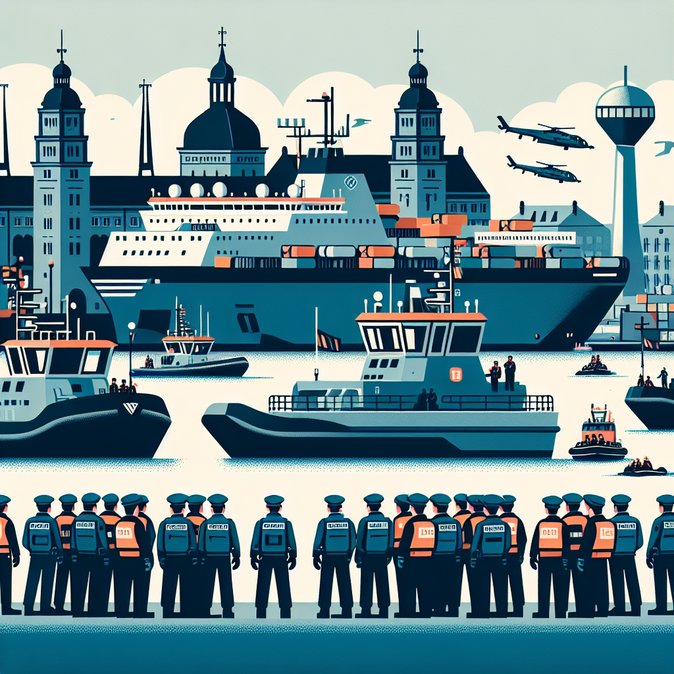
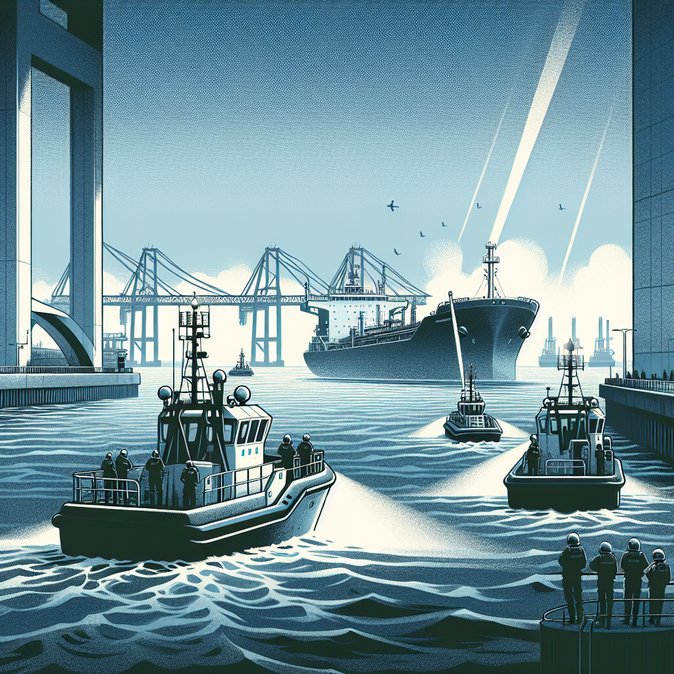
In an unusual extension of Schengen-internal border checks to the high seas, the German Federal Police (Bundespolizei) confirmed on 16 January that extra cutters and boarding teams have been deployed in the Baltic Sea. The move follows intelligence about Russian-linked tankers sailing under false flags or manipulating AIS signals to dodge EU oil-price-cap sanctions. (visahq.com)
While officials declined operational details, maritime-security analysts say patrol vessels are verifying crew identity documents, cargo manifests and insurance papers before allowing entry to German ports. No ships have been seized, but several were instructed to alter course or provide additional documents. The crackdown comes days after media reports that a so-called “zombie” tanker was denied passage for using forged paperwork.
For seafarers or port-bound technicians now facing these heightened checks, VisaHQ can simplify the visa side of the equation. The service provides fast online processing for German crew, transit and work visas, reviews documentation against the latest Bundespolizei requirements and even arranges courier delivery—helping travellers hit tight sailing or maintenance schedules avoid costly delays. Full details are available at https://www.visahq.com/germany/
![German Federal Police step up Baltic Sea patrols to check ‘shadow-fleet’ tankers]()
Supply-chain managers for German refineries and chemical plants have been advised to scrutinise bills of lading; cargoes linked to unverified tankers could face off-loading bans or demurrage. Insurance brokers add that policies seldom cover delays caused by government action, so shippers may bear the cost of inspection hold-ups.
For global mobility the impact is two-fold. First, foreign crew members joining vessels in German ports should expect spot ID checks and must carry full contract documentation plus the correct visas. Second, travelling technicians and surveyors may need extra time to clear port security, potentially affecting maintenance schedules.
The Bundespolizei stressed that regular passenger ferries between Rostock, Travemünde and Nordic capitals remain unaffected, but advised travellers to plan for possible ad-hoc checks. The episode underlines how geopolitical tensions can trigger quasi-border controls even within the EU’s free-movement area—something mobility planners must now factor into Baltic assignments.
While officials declined operational details, maritime-security analysts say patrol vessels are verifying crew identity documents, cargo manifests and insurance papers before allowing entry to German ports. No ships have been seized, but several were instructed to alter course or provide additional documents. The crackdown comes days after media reports that a so-called “zombie” tanker was denied passage for using forged paperwork.
For seafarers or port-bound technicians now facing these heightened checks, VisaHQ can simplify the visa side of the equation. The service provides fast online processing for German crew, transit and work visas, reviews documentation against the latest Bundespolizei requirements and even arranges courier delivery—helping travellers hit tight sailing or maintenance schedules avoid costly delays. Full details are available at https://www.visahq.com/germany/
Supply-chain managers for German refineries and chemical plants have been advised to scrutinise bills of lading; cargoes linked to unverified tankers could face off-loading bans or demurrage. Insurance brokers add that policies seldom cover delays caused by government action, so shippers may bear the cost of inspection hold-ups.
For global mobility the impact is two-fold. First, foreign crew members joining vessels in German ports should expect spot ID checks and must carry full contract documentation plus the correct visas. Second, travelling technicians and surveyors may need extra time to clear port security, potentially affecting maintenance schedules.
The Bundespolizei stressed that regular passenger ferries between Rostock, Travemünde and Nordic capitals remain unaffected, but advised travellers to plan for possible ad-hoc checks. The episode underlines how geopolitical tensions can trigger quasi-border controls even within the EU’s free-movement area—something mobility planners must now factor into Baltic assignments.