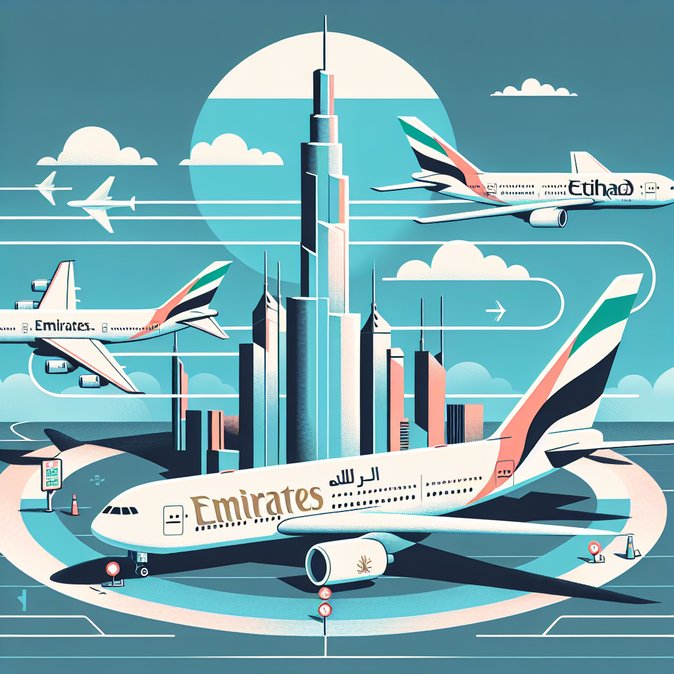
A sudden five-hour Notice to Air Missions (NOTAM) issued at 22:15 GMT on 15 January closed large swathes of Iranian airspace to civilian traffic. Dubai-based flydubai and Abu Dhabi’s Etihad diverted multiple flights, while Emirates added technical fuel stops as far afield as Rome and Athens. Although the restriction was lifted before dawn, many international carriers—including Lufthansa and Air India—said they would avoid Iranian and Iraqi corridors until security stabilises.
The detours add up to 90 minutes of flight time on some Europe-bound sectors, increasing fuel burn and triggering schedule knock-on effects at Dubai International and Abu Dhabi International airports. Aviation-risk consultancy Safe Airspace warned that heightened missile and drone activity “poses a high mis-identification risk to civil traffic,” citing the 2020 downing of Ukraine International Airlines Flight PS752.
![Iranian airspace closure forces UAE carriers to reroute, raising duty-of-care stakes]()
For travellers and corporate mobility teams needing urgent transit permissions, VisaHQ’s UAE portal (https://www.visahq.com/united-arab-emirates/) can fast-track the application process, offering real-time status updates and support for both individual and bulk visa requests. The platform’s automated reminders and 24/7 assistance help ensure that last-minute diversion stops in Dubai or Abu Dhabi don’t turn into costly ground delays.
For corporate mobility teams, the episode underscores the need for dynamic travel-risk monitoring. Employees unexpectedly routed through the UAE for technical stops may require transit or full entry visas at short notice. Travel managers should verify that emergency visa-issuance channels are up to date and that insurance policies cover extended duty time caused by diversions.
The UAE General Civil Aviation Authority said it is “monitoring developments closely” and may issue further guidance. Multinationals with crew rotations or project cargo transiting the Gulf should review contingency plans immediately.
The detours add up to 90 minutes of flight time on some Europe-bound sectors, increasing fuel burn and triggering schedule knock-on effects at Dubai International and Abu Dhabi International airports. Aviation-risk consultancy Safe Airspace warned that heightened missile and drone activity “poses a high mis-identification risk to civil traffic,” citing the 2020 downing of Ukraine International Airlines Flight PS752.

For travellers and corporate mobility teams needing urgent transit permissions, VisaHQ’s UAE portal (https://www.visahq.com/united-arab-emirates/) can fast-track the application process, offering real-time status updates and support for both individual and bulk visa requests. The platform’s automated reminders and 24/7 assistance help ensure that last-minute diversion stops in Dubai or Abu Dhabi don’t turn into costly ground delays.
For corporate mobility teams, the episode underscores the need for dynamic travel-risk monitoring. Employees unexpectedly routed through the UAE for technical stops may require transit or full entry visas at short notice. Travel managers should verify that emergency visa-issuance channels are up to date and that insurance policies cover extended duty time caused by diversions.
The UAE General Civil Aviation Authority said it is “monitoring developments closely” and may issue further guidance. Multinationals with crew rotations or project cargo transiting the Gulf should review contingency plans immediately.