Effective 13 January 2026, the Polish Interior Ministry has suspended operations at ten land-border points—two with Russia’s Kaliningrad enclave (Gronowo, Gołdap) and eight with Belarus, including the busy Kuźnica and Bobrowniki crossings. Only humanitarian convoys are exempt, and the order will be reviewed every 30 days.
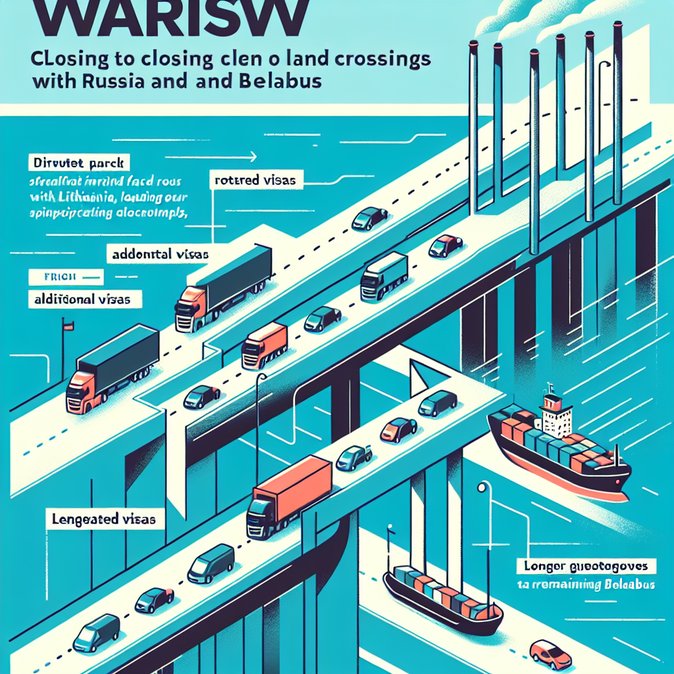
Authorities cite ‘hybrid threats and irregular migration’ for the shutdown, noting that several of the posts had already been operating on reduced hours because of security concerns. The blanket suspension forces logistics operators to detour via Lithuania or the Gdańsk–Karlskrona ferry line, adding up to 300 km on some supply chains. Kukuryki–Kozłowiczi, the sole remaining Belarus gateway, is now working at 150 percent of capacity, generating multi-hour queues and raising freight rates by an estimated 12 percent.
For corporate mobility teams, the change is less about tourists than about posted workers and project cargo. Construction and energy contractors with personnel or equipment in Kaliningrad or Minsk must now transit through alternative Schengen-external points—often triggering extra visa requirements and insurance checks. Employers should re-validate A1 certificates, check that drivers hold multi-entry Schengen visas, and confirm new itineraries with travel-risk vendors.
![Poland closes ten road and rail crossings with Russia and Belarus, rerouting freight]()
At this juncture, many HR and logistics managers are turning to third-party visa specialists for rapid support. VisaHQ’s Poland portal (https://www.visahq.com/poland/) lets companies and individual drivers arrange multi-entry Schengen visas, transit permits and supplemental travel insurance online, with real-time status tracking and dedicated account managers—an efficient back-up when border rules evolve overnight.
Industry associations are lobbying for ‘green lanes’ to keep critical spare-parts shipments moving, while customs brokers warn that the sudden surge through Kukuryki could overwhelm veterinary and phytosanitary inspectors. Advisers recommend pre-booking inspection windows, carrying updated CMR documents and budgeting for demurrage.
Although business-traveller impact is limited—most assignees use air routes—organisations should update crisis-management plans. The closures demonstrate Poland’s willingness to tighten its eastern borders quickly and could foreshadow further restrictions if regional tensions escalate.
Authorities cite ‘hybrid threats and irregular migration’ for the shutdown, noting that several of the posts had already been operating on reduced hours because of security concerns. The blanket suspension forces logistics operators to detour via Lithuania or the Gdańsk–Karlskrona ferry line, adding up to 300 km on some supply chains. Kukuryki–Kozłowiczi, the sole remaining Belarus gateway, is now working at 150 percent of capacity, generating multi-hour queues and raising freight rates by an estimated 12 percent.
For corporate mobility teams, the change is less about tourists than about posted workers and project cargo. Construction and energy contractors with personnel or equipment in Kaliningrad or Minsk must now transit through alternative Schengen-external points—often triggering extra visa requirements and insurance checks. Employers should re-validate A1 certificates, check that drivers hold multi-entry Schengen visas, and confirm new itineraries with travel-risk vendors.

At this juncture, many HR and logistics managers are turning to third-party visa specialists for rapid support. VisaHQ’s Poland portal (https://www.visahq.com/poland/) lets companies and individual drivers arrange multi-entry Schengen visas, transit permits and supplemental travel insurance online, with real-time status tracking and dedicated account managers—an efficient back-up when border rules evolve overnight.
Industry associations are lobbying for ‘green lanes’ to keep critical spare-parts shipments moving, while customs brokers warn that the sudden surge through Kukuryki could overwhelm veterinary and phytosanitary inspectors. Advisers recommend pre-booking inspection windows, carrying updated CMR documents and budgeting for demurrage.
Although business-traveller impact is limited—most assignees use air routes—organisations should update crisis-management plans. The closures demonstrate Poland’s willingness to tighten its eastern borders quickly and could foreshadow further restrictions if regional tensions escalate.