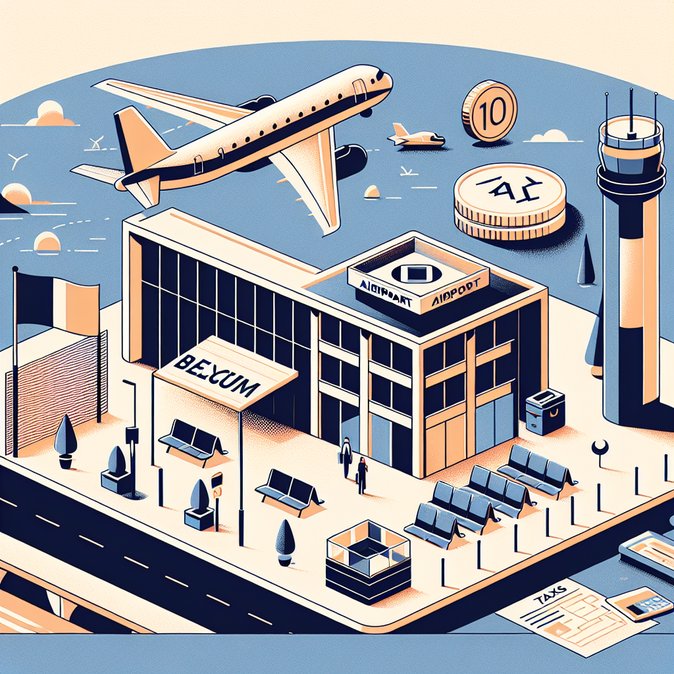
Irish low-cost carrier Ryanair has confirmed that it will cut 1.1 million passenger seats at Brussels South Charleroi Airport in the 2026 summer schedule and a further 1.1 million in 2027. The decision follows two separate Belgian tax measures: a federal increase that will raise the national flight tax from €2 today to €10 per departing passenger on 1 January 2027, and a new municipal levy of €3 per passenger that Charleroi city council intends to impose from April 2026.
Speaking at a press conference in Brussels on 14 January, CEO Michael O’Leary called the measures “stupid” and warned that Ryanair would redirect planes and jobs to lower-tax markets such as Sweden, Hungary and Italy. Ryanair currently carries around 10 million passengers a year in Belgium—8.9 million via Charleroi and 1.2 million via Brussels Airport—so the cuts represent roughly 20 % of its Belgian capacity.
For corporate travel managers, the move means fewer daily frequencies on key business routes to Spain, Italy and Eastern Europe, where Charleroi often provides the only non-stop low-cost option. Ticket prices are expected to rise on the remaining flights as competition shrinks; Ryanair has already removed promotional fares for several summer dates.
![Ryanair slashes 1.1 million seats from Charleroi routes as Belgium hikes flight taxes]()
If rebuilding itineraries now involves connecting via additional countries—or simply navigating new documentation rules—VisaHQ can help streamline the process. Its Belgium portal (https://www.visahq.com/belgium/) offers real-time visa and entry guidance for over 200 nationalities and facilitates fast, compliant processing, allowing travellers and corporate bookers to focus on securing scarce seats rather than paperwork.
Charleroi Airport, which relies on Ryanair for more than 70 % of its traffic, faces a double financial hit: fewer departing passengers to tax and a likely drop in concession revenue from parking, retail and food-and-beverage outlets. Airport management warned that up to 400 ground-handling and retail jobs could be at risk if the seat reductions go ahead.
Belgium’s federal government argues that the higher levy is part of its green transition plan and brings Belgium in line with neighbouring countries that already charge departure taxes. However, airlines contend that the measure will simply displace traffic to airports in France, Germany and the Netherlands, undermining both environmental goals and Belgium’s connectivity. Business-travel associations are urging authorities to reconsider, noting that Charleroi is the primary gateway for many SMEs in Wallonia.
Speaking at a press conference in Brussels on 14 January, CEO Michael O’Leary called the measures “stupid” and warned that Ryanair would redirect planes and jobs to lower-tax markets such as Sweden, Hungary and Italy. Ryanair currently carries around 10 million passengers a year in Belgium—8.9 million via Charleroi and 1.2 million via Brussels Airport—so the cuts represent roughly 20 % of its Belgian capacity.
For corporate travel managers, the move means fewer daily frequencies on key business routes to Spain, Italy and Eastern Europe, where Charleroi often provides the only non-stop low-cost option. Ticket prices are expected to rise on the remaining flights as competition shrinks; Ryanair has already removed promotional fares for several summer dates.

If rebuilding itineraries now involves connecting via additional countries—or simply navigating new documentation rules—VisaHQ can help streamline the process. Its Belgium portal (https://www.visahq.com/belgium/) offers real-time visa and entry guidance for over 200 nationalities and facilitates fast, compliant processing, allowing travellers and corporate bookers to focus on securing scarce seats rather than paperwork.
Charleroi Airport, which relies on Ryanair for more than 70 % of its traffic, faces a double financial hit: fewer departing passengers to tax and a likely drop in concession revenue from parking, retail and food-and-beverage outlets. Airport management warned that up to 400 ground-handling and retail jobs could be at risk if the seat reductions go ahead.
Belgium’s federal government argues that the higher levy is part of its green transition plan and brings Belgium in line with neighbouring countries that already charge departure taxes. However, airlines contend that the measure will simply displace traffic to airports in France, Germany and the Netherlands, undermining both environmental goals and Belgium’s connectivity. Business-travel associations are urging authorities to reconsider, noting that Charleroi is the primary gateway for many SMEs in Wallonia.