Poland’s Ministry of the Interior and Administration confirmed on 14 January 2026 that temporary controls on the country’s western and north-eastern Schengen frontiers will remain in force for another quarter.
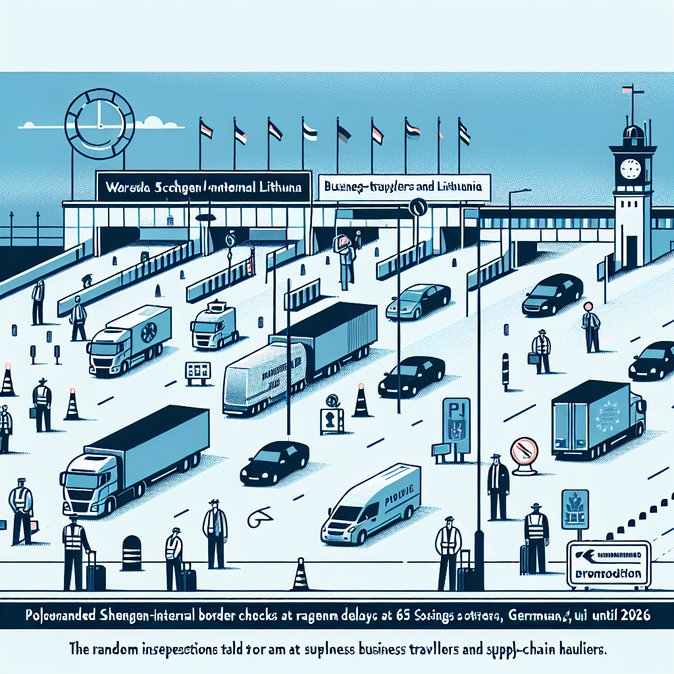
The decision, first introduced in July 2025 and most recently prolonged by a 1 October ordinance, means travellers entering from Germany or Lithuania will continue to face random checks at 65 designated crossing points. According to Wednesday’s Border Guard communiqué, 52 crossings remain open on the German side (16 with full-time inspection lanes) and 13 on the Lithuanian side (two with permanent posts in the former Budzisko and Ogrodniki stations).
Officials say the extension is driven by “persistent secondary movements” of migrants who initially cross from Belarus into the EU via Lithuania and attempt to reach Germany through Poland. Mobile patrols equipped with ANPR cameras, heat-seeking drones and joint police–military teams will supplement fixed controls.
![Poland keeps temporary checks on German and Lithuanian borders through 4 April 2026]()
If you or your employees need help navigating the paperwork for Schengen or Polish entry—especially when facing ad-hoc checks—VisaHQ can streamline the process with online applications, document pre-screening and real-time tracking; visit https://www.visahq.com/poland/ to see how their experts can keep travel plans on schedule.
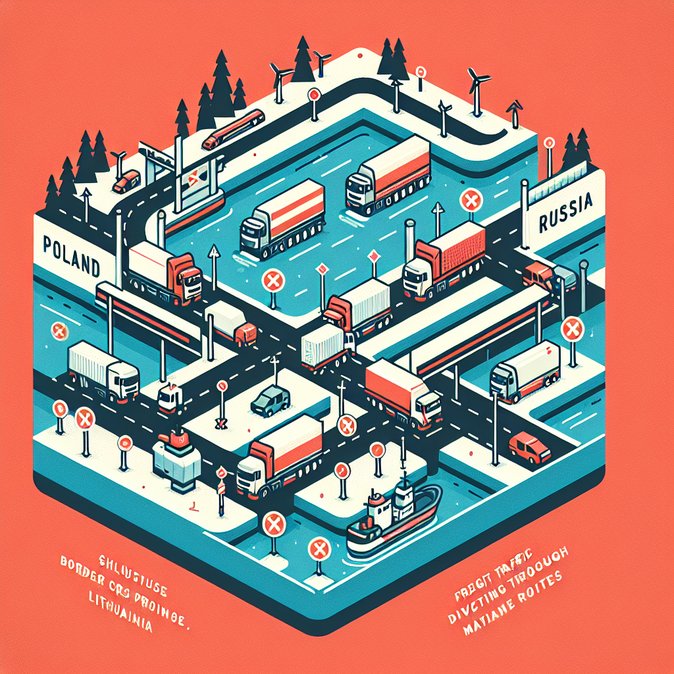
For business-travel planners the impact is mostly time: coaches and commercial vans are experiencing an average 15- to 25-minute stop in the inspection zone, and corporate shuttle operators have been advised to add 45-minute buffers on Warsaw–Berlin and Warsaw–Vilnius routes. Air links remain unaffected, but freight forwarders rerouting just-in-time components from Kaunas or Leipzig must pre-lodge electronic manifests to avoid secondary screening.
Employers relocating assignees should remind staff to carry either a biometric passport or a Polish residence card to shorten verification. HR teams sponsoring local hires can expect heightened document checks for applicants transiting through Germany or Lithuania, especially nationals requiring Schengen visas; carrying proof of Polish accommodation and employment offers is strongly recommended until normal Schengen free-movement rules resume.
The decision, first introduced in July 2025 and most recently prolonged by a 1 October ordinance, means travellers entering from Germany or Lithuania will continue to face random checks at 65 designated crossing points. According to Wednesday’s Border Guard communiqué, 52 crossings remain open on the German side (16 with full-time inspection lanes) and 13 on the Lithuanian side (two with permanent posts in the former Budzisko and Ogrodniki stations).
Officials say the extension is driven by “persistent secondary movements” of migrants who initially cross from Belarus into the EU via Lithuania and attempt to reach Germany through Poland. Mobile patrols equipped with ANPR cameras, heat-seeking drones and joint police–military teams will supplement fixed controls.
If you or your employees need help navigating the paperwork for Schengen or Polish entry—especially when facing ad-hoc checks—VisaHQ can streamline the process with online applications, document pre-screening and real-time tracking; visit https://www.visahq.com/poland/ to see how their experts can keep travel plans on schedule.
For business-travel planners the impact is mostly time: coaches and commercial vans are experiencing an average 15- to 25-minute stop in the inspection zone, and corporate shuttle operators have been advised to add 45-minute buffers on Warsaw–Berlin and Warsaw–Vilnius routes. Air links remain unaffected, but freight forwarders rerouting just-in-time components from Kaunas or Leipzig must pre-lodge electronic manifests to avoid secondary screening.
Employers relocating assignees should remind staff to carry either a biometric passport or a Polish residence card to shorten verification. HR teams sponsoring local hires can expect heightened document checks for applicants transiting through Germany or Lithuania, especially nationals requiring Schengen visas; carrying proof of Polish accommodation and employment offers is strongly recommended until normal Schengen free-movement rules resume.