The long-awaited European Travel Information and Authorisation System (ETIAS) has been pushed back once again, giving British holiday-makers and business travellers extra breathing space before they must apply for the new €20 permit.
According to an update published on 9 January and confirmed on 13 January, ETIAS will now launch only in the final quarter of 2026, followed by a six-month soft-implementation period. During that window, applications will be voluntary and border guards will focus on traveller education rather than enforcement. As a result, ETIAS will not become mandatory until at least April 2027.
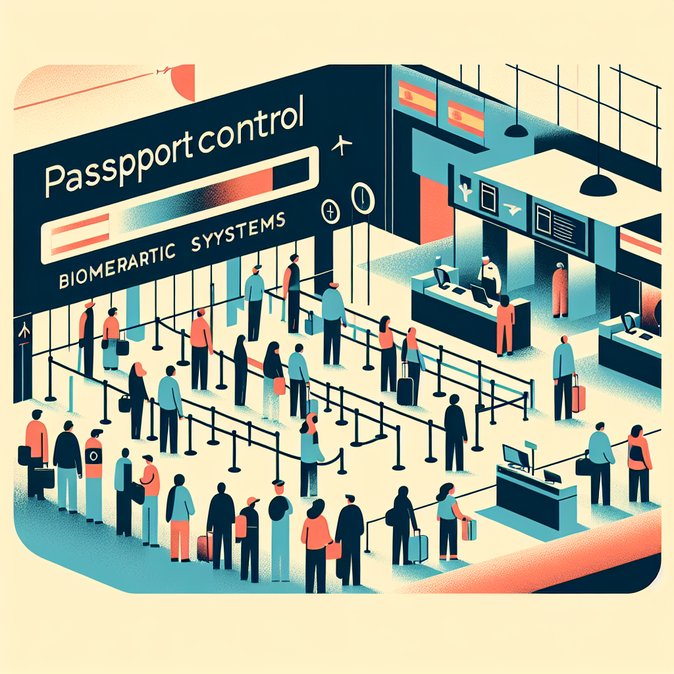
The latest delay is tied to technical hurdles in linking the EU-wide ETIAS platform to the new biometric Entry/Exit System (EES). Spain began pilot-testing EES hardware at Madrid-Barajas in late 2025 and expects nationwide deployment by April 2026. Officials in Madrid welcomed the reprieve, noting that front-line staff will have more time to train on both systems and avoid a repeat of last autumn’s bottlenecks when EES kiosks were first rolled out.
![ETIAS Postponed: UK Travellers Won’t Need the €20 Schengen Authorisation for Spain Until at Least April 2027]()
Travellers looking to stay ahead of these changes can streamline their preparations by using VisaHQ’s online tools. The company will alert users the moment ETIAS applications open, guide them through Spain-specific requirements and securely store approvals so documents are ready for airlines, employers or immigration officers. Explore the service at https://www.visahq.com/spain/
Tourism leaders, particularly on the Costas and in the Balearics, also breathed a sigh of relief. They had warned that launching two complex border programmes in quick succession risked sowing confusion during the high-season rebound. Hotels groups now plan joint information campaigns for 2026–27 so that guests arrive prepared once ETIAS does go live. Airlines, meanwhile, gain an extra year to adapt departure-control software so they can verify a passenger’s ETIAS status before boarding, as required by EU law.
For corporate mobility managers the message is clear: ETIAS compliance has slipped down—but not off—the agenda. Companies should still budget for the €20 fee per non-EU assignee and ensure that travel-booking tools can capture ETIAS reference numbers well ahead of the final switch-over date in 2027.
According to an update published on 9 January and confirmed on 13 January, ETIAS will now launch only in the final quarter of 2026, followed by a six-month soft-implementation period. During that window, applications will be voluntary and border guards will focus on traveller education rather than enforcement. As a result, ETIAS will not become mandatory until at least April 2027.
The latest delay is tied to technical hurdles in linking the EU-wide ETIAS platform to the new biometric Entry/Exit System (EES). Spain began pilot-testing EES hardware at Madrid-Barajas in late 2025 and expects nationwide deployment by April 2026. Officials in Madrid welcomed the reprieve, noting that front-line staff will have more time to train on both systems and avoid a repeat of last autumn’s bottlenecks when EES kiosks were first rolled out.

Travellers looking to stay ahead of these changes can streamline their preparations by using VisaHQ’s online tools. The company will alert users the moment ETIAS applications open, guide them through Spain-specific requirements and securely store approvals so documents are ready for airlines, employers or immigration officers. Explore the service at https://www.visahq.com/spain/
Tourism leaders, particularly on the Costas and in the Balearics, also breathed a sigh of relief. They had warned that launching two complex border programmes in quick succession risked sowing confusion during the high-season rebound. Hotels groups now plan joint information campaigns for 2026–27 so that guests arrive prepared once ETIAS does go live. Airlines, meanwhile, gain an extra year to adapt departure-control software so they can verify a passenger’s ETIAS status before boarding, as required by EU law.
For corporate mobility managers the message is clear: ETIAS compliance has slipped down—but not off—the agenda. Companies should still budget for the €20 fee per non-EU assignee and ensure that travel-booking tools can capture ETIAS reference numbers well ahead of the final switch-over date in 2027.