The Federal Department of Defence confirmed on 12 January that as many as 5,000 Swiss soldiers have entered a two-week assistance mission to protect the World Economic Forum (WEF) in Davos. The troops—mainly military police, logistics and air-defence units—supplement Graubünden cantonal police, which has overall command. Their mandate runs from 13 to 29 January 2026 and is authorised under Article 66 of the Swiss Armed Forces Act.(seco-cooperation.admin.ch)
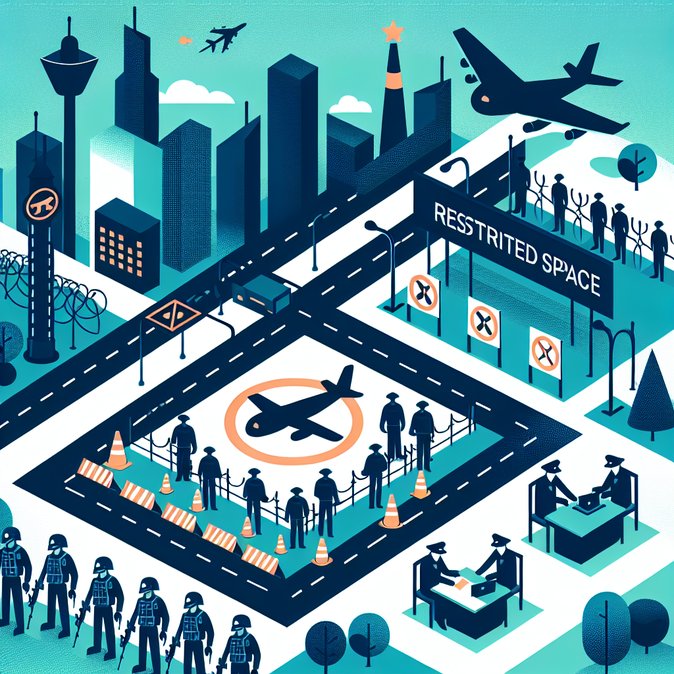
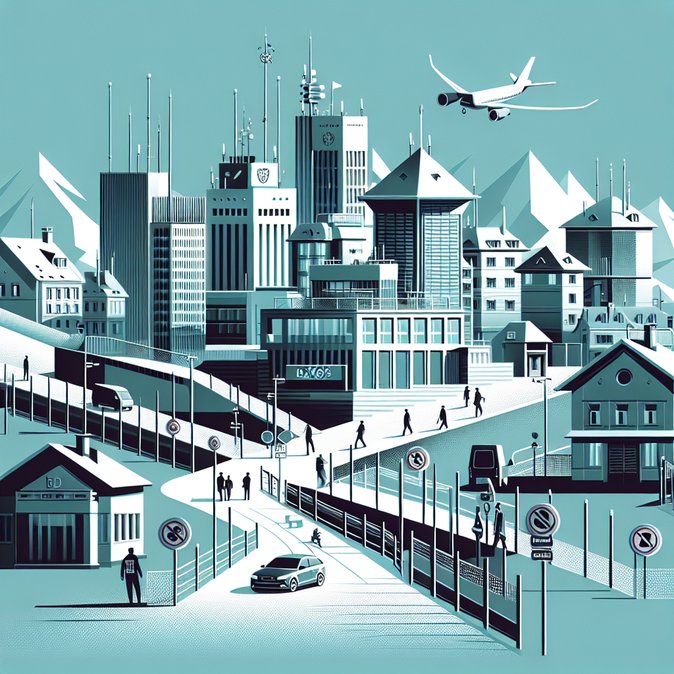
Besides manning checkpoints and guarding infrastructure such as rail tunnels and power substations, the army is taking over air-space security. A temporary restricted zone with a 25-nautical-mile radius around Davos will be active from 16 January and continuously between 19 and 24 January. Civil flights—including drones, paragliders and medical helicopters—must obtain special permits; violations risk interception by patrolling F-35A jets or mobile ground-based air-defence batteries. Business-aviation operators headed to nearby Samedan Airport face route and slot-allocation changes and must file Passenger Name Records 24 hours in advance.(seco-cooperation.admin.ch)
![Swiss Army deploys up to 5,000 troops and imposes air-space restrictions for WEF 2026]()
Against this backdrop, international delegates and support teams travelling to Davos can streamline their entry formalities through VisaHQ’s Switzerland portal (https://www.visahq.com/switzerland/). The service expedites Schengen visas, work permits and other travel documents, ensuring participants spend less time on paperwork and more time preparing for the forum’s demanding security and logistical environment.
For corporate mobility managers, the military build-up translates into additional lead time for vehicle accreditations and staff badges. Hotels in Davos report that guest registration data are being pre-screened by federal authorities, and couriers delivering conference materials undergo random X-ray inspections. Road closures on the A28 and local access roads will create sporadic delays of up to an hour—logistics providers advise nighttime deliveries where possible.
The deployment illustrates Switzerland’s layered security model, where federal forces routinely reinforce cantons during international events. For expatriate employees based in Graubünden, the army presence also activates special insurance coverage and, in some cases, tax allowances for “hardship postings” under Swiss law. Companies should update duty-of-care briefings, emphasising ID requirements and restrictions on recreational drone use.(seco-cooperation.admin.ch)
Besides manning checkpoints and guarding infrastructure such as rail tunnels and power substations, the army is taking over air-space security. A temporary restricted zone with a 25-nautical-mile radius around Davos will be active from 16 January and continuously between 19 and 24 January. Civil flights—including drones, paragliders and medical helicopters—must obtain special permits; violations risk interception by patrolling F-35A jets or mobile ground-based air-defence batteries. Business-aviation operators headed to nearby Samedan Airport face route and slot-allocation changes and must file Passenger Name Records 24 hours in advance.(seco-cooperation.admin.ch)
Against this backdrop, international delegates and support teams travelling to Davos can streamline their entry formalities through VisaHQ’s Switzerland portal (https://www.visahq.com/switzerland/). The service expedites Schengen visas, work permits and other travel documents, ensuring participants spend less time on paperwork and more time preparing for the forum’s demanding security and logistical environment.
For corporate mobility managers, the military build-up translates into additional lead time for vehicle accreditations and staff badges. Hotels in Davos report that guest registration data are being pre-screened by federal authorities, and couriers delivering conference materials undergo random X-ray inspections. Road closures on the A28 and local access roads will create sporadic delays of up to an hour—logistics providers advise nighttime deliveries where possible.
The deployment illustrates Switzerland’s layered security model, where federal forces routinely reinforce cantons during international events. For expatriate employees based in Graubünden, the army presence also activates special insurance coverage and, in some cases, tax allowances for “hardship postings” under Swiss law. Companies should update duty-of-care briefings, emphasising ID requirements and restrictions on recreational drone use.(seco-cooperation.admin.ch)