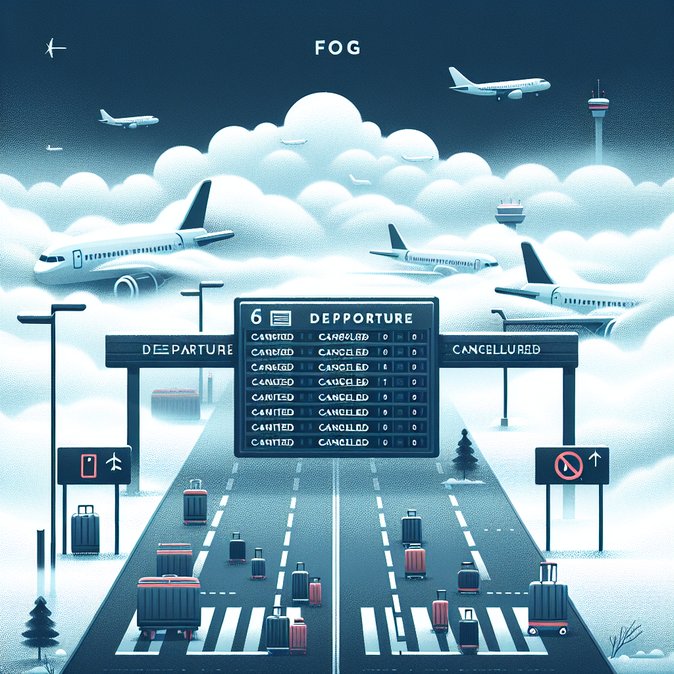
North India’s notorious winter fog has returned with force, triggering mass disruptions at Indira Gandhi International Airport and cascading delays across the domestic and international network. By 08:00 IST on 12 January 2026, IndiGo had cancelled more than 90 flights, while Air India and SpiceJet warned passengers of potential delays or diversions at 20+ airports from Jaipur to Guwahati.
Operational fallout: Delhi’s CAT III-B runways technically operate down to 50 metres’ visibility, but extended runway-occupancy times force Air Traffic Control to increase separation minima. The resulting gridlock reverberates across airline rotations, causing missed connections for international passengers and crew-duty busts that can snowball into next-day cancellations.
Impact on business travellers: Corporate mobility managers report missed contract-signing meetings in Mumbai, while several expats heading to plant sites in Ahmedabad and Nagpur were forced to overnight in Delhi. Logistics firms warn of delays to time-critical shipments routed via belly-cargo.
![Dense Fog Grounds Flights Across North India; IndiGo Cancels 90+ Services, Airlines Issue Nationwide Alerts]()
If unplanned stopovers or diversions mean your visa validity is at risk, VisaHQ can help fast-track Indian visa extensions or arrange emergency permits for onward travel. Their intuitive portal (https://www.visahq.com/india/) lets travellers upload documents, track status in real time, and access expert support—ensuring paperwork doesn’t add to the stress while fog-induced disruptions play out.
Mitigation steps: 1) Airlines are offering free rebooking within seven days. 2) Travellers should sign up for real-time SMS alerts and avoid tight onward connections. 3) Companies with frequent north-India travel are advised to build weather buffers into travel policies from December through February.
Regulatory angle: The Directorate-General of Civil Aviation is monitoring airline schedule adjustments and has reminded carriers of their statutory duty to provide meals and hotel accommodation for delays exceeding six hours.
Operational fallout: Delhi’s CAT III-B runways technically operate down to 50 metres’ visibility, but extended runway-occupancy times force Air Traffic Control to increase separation minima. The resulting gridlock reverberates across airline rotations, causing missed connections for international passengers and crew-duty busts that can snowball into next-day cancellations.
Impact on business travellers: Corporate mobility managers report missed contract-signing meetings in Mumbai, while several expats heading to plant sites in Ahmedabad and Nagpur were forced to overnight in Delhi. Logistics firms warn of delays to time-critical shipments routed via belly-cargo.
If unplanned stopovers or diversions mean your visa validity is at risk, VisaHQ can help fast-track Indian visa extensions or arrange emergency permits for onward travel. Their intuitive portal (https://www.visahq.com/india/) lets travellers upload documents, track status in real time, and access expert support—ensuring paperwork doesn’t add to the stress while fog-induced disruptions play out.
Mitigation steps: 1) Airlines are offering free rebooking within seven days. 2) Travellers should sign up for real-time SMS alerts and avoid tight onward connections. 3) Companies with frequent north-India travel are advised to build weather buffers into travel policies from December through February.
Regulatory angle: The Directorate-General of Civil Aviation is monitoring airline schedule adjustments and has reminded carriers of their statutory duty to provide meals and hotel accommodation for delays exceeding six hours.