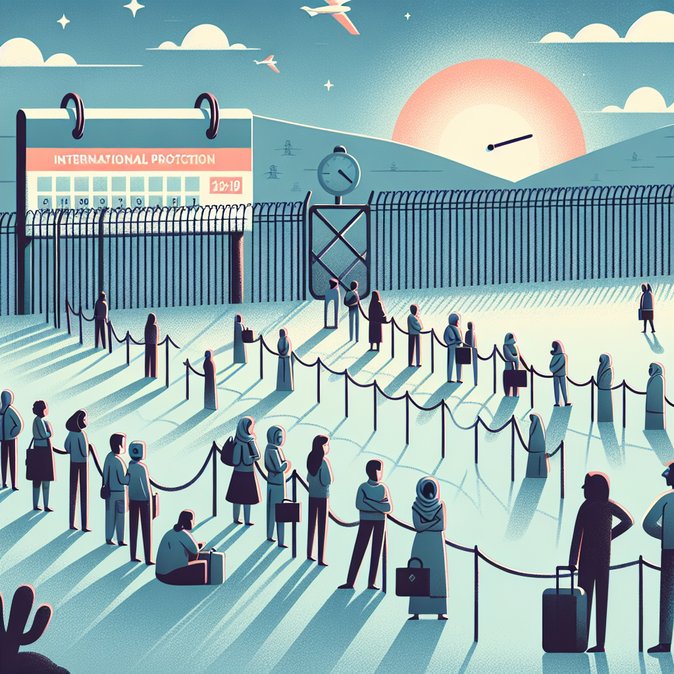
The Irish Government is preparing the most far-reaching overhaul of its asylum regime in decades. According to a Cabinet briefing note seen by The Irish Times, Justice Minister Jim O’Callaghan will present draft heads of an International Protection Bill on 14 January that, among other measures, lengthens the waiting period before refugees may bring immediate family members to Ireland from 12 months to three years. The rule will apply to spouses, partners and dependent children and is intended to align Ireland with the more restrictive family-reunification timelines recently endorsed by EU Member States under the bloc’s migration pact. (irishtimes.com)
Officials argue the change is necessary to stem secondary movements within the EU and to reduce pressure on Ireland’s accommodation system, which has struggled to house record numbers of applicants in 2024-25. Data released by the Department of Justice show that voluntary and forced removals of failed applicants rose 89 % last year, yet more than 100 new protection claims continue to be filed each week. The Bill will also replace the International Protection Appeals Tribunal with a new Tribunal for Asylum and Returns Appeals (TARA) empowered to fast-track manifestly unfounded cases.
For anyone trying to navigate Ireland’s rapidly changing immigration landscape—whether refugees, family members or employers—VisaHQ offers practical, up-to-date guidance on visa requirements, document preparation and application timelines. Its Ireland portal (https://www.visahq.com/ireland/) consolidates the latest governmental rules and provides personalised support, helping users anticipate policy shifts such as the proposed family-reunification extension and identify alternative legal pathways where appropriate.
![Ireland to Impose Three-Year Wait on Refugee Family Reunification Under New International Protection Bill]()
Civil-society groups, including the Irish Refugee Council, warn the three-year bar risks exacerbating mental-health problems and hampering integration by prolonging family separation. Business lobby Ibec is equally concerned that the proposal could deter highly-skilled refugees—particularly tech workers—who have begun filling labour gaps under existing Stamp 4 permission rules.
For employers, the most immediate impact will be on global mobility planning for staff who have recently secured, or are in the process of securing, refugee status. HR teams may need to adjust relocation packages, housing allowances and welfare-support budgets to account for prolonged single-status postings. Immigration advisers recommend that refugees already in Ireland submit family-reunification applications before the Bill becomes law; transitional clauses have not yet been published.
If enacted on schedule, the new legislation will take effect before the EU’s Common Procedures Regulation enters force in June 2026, placing Ireland among the first Member States to operationalise the pact’s tougher stance on protection and returns.
Officials argue the change is necessary to stem secondary movements within the EU and to reduce pressure on Ireland’s accommodation system, which has struggled to house record numbers of applicants in 2024-25. Data released by the Department of Justice show that voluntary and forced removals of failed applicants rose 89 % last year, yet more than 100 new protection claims continue to be filed each week. The Bill will also replace the International Protection Appeals Tribunal with a new Tribunal for Asylum and Returns Appeals (TARA) empowered to fast-track manifestly unfounded cases.
For anyone trying to navigate Ireland’s rapidly changing immigration landscape—whether refugees, family members or employers—VisaHQ offers practical, up-to-date guidance on visa requirements, document preparation and application timelines. Its Ireland portal (https://www.visahq.com/ireland/) consolidates the latest governmental rules and provides personalised support, helping users anticipate policy shifts such as the proposed family-reunification extension and identify alternative legal pathways where appropriate.

Civil-society groups, including the Irish Refugee Council, warn the three-year bar risks exacerbating mental-health problems and hampering integration by prolonging family separation. Business lobby Ibec is equally concerned that the proposal could deter highly-skilled refugees—particularly tech workers—who have begun filling labour gaps under existing Stamp 4 permission rules.
For employers, the most immediate impact will be on global mobility planning for staff who have recently secured, or are in the process of securing, refugee status. HR teams may need to adjust relocation packages, housing allowances and welfare-support budgets to account for prolonged single-status postings. Immigration advisers recommend that refugees already in Ireland submit family-reunification applications before the Bill becomes law; transitional clauses have not yet been published.
If enacted on schedule, the new legislation will take effect before the EU’s Common Procedures Regulation enters force in June 2026, placing Ireland among the first Member States to operationalise the pact’s tougher stance on protection and returns.