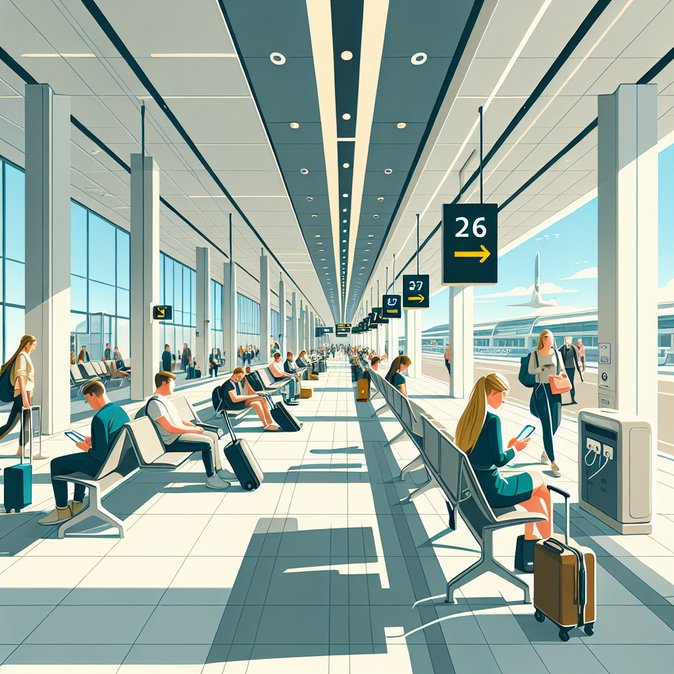
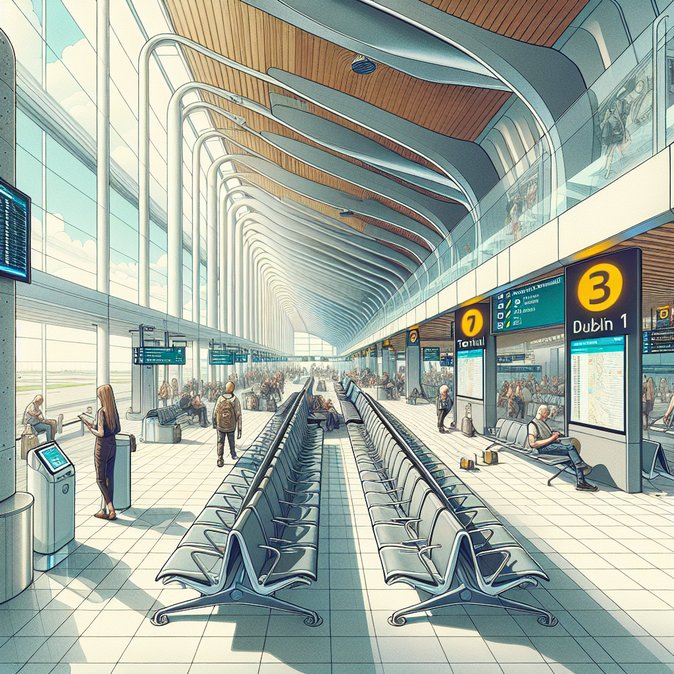
Frequent flyers into Dublin have long dreaded the 400-metre corridor linking Terminal 1 security to Ryanair’s remote 100-series gates—a trek so notorious it spawned its own Twitter hashtag, #LongWalk. On 10 January the airport operator daa quietly installed padded benches, phone-charging points and flight-info screens at five intervals along the passageway. The €2 million upgrade is part of an €80 million passenger-experience plan aimed at boosting Skytrax ratings ahead of the summer rush. (visahq.com)
The new rest stations target mobility-impaired passengers, parents with small children and corporate travellers lugging cabin-size roll-aboards. Accessibility groups welcomed the move but continue to lobby for travelators and additional restrooms. daa says it is studying both options as part of the next phase of its capital plan.
If your Dublin routing involves an onward international leg, make sure your paperwork is as seamless as your walk: VisaHQ’s Ireland portal (https://www.visahq.com/ireland/) lets travellers and corporate mobility teams check visa requirements, complete applications online and monitor status updates in real time—so the #LongWalk, not visa red tape, remains your biggest concern.
![Dublin Airport Adds Seating and Charging Stations Along Terminal 1’s 400-Metre ‘Long Walk’]()
Although the enhancement does not alter immigration procedures, it improves dwell-time comfort for transfer passengers using Dublin as a hub—especially US-bound travellers availing of pre-clearance facilities in Terminal 2. Lounges in T1 are also being refurbished and are slated to reopen in March.
Global mobility teams should note the update when advising transferees with reduced mobility or tight layovers. Way-finding signage has been updated, and Dublin Airport’s mobile app now highlights the seating clusters and nearest water stations.
The incremental yet tangible improvement underscores Ireland’s ambition to position Dublin as a hassle-free alternative to Heathrow and Schiphol, both of which have grappled with capacity constraints and labour disputes.
The new rest stations target mobility-impaired passengers, parents with small children and corporate travellers lugging cabin-size roll-aboards. Accessibility groups welcomed the move but continue to lobby for travelators and additional restrooms. daa says it is studying both options as part of the next phase of its capital plan.
If your Dublin routing involves an onward international leg, make sure your paperwork is as seamless as your walk: VisaHQ’s Ireland portal (https://www.visahq.com/ireland/) lets travellers and corporate mobility teams check visa requirements, complete applications online and monitor status updates in real time—so the #LongWalk, not visa red tape, remains your biggest concern.
Although the enhancement does not alter immigration procedures, it improves dwell-time comfort for transfer passengers using Dublin as a hub—especially US-bound travellers availing of pre-clearance facilities in Terminal 2. Lounges in T1 are also being refurbished and are slated to reopen in March.
Global mobility teams should note the update when advising transferees with reduced mobility or tight layovers. Way-finding signage has been updated, and Dublin Airport’s mobile app now highlights the seating clusters and nearest water stations.
The incremental yet tangible improvement underscores Ireland’s ambition to position Dublin as a hassle-free alternative to Heathrow and Schiphol, both of which have grappled with capacity constraints and labour disputes.