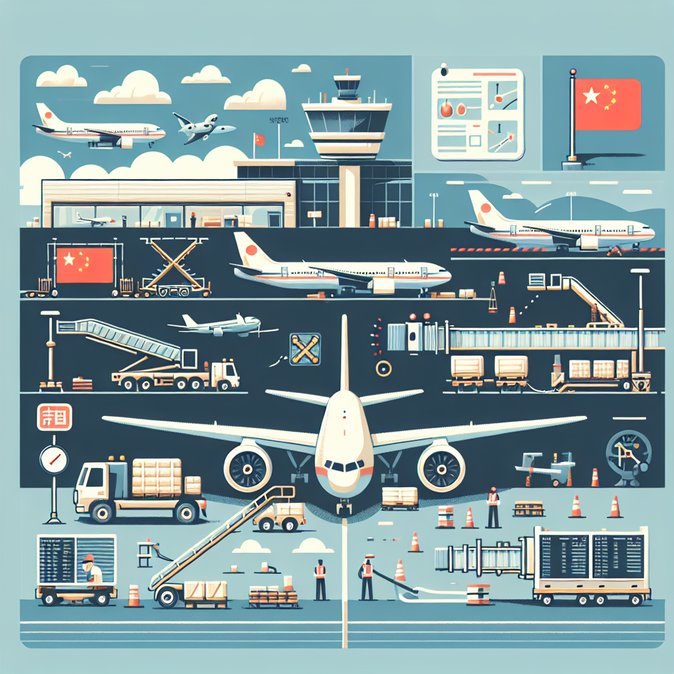
Domestic carrier Shenzhen Airlines experienced an operational hiccup on 12 January when flight ZH9881 (Shenzhen–Hangzhou) reported a technical anomaly during taxi-out at Shenzhen Bao’an International Airport. The crew elected to return to the gate for troubleshooting in accordance with standard operating procedures.
Ground engineers rectified the problem within 90 minutes and the Airbus A320 departed at 11:20, landing in Hangzhou at 12:50, only 70 minutes behind schedule. Passengers were provided refreshments in the terminal and offered RMB 200 delay compensation vouchers, according to the airline’s statement on Weibo.
Although a routine event from a safety standpoint, the incident is a reminder that China’s rapid ramp-up of flight schedules—now approaching 95 % of 2019 capacity—puts pressure on engineering teams and spare-parts logistics. Industry analysts note that second-tier carriers like Shenzhen Airlines have invested heavily in predictive-maintenance software since the 2024 grounding of a Xiamen Airlines Boeing 737 due to undetected sensor faults.
![Shenzhen Airlines flight returns to stand after taxi-out fault, highlighting operational resilience]()
For travelers juggling tight itineraries, VisaHQ can help cushion the impact of such unexpected delays. Through its China portal (https://www.visahq.com/china/), the service offers instant visa requirement checks, expedited processing, and passport-renewal assistance—valuable tools when last-minute schedule changes threaten to derail onward journeys.
For corporate mobility managers the key takeaway is that contingency buffers in meeting schedules remain essential. Travellers transiting through Shenzhen or other busy coastal hubs should allow at least two hours on domestic-to-international connections until on-time-performance stabilises at pre-pandemic levels.
Civil Aviation Administration of China data show an on-time rate of 82.3 % nationwide in December, down three percentage points month-on-month, mainly because of weather-related disruptions in northern China and intensified traffic in the south.
Ground engineers rectified the problem within 90 minutes and the Airbus A320 departed at 11:20, landing in Hangzhou at 12:50, only 70 minutes behind schedule. Passengers were provided refreshments in the terminal and offered RMB 200 delay compensation vouchers, according to the airline’s statement on Weibo.
Although a routine event from a safety standpoint, the incident is a reminder that China’s rapid ramp-up of flight schedules—now approaching 95 % of 2019 capacity—puts pressure on engineering teams and spare-parts logistics. Industry analysts note that second-tier carriers like Shenzhen Airlines have invested heavily in predictive-maintenance software since the 2024 grounding of a Xiamen Airlines Boeing 737 due to undetected sensor faults.

For travelers juggling tight itineraries, VisaHQ can help cushion the impact of such unexpected delays. Through its China portal (https://www.visahq.com/china/), the service offers instant visa requirement checks, expedited processing, and passport-renewal assistance—valuable tools when last-minute schedule changes threaten to derail onward journeys.
For corporate mobility managers the key takeaway is that contingency buffers in meeting schedules remain essential. Travellers transiting through Shenzhen or other busy coastal hubs should allow at least two hours on domestic-to-international connections until on-time-performance stabilises at pre-pandemic levels.
Civil Aviation Administration of China data show an on-time rate of 82.3 % nationwide in December, down three percentage points month-on-month, mainly because of weather-related disruptions in northern China and intensified traffic in the south.