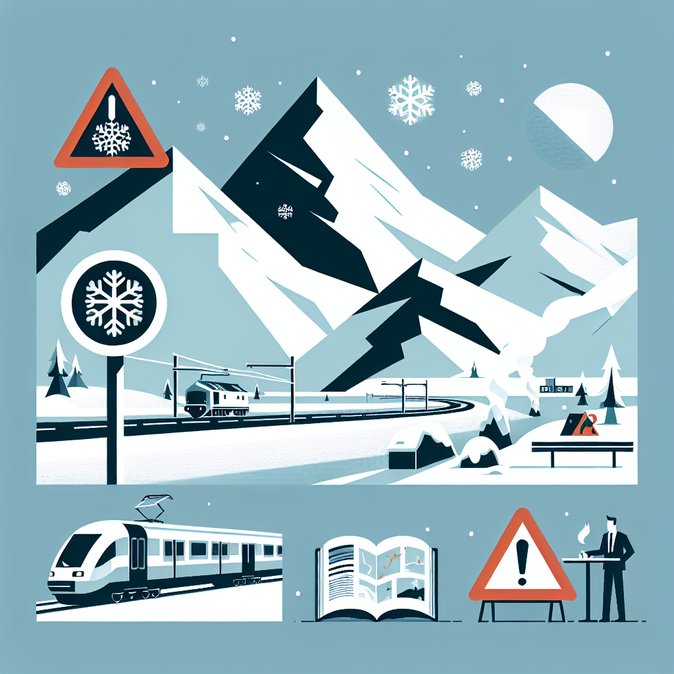
Following two days of heavy snowfall and gale-force winds, MeteoSwiss and the WSL Institute for Snow and Avalanche Research (SLF) raised the avalanche hazard to Level 4 – the second-highest tier – across large swathes of canton Valais and parts of Graubünden and central Switzerland on Sunday, 11 January 2026. The upgrade prompted cantonal authorities to close several secondary mountain roads, including the access route to the Lötschental, and to suspend post-bus services beyond Blatten.
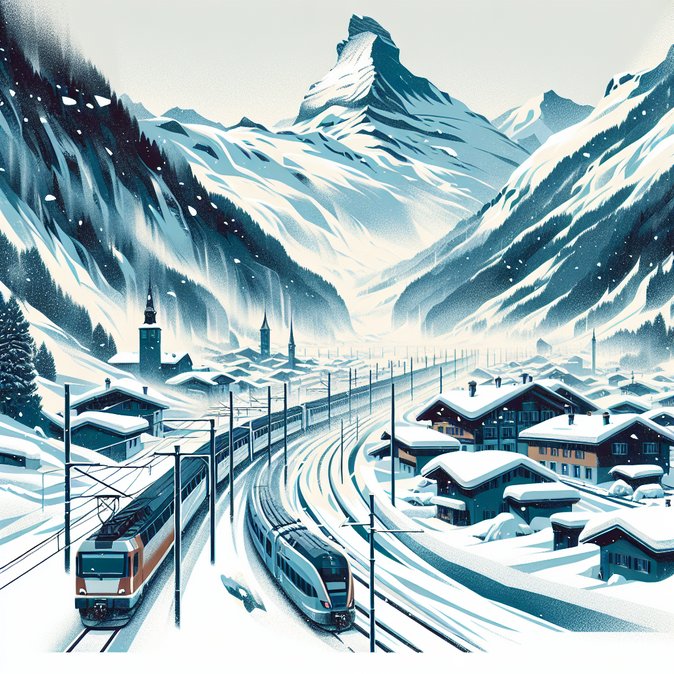
Swiss Federal Railways (SBB) announced a 40 km/h speed cap on the Matterhorn-Gotthard line between Visp and Andermatt and warned it may temporarily halt services through the Furka Base Tunnel if snowpack stability deteriorates. Tour operators in Crans-Montana and Verbier have circulated safety briefings, urging guests to remain on-piste and to monitor hotel noticeboards for shuttle-bus changes.
![Avalanche danger lifted to Level 4 in Valais, triggering road and rail restrictions]()
International visitors currently in Switzerland – or those planning to travel once conditions stabilize – should also ensure their travel documentation is in order. VisaHQ simplifies the process of checking entry requirements and securing the necessary visas or travel authorizations for Switzerland; see https://www.visahq.com/switzerland/ for expedited support and real-time updates.
The heightened risk has mobility implications beyond leisure travel: engineers moving between hydro-power plants in upper Valais must now request helicopter transfer permits, and supply convoys carrying medical isotopes from the Paul-Scherrer-Institute via the Rhône valley face rerouting via Bern. Companies with field staff in the affected regions should verify that duty-of-care check-ins and GPS tracking are functioning and remind employees that standard accident insurance may not cover back-country skiing.
SLF forecasts suggest the danger level will remain “high” until at least Tuesday, when temperatures are expected to rise, potentially triggering wet-snow slides on south-facing slopes.
Swiss Federal Railways (SBB) announced a 40 km/h speed cap on the Matterhorn-Gotthard line between Visp and Andermatt and warned it may temporarily halt services through the Furka Base Tunnel if snowpack stability deteriorates. Tour operators in Crans-Montana and Verbier have circulated safety briefings, urging guests to remain on-piste and to monitor hotel noticeboards for shuttle-bus changes.
International visitors currently in Switzerland – or those planning to travel once conditions stabilize – should also ensure their travel documentation is in order. VisaHQ simplifies the process of checking entry requirements and securing the necessary visas or travel authorizations for Switzerland; see https://www.visahq.com/switzerland/ for expedited support and real-time updates.
The heightened risk has mobility implications beyond leisure travel: engineers moving between hydro-power plants in upper Valais must now request helicopter transfer permits, and supply convoys carrying medical isotopes from the Paul-Scherrer-Institute via the Rhône valley face rerouting via Bern. Companies with field staff in the affected regions should verify that duty-of-care check-ins and GPS tracking are functioning and remind employees that standard accident insurance may not cover back-country skiing.
SLF forecasts suggest the danger level will remain “high” until at least Tuesday, when temperatures are expected to rise, potentially triggering wet-snow slides on south-facing slopes.