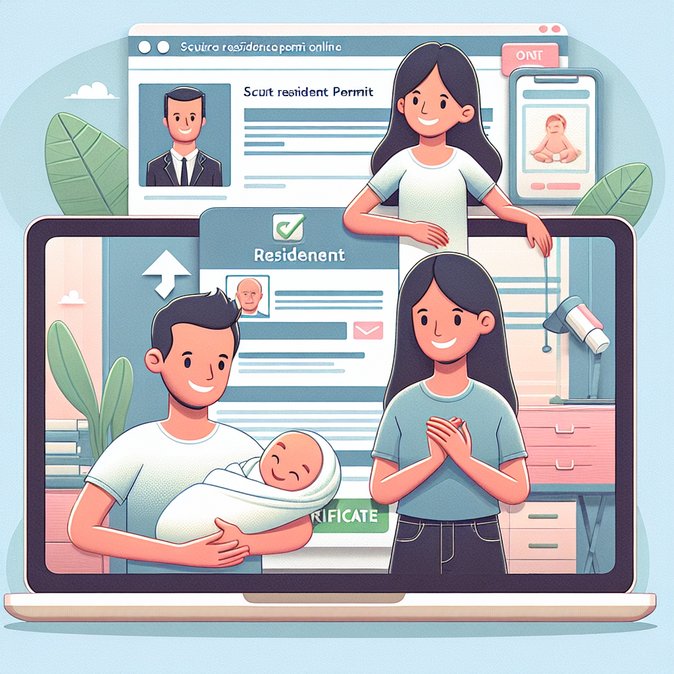
The Federal Authority for Identity, Citizenship, Customs & Ports Security (ICP) has introduced an online service that lets parents obtain a two-year residence permit for babies born in the UAE entirely through the ICP smart app or web portal (visahq.com).
How the service works. Parents log in with their UAE Pass digital ID, upload documents such as the child’s passport, birth certificate and proof of health insurance, pay a fee of AED 350 and receive an e-residence within 48 hours. Applications must be filed within 120 days of birth to avoid fines.
Benefits for expatriate families and employers. The upgrade removes multiple visits to typing centres and immigration counters, easing the administrative burden on HR departments that sponsor hundreds of dependants each year, particularly in construction, healthcare and hospitality. The paperless process also aligns with the government’s Zero Bureaucracy drive to cut physical paperwork by 80 per cent by 2031.
![UAE launches fully digital residency permit service for newborns]()
If you need a helping hand with any stage of this fully digital application, VisaHQ’s Dubai-based team can step in to review documents, liaise with ICP on your behalf, and expedite delivery of the newborn’s Emirates ID. Start your request or chat with an advisor here: https://www.visahq.com/united-arab-emirates/
Practical implications. Companies should update staff-onboarding handbooks, circulate the 120-day deadline, and verify that payroll and insurance systems can ingest the child’s Emirates ID once issued. For employees on assignment outside their home emirate, the digital platform eliminates courier delays and allows “anywhere-anytime” filing.
Broader trend. The newborn-permit launch is another step toward lifecycle e-immigration, following last year’s merge of visa and Emirates ID records and the rollout of the Resident Family single-application tool.
How the service works. Parents log in with their UAE Pass digital ID, upload documents such as the child’s passport, birth certificate and proof of health insurance, pay a fee of AED 350 and receive an e-residence within 48 hours. Applications must be filed within 120 days of birth to avoid fines.
Benefits for expatriate families and employers. The upgrade removes multiple visits to typing centres and immigration counters, easing the administrative burden on HR departments that sponsor hundreds of dependants each year, particularly in construction, healthcare and hospitality. The paperless process also aligns with the government’s Zero Bureaucracy drive to cut physical paperwork by 80 per cent by 2031.

If you need a helping hand with any stage of this fully digital application, VisaHQ’s Dubai-based team can step in to review documents, liaise with ICP on your behalf, and expedite delivery of the newborn’s Emirates ID. Start your request or chat with an advisor here: https://www.visahq.com/united-arab-emirates/
Practical implications. Companies should update staff-onboarding handbooks, circulate the 120-day deadline, and verify that payroll and insurance systems can ingest the child’s Emirates ID once issued. For employees on assignment outside their home emirate, the digital platform eliminates courier delays and allows “anywhere-anytime” filing.
Broader trend. The newborn-permit launch is another step toward lifecycle e-immigration, following last year’s merge of visa and Emirates ID records and the rollout of the Resident Family single-application tool.