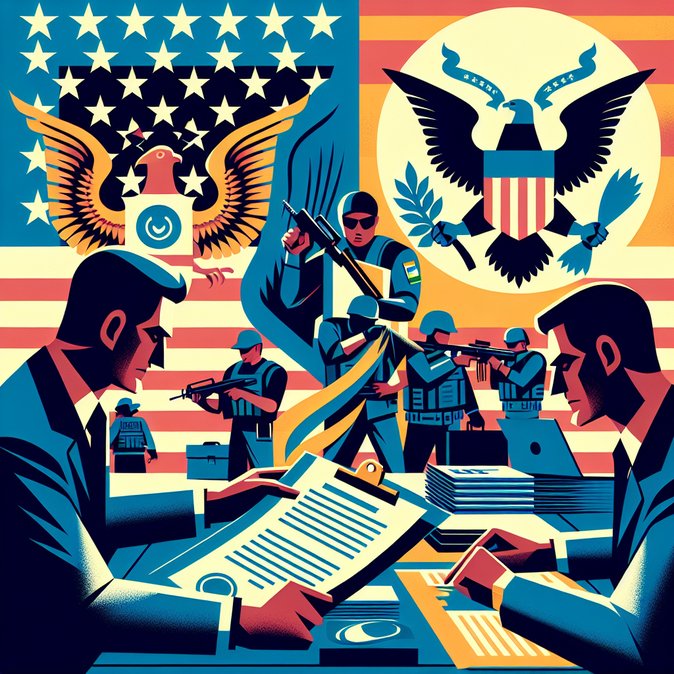
The US Embassy in India has posted an animated advisory reminding would-be B1/B2 travellers what they can—and cannot—do while in the United States. The video, released on 9 January, urges applicants to read visa conditions carefully amid a broader crackdown on immigration violations under the Trump administration’s second term. (timesofindia.indiatimes.com)
Key takeaways: business visitors (B1) may attend meetings, negotiate contracts and participate in short trainings, but cannot receive local remuneration; tourist visa (B2) holders must stay away from gainful employment and long-term study. The embassy warned that misuse can lead to visa cancellation, expedited removal at ports of entry and multi-year bans.
The timing is significant. Since December 15, US consulates in India have introduced mandatory social-media scrutiny for most non-immigrant visas, slowing appointment calendars by an estimated 30 per cent. Immigration lawyers say consular officers are now asking pointed questions about remote work, freelance gigs and conference speaking fees.
![US Embassy Warns Indian B1/B2 Applicants About Permitted Activities]()
Need clarity or assistance navigating these evolving B-1/B-2 requirements? VisaHQ’s India portal (https://www.visahq.com/india/) offers step-by-step guidance, document checklists and live support for visitor-visa applicants, helping travellers ensure their purpose-of-trip evidence, social-media disclosures and interview answers align with current U.S. consular expectations.
For Indian businesses, the advisory means tighter internal vetting of staff itineraries. Travel managers should issue written “statement of purpose” letters, limit stay lengths and keep proof of continued Indian salary payments. Importantly, attendees to trade fairs should carry return-flight bookings and hotel confirmations.
Analysts believe the messaging also sets the stage for possible on-arrival inspections by US Customs and Border Protection. Companies are advised to brief employees on secondary-inspection protocols and ensure all presentations or laptops carried align with the stated purpose of visit.
Key takeaways: business visitors (B1) may attend meetings, negotiate contracts and participate in short trainings, but cannot receive local remuneration; tourist visa (B2) holders must stay away from gainful employment and long-term study. The embassy warned that misuse can lead to visa cancellation, expedited removal at ports of entry and multi-year bans.
The timing is significant. Since December 15, US consulates in India have introduced mandatory social-media scrutiny for most non-immigrant visas, slowing appointment calendars by an estimated 30 per cent. Immigration lawyers say consular officers are now asking pointed questions about remote work, freelance gigs and conference speaking fees.
Need clarity or assistance navigating these evolving B-1/B-2 requirements? VisaHQ’s India portal (https://www.visahq.com/india/) offers step-by-step guidance, document checklists and live support for visitor-visa applicants, helping travellers ensure their purpose-of-trip evidence, social-media disclosures and interview answers align with current U.S. consular expectations.
For Indian businesses, the advisory means tighter internal vetting of staff itineraries. Travel managers should issue written “statement of purpose” letters, limit stay lengths and keep proof of continued Indian salary payments. Importantly, attendees to trade fairs should carry return-flight bookings and hotel confirmations.
Analysts believe the messaging also sets the stage for possible on-arrival inspections by US Customs and Border Protection. Companies are advised to brief employees on secondary-inspection protocols and ensure all presentations or laptops carried align with the stated purpose of visit.