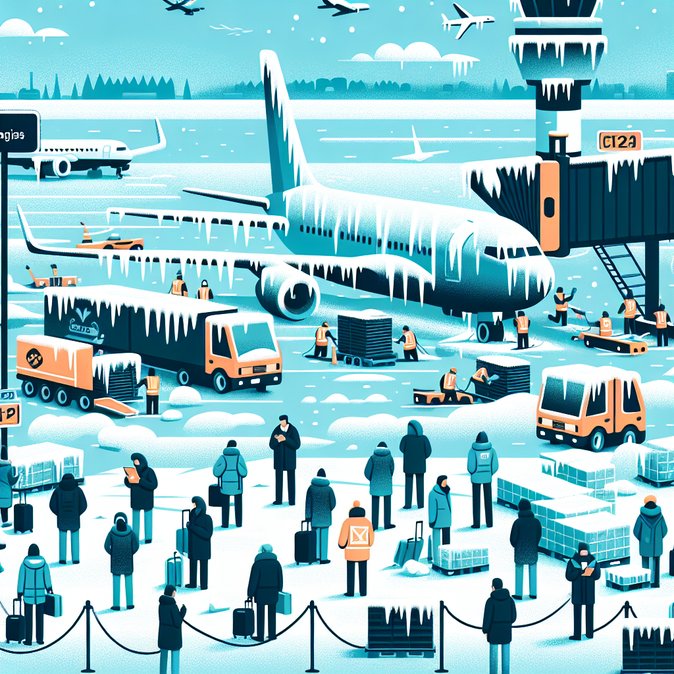
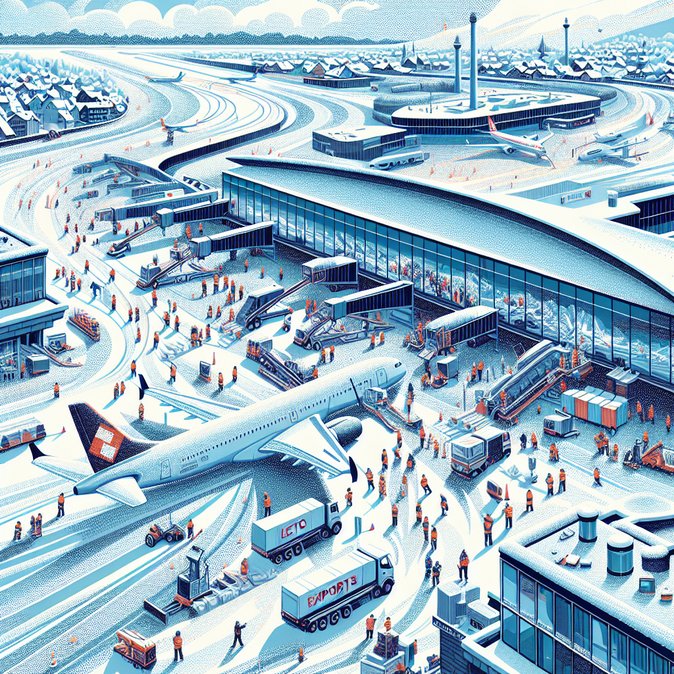
Temperatures plunged below –10 °C on the Swiss Plateau overnight, forcing Zürich Airport’s ground-handling crews to perform more than 100 aircraft de-icings before dawn on 8 January—three times the seasonal average. Each basic spray-down takes four minutes, but snow-covered wings can stretch the process to half an hour, pushing outbound banks toward the strict 23:00 night curfew.(visahq.com)
Flughafen Zürich AG says operations remain stable for now, but exceptional late-night departures may be authorised if long-haul flights fall behind schedule. SWISS and Lufthansa have activated bad-weather waiver policies allowing free re-booking when delays exceed two hours.(visahq.com)
![Deep-Freeze Forces Zürich Airport to Triple De-Icing Operations, Threatening Punctuality Window]()
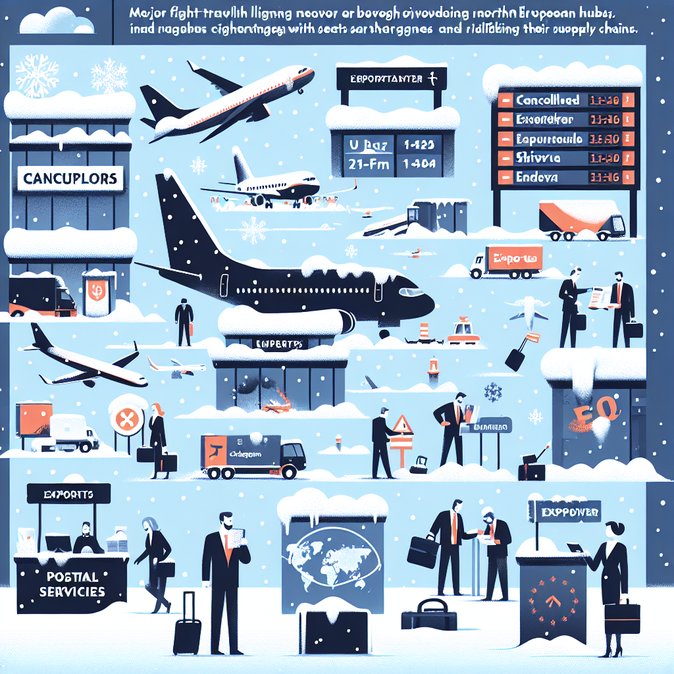
Cargo stakeholders are equally anxious. Pharmaceutical exporters warn that prolonged taxi-queue times can jeopardise passive cold-chain packaging; some have switched to active containers or rerouted shipments through Milan-Malpensa, where temperatures are milder. Travel-risk providers have upgraded Zürich’s operational status from ‘green’ to ‘amber’, advising executives to hold virtual meetings where possible.(visahq.com)
For travellers suddenly facing itinerary changes, obtaining or updating the right travel documents can add another layer of stress. VisaHQ’s Switzerland portal (https://www.visahq.com/switzerland/) streamlines the application process for Schengen visas and transit permits, offering step-by-step guidance, document checks, and express courier options—helping passengers adapt quickly when reroutes through Zürich or neighboring hubs become unavoidable.
Weather models signal a slight thaw after 10 January, but mobility managers should avoid tight evening connections at partner hubs Frankfurt, Munich and Vienna, which are suffering the same Arctic air mass. Travellers should also confirm that Schengen visas remain valid if last-minute reroutings require overnight stops.
Flughafen Zürich AG says operations remain stable for now, but exceptional late-night departures may be authorised if long-haul flights fall behind schedule. SWISS and Lufthansa have activated bad-weather waiver policies allowing free re-booking when delays exceed two hours.(visahq.com)
Cargo stakeholders are equally anxious. Pharmaceutical exporters warn that prolonged taxi-queue times can jeopardise passive cold-chain packaging; some have switched to active containers or rerouted shipments through Milan-Malpensa, where temperatures are milder. Travel-risk providers have upgraded Zürich’s operational status from ‘green’ to ‘amber’, advising executives to hold virtual meetings where possible.(visahq.com)
For travellers suddenly facing itinerary changes, obtaining or updating the right travel documents can add another layer of stress. VisaHQ’s Switzerland portal (https://www.visahq.com/switzerland/) streamlines the application process for Schengen visas and transit permits, offering step-by-step guidance, document checks, and express courier options—helping passengers adapt quickly when reroutes through Zürich or neighboring hubs become unavoidable.
Weather models signal a slight thaw after 10 January, but mobility managers should avoid tight evening connections at partner hubs Frankfurt, Munich and Vienna, which are suffering the same Arctic air mass. Travellers should also confirm that Schengen visas remain valid if last-minute reroutings require overnight stops.