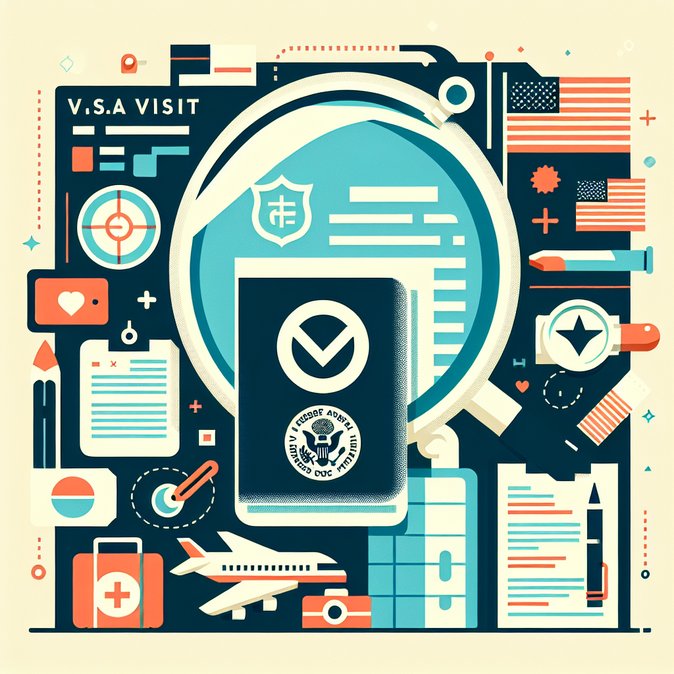
In an animated video released on 8 January, the U.S. Embassy in New Delhi warned prospective Indian B-1/B-2 visa holders that misuse of visitor-visa privileges could lead to cancellation, future ineligibility and even permanent bans. The clip, part of a month-long social-media campaign, stresses that travellers must avoid unauthorised work, overstays and status violations, and reminds applicants that consular officers may refuse visas if they suspect non-compliance.
The timing is significant: Indian citizens accounted for a record 17 percent of U.S. visitor visas issued in 2025, and American authorities are under political pressure to curb overstays. Consular insiders say that beginning this week, adjudicators will ask more detailed questions about planned activities, social-media presence and prior U.S. trips. Travel-industry lawyers already report longer interview times in Chennai and Mumbai.
![U.S. Embassy Issues Tough New Compliance Warning to Indian B-1/B-2 Visitors]()
For Indian companies sending employees to conferences or exploratory meetings, the embassy’s message signals higher documentary expectations—proof of continuing employment, strong ties to India and a detailed agenda. Recruiters fear that legitimate short-term business visits may be swept up in the stricter scrutiny, lengthening lead times for project kick-offs.
For those unsure about the shifting requirements, VisaHQ offers an easy-to-use portal (https://www.visahq.com/india/) that breaks down the latest rules, supplies customised document checklists and provides live application tracking, helping travellers avoid omissions that could trigger refusals.
Indian travellers should review permitted activities—attending meetings, negotiating contracts or undergoing medical treatment are allowed, paid employment is not—and carry evidence to back their stated purpose. Experts also advise monitoring I-94 records online after arrival to ensure accurate entry classification, as errors can trigger future denials.
The timing is significant: Indian citizens accounted for a record 17 percent of U.S. visitor visas issued in 2025, and American authorities are under political pressure to curb overstays. Consular insiders say that beginning this week, adjudicators will ask more detailed questions about planned activities, social-media presence and prior U.S. trips. Travel-industry lawyers already report longer interview times in Chennai and Mumbai.

For Indian companies sending employees to conferences or exploratory meetings, the embassy’s message signals higher documentary expectations—proof of continuing employment, strong ties to India and a detailed agenda. Recruiters fear that legitimate short-term business visits may be swept up in the stricter scrutiny, lengthening lead times for project kick-offs.
For those unsure about the shifting requirements, VisaHQ offers an easy-to-use portal (https://www.visahq.com/india/) that breaks down the latest rules, supplies customised document checklists and provides live application tracking, helping travellers avoid omissions that could trigger refusals.
Indian travellers should review permitted activities—attending meetings, negotiating contracts or undergoing medical treatment are allowed, paid employment is not—and carry evidence to back their stated purpose. Experts also advise monitoring I-94 records online after arrival to ensure accurate entry classification, as errors can trigger future denials.