A sprawling winter storm that barrelled across northern Europe on 6–7 January forced airlines to scrap more than 1,400 flights and disrupt rail and road links from Paris to Zagreb. Paris-Charles de Gaulle halted 40 % of departures, while KLM axed 600 movements at a frozen Schiphol. The cancellations rippled into Switzerland as inbound aircraft and crews failed to reach Zürich and Geneva on schedule. SWISS flight LX733 from Amsterdam was among the first casualties, and airport authorities warned of rolling delays on 8 January.(visahq.com)
Geneva Airport said that connections via Amsterdam, Paris and Frankfurt—routes that make up nearly a third of weekday traffic—were “severely disrupted,” and urged passengers to reconfirm bookings before heading to the terminal. Travel-management companies report that business-class inventory on direct long-haul services out of Zürich evaporated within hours as travellers sought to bypass affected hubs.
During such large-scale disruptions, ensuring that travel documents remain in order is critical. VisaHQ’s Swiss portal (https://www.visahq.com/switzerland/) lets travellers and corporate mobility teams verify Schengen visa status in real time, arrange expedited renewals, and secure electronic authorisations for alternative routings—helping missed connections from turning into missed opportunities.
![Europe-Wide Snowstorm Cancels 1,400+ Flights; Swiss Travellers Face Knock-On Chaos]()
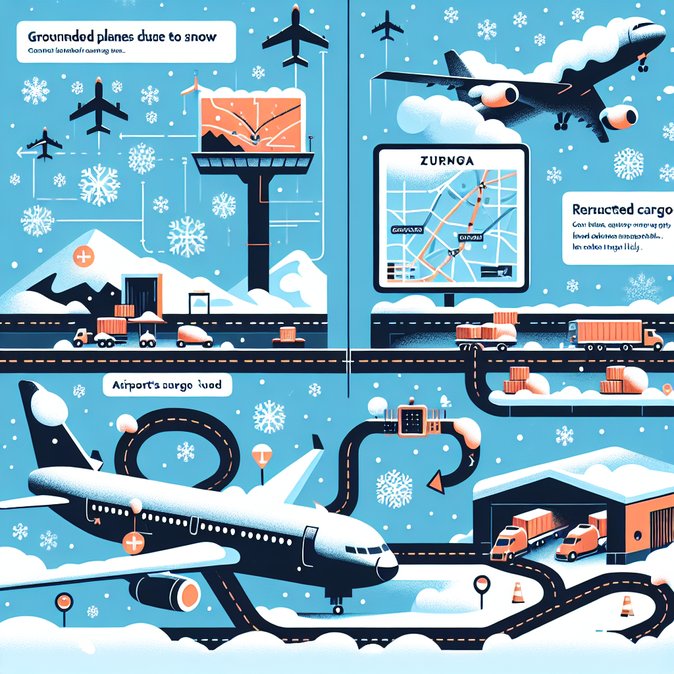
Beyond passenger misery, the storm squeezed supply chains. Basel-based life-science exporters saw DHL and FedEx push back guaranteed delivery windows, prompting some firms to reroute high-value samples through Milan. Meanwhile, Swiss Post suspended overnight mail trucks to northern France, citing black-ice conditions.
For global-mobility managers the lesson is clear: Europe’s densely interconnected network means that disruption abroad quickly hits Swiss schedules. Build multi-hub contingencies, remind employees of EU261 compensation rules and confirm Schengen visa validity if re-routing forces a layover in a different member state.
Meteorologists expect conditions to stabilise by 9 January, but airline backlogs typically take 48 hours to clear. Corporates with time-sensitive meetings should consider virtual options until at least Monday.
Geneva Airport said that connections via Amsterdam, Paris and Frankfurt—routes that make up nearly a third of weekday traffic—were “severely disrupted,” and urged passengers to reconfirm bookings before heading to the terminal. Travel-management companies report that business-class inventory on direct long-haul services out of Zürich evaporated within hours as travellers sought to bypass affected hubs.
During such large-scale disruptions, ensuring that travel documents remain in order is critical. VisaHQ’s Swiss portal (https://www.visahq.com/switzerland/) lets travellers and corporate mobility teams verify Schengen visa status in real time, arrange expedited renewals, and secure electronic authorisations for alternative routings—helping missed connections from turning into missed opportunities.
Beyond passenger misery, the storm squeezed supply chains. Basel-based life-science exporters saw DHL and FedEx push back guaranteed delivery windows, prompting some firms to reroute high-value samples through Milan. Meanwhile, Swiss Post suspended overnight mail trucks to northern France, citing black-ice conditions.
For global-mobility managers the lesson is clear: Europe’s densely interconnected network means that disruption abroad quickly hits Swiss schedules. Build multi-hub contingencies, remind employees of EU261 compensation rules and confirm Schengen visa validity if re-routing forces a layover in a different member state.
Meteorologists expect conditions to stabilise by 9 January, but airline backlogs typically take 48 hours to clear. Corporates with time-sensitive meetings should consider virtual options until at least Monday.