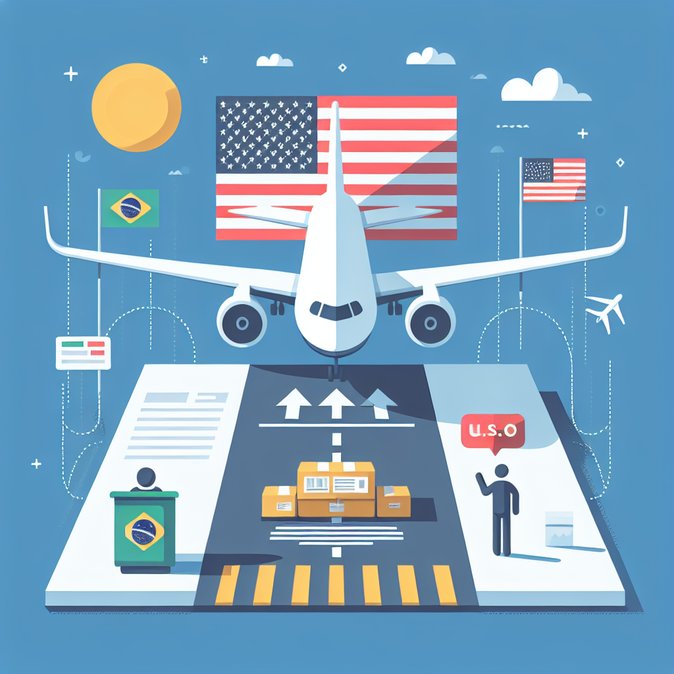
Thirty-two Brazilian nationals deported from the United States arrived at Belo Horizonte’s Confins Airport late on 7 January, marking the first humanitarian repatriation operation of 2026 coordinated by the Ministry of Human Rights and Citizenship (MDHC). The ‘Aqui é Brasil’ program, launched in 2019, provides a safe-landing package that includes temporary accommodation, food, hygiene kits, medical checks and onward transport to home states.
Upon arrival the group was transferred to a dedicated hotel facility near the airport staffed by social workers and psychologists. According to MDHC officials, the smaller cohort allowed for a streamlined reception compared with some 2025 flights that carried over 80 returnees. The ministry reiterated Brazil’s commitment to “dignified, rights-based” reintegration even as the United States intensifies deportations under its updated enforcement priorities.
![Brazil Welcomes First Repatriation Flight of 2026 Under ‘Aqui é Brasil’ Program]()
To navigate the complex web of visa regulations that can follow a deportation or any previous immigration infraction, travellers and corporate mobility teams can turn to VisaHQ. Through its Brazil-specific portal (https://www.visahq.com/brazil/), the platform offers up-to-date guidance, document checklists and end-to-end filing assistance for U.S. and other country visas, helping Brazilians prepare compliant applications when they become eligible to re-enter the United States or move elsewhere.
The program’s 2025 statistics illustrate the scale: more than 30 charter flights repatriated over 1,500 Brazilians last year. For 2026 authorities expect similar volumes and are in talks with state governments to expand vocational-training slots so that returnees can enter the formal labour market quickly.
Mobility practitioners should note that deported Brazilians often re-apply for U.S. visas after the statutory re-entry ban expires. Employers sponsoring future assignments must scrutinise prior immigration violations, as U.S. consular officers will weigh the deportation record heavily. Conversely, companies relocating staff from Brazil to the United States should factor in longer security-advisory checks for applicants with extensive U.S. immigration history.
Upon arrival the group was transferred to a dedicated hotel facility near the airport staffed by social workers and psychologists. According to MDHC officials, the smaller cohort allowed for a streamlined reception compared with some 2025 flights that carried over 80 returnees. The ministry reiterated Brazil’s commitment to “dignified, rights-based” reintegration even as the United States intensifies deportations under its updated enforcement priorities.

To navigate the complex web of visa regulations that can follow a deportation or any previous immigration infraction, travellers and corporate mobility teams can turn to VisaHQ. Through its Brazil-specific portal (https://www.visahq.com/brazil/), the platform offers up-to-date guidance, document checklists and end-to-end filing assistance for U.S. and other country visas, helping Brazilians prepare compliant applications when they become eligible to re-enter the United States or move elsewhere.
The program’s 2025 statistics illustrate the scale: more than 30 charter flights repatriated over 1,500 Brazilians last year. For 2026 authorities expect similar volumes and are in talks with state governments to expand vocational-training slots so that returnees can enter the formal labour market quickly.
Mobility practitioners should note that deported Brazilians often re-apply for U.S. visas after the statutory re-entry ban expires. Employers sponsoring future assignments must scrutinise prior immigration violations, as U.S. consular officers will weigh the deportation record heavily. Conversely, companies relocating staff from Brazil to the United States should factor in longer security-advisory checks for applicants with extensive U.S. immigration history.