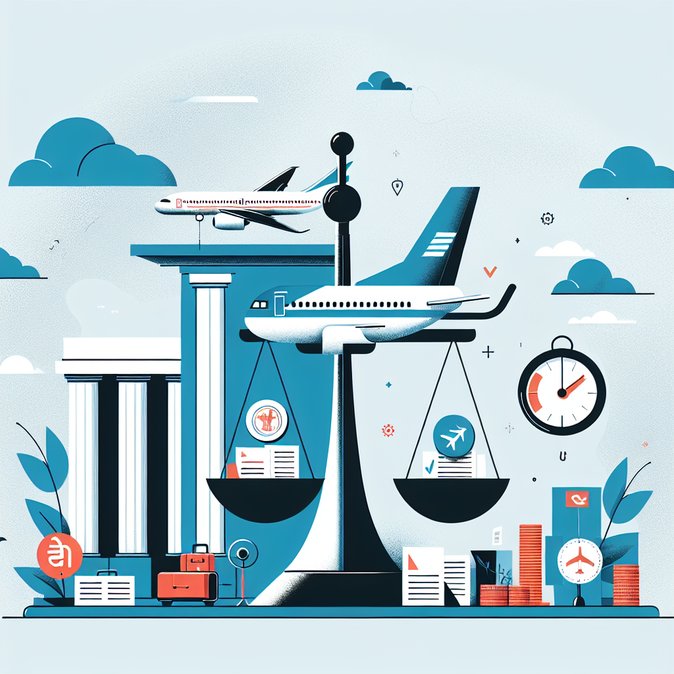
India’s Directorate General of Civil Aviation (DGCA) has tightened its scrutiny of domestic carriers by instructing IndiGo, Air India, SpiceJet and Akasa Air to file route-wise average fares charged between 1 and 15 December 2025.
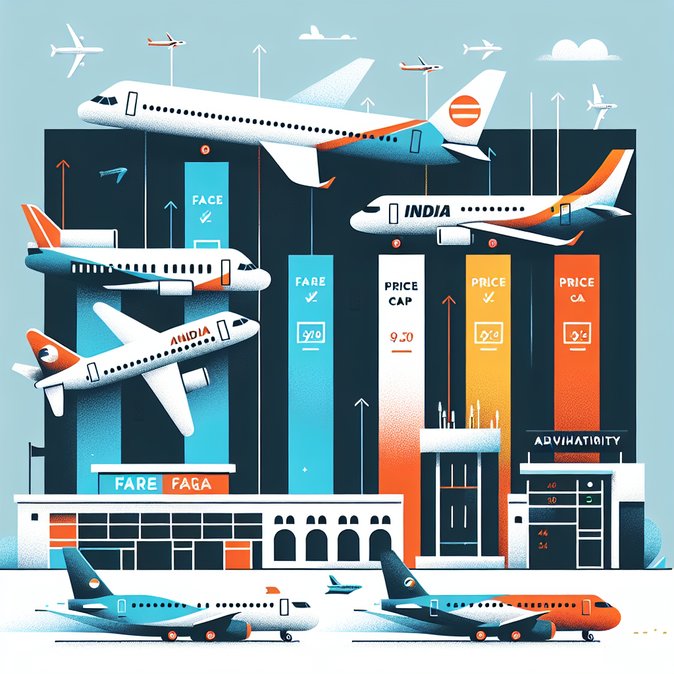
The regulator’s 7 January directive follows a rash of complaints from business travellers who were stranded—and then hit with five-to-ten-fold fare spikes—during IndiGo’s eight-day operational meltdown in early December. The Ministry of Civil Aviation imposed emergency price ceilings on 6 December (₹7,500 on flights under 500 km, up to ₹18,000 for sectors beyond 1,500 km) to stop what it called “crisis profiteering”; those caps remain in force.
DGCA will compare the airlines’ disclosures with AirSewa grievance-portal data, which logged more than 14,000 passenger complaints in December—roughly triple the monthly norm. A key analytical lens will be whether carriers systematically breached the caps on constrained routes such as Delhi–Bengaluru and Mumbai–Kolkata when alternative capacity was thin.
![DGCA orders airlines to disclose December fare data amid price-cap scrutiny]()
For business travellers navigating these uncertainties, VisaHQ can streamline at least one part of the journey: travel documentation. The company’s online platform (https://www.visahq.com/india/) lets individual passengers and corporate mobility teams secure visas, passports and e-travel authorisations with real-time status tracking, reducing last-minute airport surprises while fares fluctuate.
Corporate travel managers say the investigation will influence 2026 airfare negotiations, because any evidence of collusion or predatory pricing could lead to penalty orders and tighter fare-filing rules. Multinational mobility teams are already advising assignees to build flexible travel windows and to track ticket prices daily until seats are booked.
The airlines have not commented publicly, but executives privately argue that higher fares reflected surge costs—extra crew positioning, airport night parking and wet-leasing jets—rather than profiteering. DGCA’s findings are expected within four weeks and could become the benchmark for a permanent airfare transparency regime similar to the U.S. DOT’s fare-disclosure rules.
The regulator’s 7 January directive follows a rash of complaints from business travellers who were stranded—and then hit with five-to-ten-fold fare spikes—during IndiGo’s eight-day operational meltdown in early December. The Ministry of Civil Aviation imposed emergency price ceilings on 6 December (₹7,500 on flights under 500 km, up to ₹18,000 for sectors beyond 1,500 km) to stop what it called “crisis profiteering”; those caps remain in force.
DGCA will compare the airlines’ disclosures with AirSewa grievance-portal data, which logged more than 14,000 passenger complaints in December—roughly triple the monthly norm. A key analytical lens will be whether carriers systematically breached the caps on constrained routes such as Delhi–Bengaluru and Mumbai–Kolkata when alternative capacity was thin.
For business travellers navigating these uncertainties, VisaHQ can streamline at least one part of the journey: travel documentation. The company’s online platform (https://www.visahq.com/india/) lets individual passengers and corporate mobility teams secure visas, passports and e-travel authorisations with real-time status tracking, reducing last-minute airport surprises while fares fluctuate.
Corporate travel managers say the investigation will influence 2026 airfare negotiations, because any evidence of collusion or predatory pricing could lead to penalty orders and tighter fare-filing rules. Multinational mobility teams are already advising assignees to build flexible travel windows and to track ticket prices daily until seats are booked.
The airlines have not commented publicly, but executives privately argue that higher fares reflected surge costs—extra crew positioning, airport night parking and wet-leasing jets—rather than profiteering. DGCA’s findings are expected within four weeks and could become the benchmark for a permanent airfare transparency regime similar to the U.S. DOT’s fare-disclosure rules.