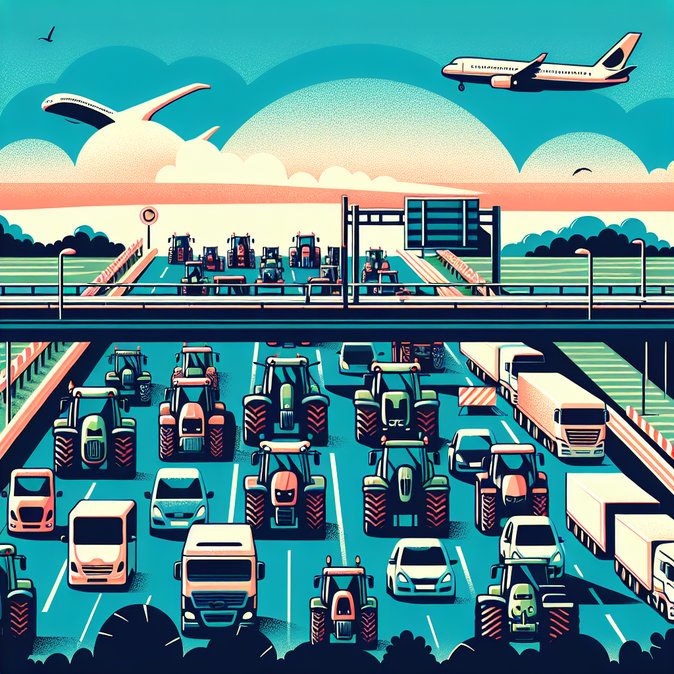
As Storm Goretti strengthened over north-western Europe on 7 January, French authorities extended emergency measures beyond the Paris region. The Interior Ministry imposed a blanket daytime ban on heavy-goods vehicles across 38 departments, citing black-ice risks on the A1, A13 and A16 corridors that link Paris with Channel ports and Benelux markets.
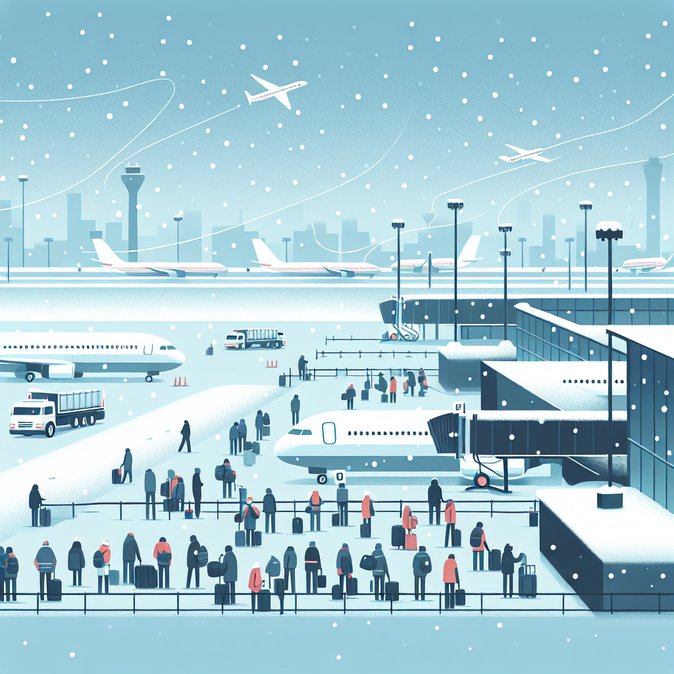
DGAC complemented the road restrictions by ordering additional flight reductions—10 % at regional hubs Lyon-Saint-Exupéry and Marseille-Provence—and kept de-icing crews on standby after Schiphol’s shortages triggered concern about glycol supplies. Air France confirmed it held sufficient stocks but warned of turnaround delays if temperatures stayed below –5 °C.
For organisations suddenly rerouting staff or relief teams across borders because of these disruptions, VisaHQ can accelerate the paperwork. The online platform provides up-to-date visa requirements, lets travellers submit digital applications with courier pickup, and can arrange emergency document processing even when consulates close early due to weather. Full details and corporate options are available at https://www.visahq.com/france/
![France Bans Trucks and Cuts Flights Nationwide as Storm Goretti Disrupts Supply Chains]()
Retail giant Carrefour told Reuters it was modelling “worst-case replenishment scenarios” for fresh produce and pharmaceuticals, activating contingency warehouses in the Centre-Val de Loire. Logistics firm Geodis diverted cross-dock operations to Bordeaux and Clermont-Ferrand to keep pan-European freight moving.
Economists estimate a one-day shutdown of truck traffic in northern France can shave €50–70 million off GDP through lost retail sales and just-in-time manufacturing hiccups. Automotive plants in Valenciennes and Douai announced shortened shifts, citing delayed component deliveries from Germany.
Météo-France predicts the cold snap will linger through 9 January. Employers with globally mobile staff should review duty-of-care plans, ensure expatriates have emergency supplies, and communicate possible payroll delays if courier services are interrupted.
DGAC complemented the road restrictions by ordering additional flight reductions—10 % at regional hubs Lyon-Saint-Exupéry and Marseille-Provence—and kept de-icing crews on standby after Schiphol’s shortages triggered concern about glycol supplies. Air France confirmed it held sufficient stocks but warned of turnaround delays if temperatures stayed below –5 °C.
For organisations suddenly rerouting staff or relief teams across borders because of these disruptions, VisaHQ can accelerate the paperwork. The online platform provides up-to-date visa requirements, lets travellers submit digital applications with courier pickup, and can arrange emergency document processing even when consulates close early due to weather. Full details and corporate options are available at https://www.visahq.com/france/

Retail giant Carrefour told Reuters it was modelling “worst-case replenishment scenarios” for fresh produce and pharmaceuticals, activating contingency warehouses in the Centre-Val de Loire. Logistics firm Geodis diverted cross-dock operations to Bordeaux and Clermont-Ferrand to keep pan-European freight moving.
Economists estimate a one-day shutdown of truck traffic in northern France can shave €50–70 million off GDP through lost retail sales and just-in-time manufacturing hiccups. Automotive plants in Valenciennes and Douai announced shortened shifts, citing delayed component deliveries from Germany.
Météo-France predicts the cold snap will linger through 9 January. Employers with globally mobile staff should review duty-of-care plans, ensure expatriates have emergency supplies, and communicate possible payroll delays if courier services are interrupted.