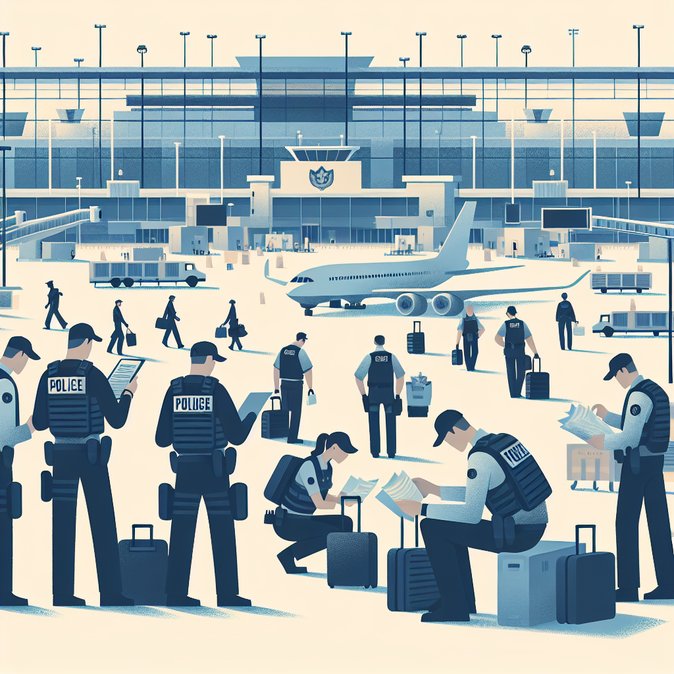
Between 1 and 5 January 2026 the Federal Police (PF) conducted a series of intensified operations at São Paulo/Guarulhos International Airport, Brazil’s busiest gateway, resulting in multiple arrests and seizures. According to a 6 January PF communiqué, officers executed warrants for fugitives from three states, detected forged travel documents, and opened proceedings for racism-related offences and drug possession.
Highlights include the interdiction of a passenger en route to France who was internally carrying cocaine and the seizure of counterfeit passports presented by an inadmissible traveller. The PF also reported the discovery of several travel documents with signs of tampering during routine biometric checks, demonstrating the agency’s growing reliance on forensic document scanners and INTERPOL databases.
![Federal Police Tighten Border Checks at Guarulhos: Arrests, Fake Passports and Drug Seizures in First Week of 2026]()
The crackdown follows December’s record seizure of nearly 100 kg of narcotics at Guarulhos and reflects a broader strategy to pair migration control with crime suppression during Brazil’s peak holiday-return period. For airlines, the operations can translate into longer queue times when secondary inspections escalate; carriers should brief crews to allow generous connection windows for tight transfers.
To minimize the risk of last-minute entry disruptions, travelers may consider using a specialized visa and passport service. VisaHQ, for example, tracks Brazil’s evolving entry requirements in real time and can facilitate expedited visa applications or passport renewals through its online platform (https://www.visahq.com/brazil/), helping passengers arrive with fully compliant documentation before reaching Guarulhos.
Travellers and corporate travel managers should ensure that passports are in pristine condition and that supporting visas are readily accessible. Brazilian authorities have made clear that improperly documented foreigners will be denied boarding or deported immediately under Migration Law 13.445/2017.
Highlights include the interdiction of a passenger en route to France who was internally carrying cocaine and the seizure of counterfeit passports presented by an inadmissible traveller. The PF also reported the discovery of several travel documents with signs of tampering during routine biometric checks, demonstrating the agency’s growing reliance on forensic document scanners and INTERPOL databases.

The crackdown follows December’s record seizure of nearly 100 kg of narcotics at Guarulhos and reflects a broader strategy to pair migration control with crime suppression during Brazil’s peak holiday-return period. For airlines, the operations can translate into longer queue times when secondary inspections escalate; carriers should brief crews to allow generous connection windows for tight transfers.
To minimize the risk of last-minute entry disruptions, travelers may consider using a specialized visa and passport service. VisaHQ, for example, tracks Brazil’s evolving entry requirements in real time and can facilitate expedited visa applications or passport renewals through its online platform (https://www.visahq.com/brazil/), helping passengers arrive with fully compliant documentation before reaching Guarulhos.
Travellers and corporate travel managers should ensure that passports are in pristine condition and that supporting visas are readily accessible. Brazilian authorities have made clear that improperly documented foreigners will be denied boarding or deported immediately under Migration Law 13.445/2017.