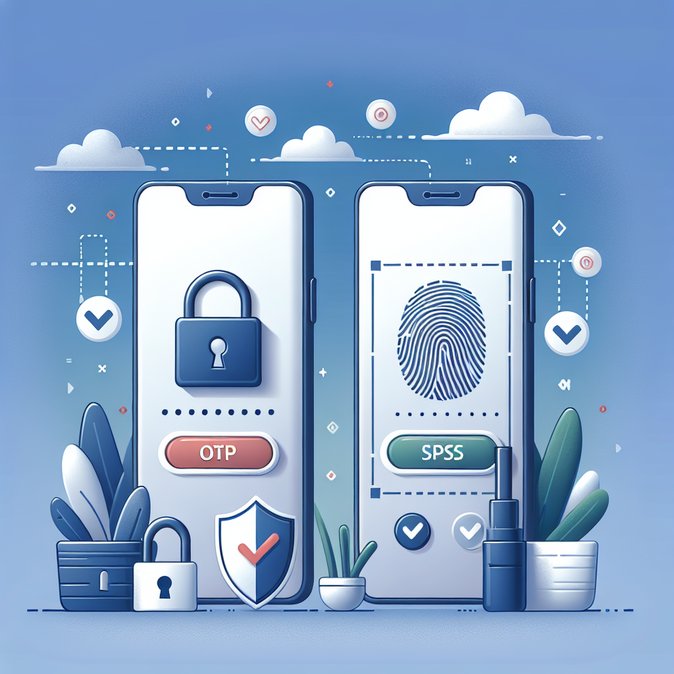
From 6 January 2026, leading UAE banks—including Emirates NBD, Abu Dhabi Commercial Bank and Mashreq—have ceased issuing SMS one-time passwords for online card transactions in favour of in-app biometric approvals. Cardholders must authenticate via fingerprint or facial recognition within their banking apps to complete e-commerce purchases.(timesofindia.indiatimes.com)
While primarily a cybersecurity move, the change has direct mobility implications: expatriates who retain foreign SIM cards often rely on roaming SMS to receive OTPs. Without local numbers or updated apps, they risk payment failures that can disrupt housing deposits, school fees and medical-insurance renewals.
During the visa-application process, travellers often discover that local mobile connectivity and banking requirements go hand-in-hand with immigration paperwork. VisaHQ’s UAE portal (https://www.visahq.com/united-arab-emirates/) guides newcomers through entry-visa options and, where applicable, alerts them to practical steps such as obtaining a local SIM and downloading approved banking apps—helping applicants land with both legal status and functional payment tools.
![Banks Switch Off SMS OTPs, Forcing Foreign Residents to Enable Biometric App Approval]()
Employers are advising inbound assignees to register UAE mobile numbers on arrival and download bank apps before their first payroll date. Some relocation providers have added “digital banking set-up” to their orientation packages, reflecting the dependency of daily life on seamless cashless transactions.
E-commerce platforms such as Noon and Talabat report initial cart-abandonment spikes but expect normalisation within weeks as users adapt. The Central Bank asserts that biometric approvals cut fraud rates by 70 % and align with the Emirates’ ambition to become a top-10 cashless economy by 2030.
Global assignees accustomed to SMS codes elsewhere should prepare for a steeper digital learning curve in the UAE and budget extra time during the first salary cycle to activate biometric credentials.
While primarily a cybersecurity move, the change has direct mobility implications: expatriates who retain foreign SIM cards often rely on roaming SMS to receive OTPs. Without local numbers or updated apps, they risk payment failures that can disrupt housing deposits, school fees and medical-insurance renewals.
During the visa-application process, travellers often discover that local mobile connectivity and banking requirements go hand-in-hand with immigration paperwork. VisaHQ’s UAE portal (https://www.visahq.com/united-arab-emirates/) guides newcomers through entry-visa options and, where applicable, alerts them to practical steps such as obtaining a local SIM and downloading approved banking apps—helping applicants land with both legal status and functional payment tools.

Employers are advising inbound assignees to register UAE mobile numbers on arrival and download bank apps before their first payroll date. Some relocation providers have added “digital banking set-up” to their orientation packages, reflecting the dependency of daily life on seamless cashless transactions.
E-commerce platforms such as Noon and Talabat report initial cart-abandonment spikes but expect normalisation within weeks as users adapt. The Central Bank asserts that biometric approvals cut fraud rates by 70 % and align with the Emirates’ ambition to become a top-10 cashless economy by 2030.
Global assignees accustomed to SMS codes elsewhere should prepare for a steeper digital learning curve in the UAE and budget extra time during the first salary cycle to activate biometric credentials.