Hong Kong’s tourism engine roared back to life during the 31 December – 4 January holiday, with the city’s inter-departmental festival taskforce confirming 950,000 inbound travellers—40 percent more than a year ago. Mainland Chinese residents accounted for 740,000 of those entries, up 48 percent year-on-year, thanks in part to Beijing’s newly extended three-day public holiday.
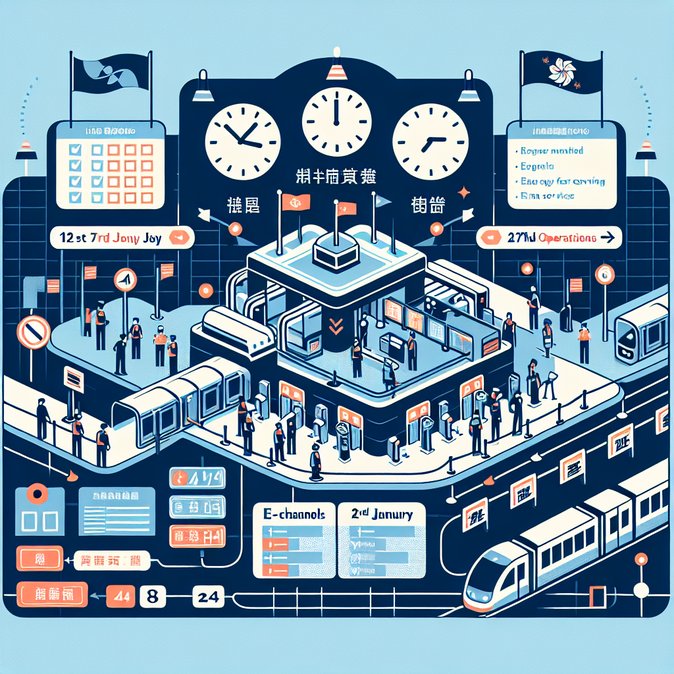
To cope with the surge, immigration authorities temporarily extended opening hours at the Lo Wu and Shenzhen Bay checkpoints, while MTR Corporation added late-night intercity services under the Greater Bay Area Transport Facilitation Scheme. The Security Bureau reactivated its Emergency Monitoring and Support Centre to manage crowd flows, and over 300 additional e-Channel lanes were opened across land and sea control points.
Travellers eager to join the rebound can streamline the paperwork side through VisaHQ, which offers an online, step-by-step service for obtaining China and Hong Kong visas, including multi-entry permits crucial to Greater Bay commuters. The platform’s real-time updates and courier options at https://www.visahq.com/china/ help corporate mobility teams cut lead times and avoid last-minute border snags.
![Hong Kong Handles 950,000 Arrivals over New-Year Weekend, 48 % Jump in Mainland Visitors]()
Hotel occupancy averaged 92 percent, according to the Hong Kong Hotels Association, but retailers reported only modest gains as visitors spent cautiously—an early sign that the market mix remains value-driven. Still, airline seat-capacity data from OAG show that Hong Kong now offers 87 percent of its pre-pandemic mainland capacity, up from 63 percent this time last year, indicating continued corporate travel recovery.
For mobility managers, the weekend was an important stress-test of post-pandemic border infrastructure. Queues rarely exceeded 30 minutes, suggesting that contingency staffing and expanded e-Channels can now handle traffic spikes close to 2019 levels. Companies should, however, remind travellers that the Health Declaration Code—though now a one-click form—remains mandatory, and PCR-test exemptions for frequent cross-border commuters expire at the end of January unless renewed.
Looking ahead, Hong Kong Tourism Board expects 36–38 million mainland arrivals for full-year 2026, still below the pre-Covid peak of 44 million but well above 2025’s 28 million. The latest numbers strengthen calls by chambers of commerce for further streamlining of multi-entry permits for non-Chinese Hong Kong residents to support regional headquarters staffing.
To cope with the surge, immigration authorities temporarily extended opening hours at the Lo Wu and Shenzhen Bay checkpoints, while MTR Corporation added late-night intercity services under the Greater Bay Area Transport Facilitation Scheme. The Security Bureau reactivated its Emergency Monitoring and Support Centre to manage crowd flows, and over 300 additional e-Channel lanes were opened across land and sea control points.
Travellers eager to join the rebound can streamline the paperwork side through VisaHQ, which offers an online, step-by-step service for obtaining China and Hong Kong visas, including multi-entry permits crucial to Greater Bay commuters. The platform’s real-time updates and courier options at https://www.visahq.com/china/ help corporate mobility teams cut lead times and avoid last-minute border snags.

Hotel occupancy averaged 92 percent, according to the Hong Kong Hotels Association, but retailers reported only modest gains as visitors spent cautiously—an early sign that the market mix remains value-driven. Still, airline seat-capacity data from OAG show that Hong Kong now offers 87 percent of its pre-pandemic mainland capacity, up from 63 percent this time last year, indicating continued corporate travel recovery.
For mobility managers, the weekend was an important stress-test of post-pandemic border infrastructure. Queues rarely exceeded 30 minutes, suggesting that contingency staffing and expanded e-Channels can now handle traffic spikes close to 2019 levels. Companies should, however, remind travellers that the Health Declaration Code—though now a one-click form—remains mandatory, and PCR-test exemptions for frequent cross-border commuters expire at the end of January unless renewed.
Looking ahead, Hong Kong Tourism Board expects 36–38 million mainland arrivals for full-year 2026, still below the pre-Covid peak of 44 million but well above 2025’s 28 million. The latest numbers strengthen calls by chambers of commerce for further streamlining of multi-entry permits for non-Chinese Hong Kong residents to support regional headquarters staffing.