Fresh statistics from Hong Kong’s Immigration Department show that the territory processed 3.2 million inbound and outbound movements between 1 – 3 January 2026. Of these, 1.63 million were entries, with the Lo Wu (620,000) and Lok Ma Chau/Futian (570,000) rail crossings handling the lion’s share.
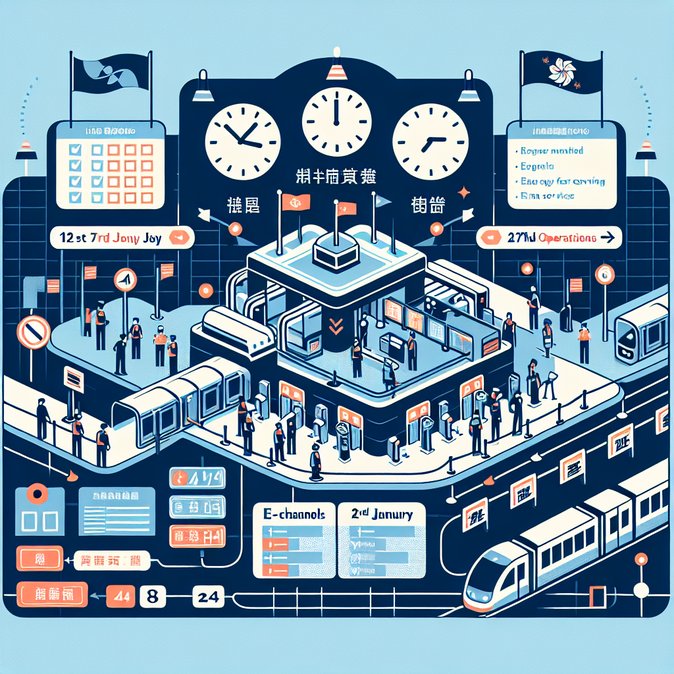
Total flows equalled 85 percent of the comparable New-Year holiday in 2019, a milestone given that Hong Kong only removed its final pandemic-era restrictions 15 months ago. Officials credited the performance to the deployment of roving “immigration marshals,” 24-hour e-Channels and supplementary MTR intercity trains funded under the Greater Bay Area Transport Facilitation Scheme.
From a corporate-mobility perspective, the figures confirm that Hong Kong’s border infrastructure—and crucially, its staffing levels—are now robust enough to manage near-pre-Covid volumes. This is essential for companies shuttling personnel between Hong Kong headquarters and mainland production hubs. However, travellers should note that some temporary measures, such as round-the-clock service at Lo Wu, will revert to normal schedules after 8 January.
![Cross-Border Movements through Hong Kong Reach 3.2 Million in Three Days—85 % of 2019 Volumes]()
Whether you’re a multinational coordinating staff rotations or an entrepreneur making a quick sourcing trip, visa paperwork can still be the biggest wildcard. VisaHQ streamlines the process by handling Chinese visa applications end-to-end, providing real-time status updates and on-call experts who know the latest entry policies. To see how the service works—and to start an application in minutes—visit https://www.visahq.com/china/
Logistics analysts say the surge also stress-tested cargo flows: 14,200 cross-border trucks cleared customs each day, up 12 percent year-on-year, with no significant delays reported. That bodes well for manufacturers relying on just-in-time deliveries ahead of the Spring Festival factory shutdowns later this month.
In the medium term, Hong Kong’s Transport and Logistics Bureau plans to pilot facial-recognition boarding on the Guangzhou-Shenzhen-Hong Kong Express Rail Link by Q3 2026, which could further raise hourly passenger capacity by 15 percent.
Total flows equalled 85 percent of the comparable New-Year holiday in 2019, a milestone given that Hong Kong only removed its final pandemic-era restrictions 15 months ago. Officials credited the performance to the deployment of roving “immigration marshals,” 24-hour e-Channels and supplementary MTR intercity trains funded under the Greater Bay Area Transport Facilitation Scheme.
From a corporate-mobility perspective, the figures confirm that Hong Kong’s border infrastructure—and crucially, its staffing levels—are now robust enough to manage near-pre-Covid volumes. This is essential for companies shuttling personnel between Hong Kong headquarters and mainland production hubs. However, travellers should note that some temporary measures, such as round-the-clock service at Lo Wu, will revert to normal schedules after 8 January.

Whether you’re a multinational coordinating staff rotations or an entrepreneur making a quick sourcing trip, visa paperwork can still be the biggest wildcard. VisaHQ streamlines the process by handling Chinese visa applications end-to-end, providing real-time status updates and on-call experts who know the latest entry policies. To see how the service works—and to start an application in minutes—visit https://www.visahq.com/china/
Logistics analysts say the surge also stress-tested cargo flows: 14,200 cross-border trucks cleared customs each day, up 12 percent year-on-year, with no significant delays reported. That bodes well for manufacturers relying on just-in-time deliveries ahead of the Spring Festival factory shutdowns later this month.
In the medium term, Hong Kong’s Transport and Logistics Bureau plans to pilot facial-recognition boarding on the Guangzhou-Shenzhen-Hong Kong Express Rail Link by Q3 2026, which could further raise hourly passenger capacity by 15 percent.