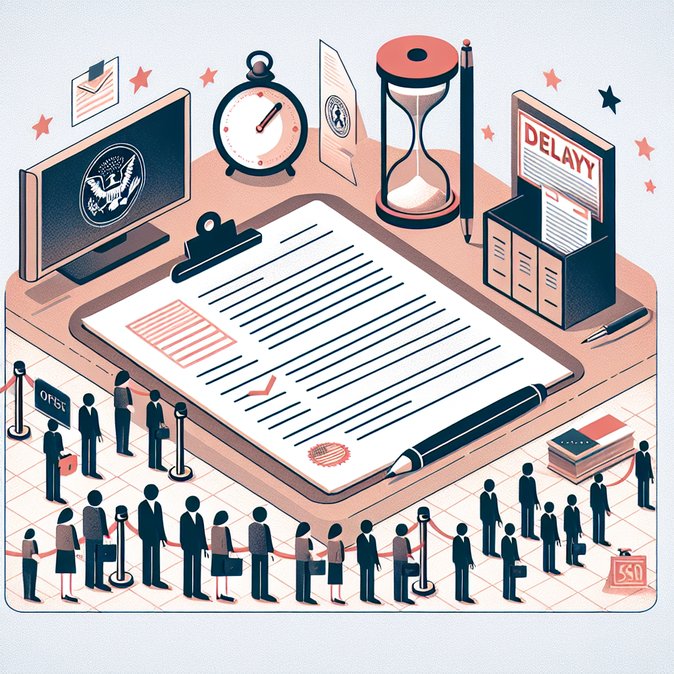
Major changes are looming for foreign nationals hoping to become Irish citizens. In an interview on the sidelines of the G20 summit, Taoiseach Micheál Martin confirmed that Cabinet will next week debate a proposal that would make receipt of certain social-welfare payments a disqualifying factor for naturalisation. Drafted by Justice Minister Jim O’Callaghan, the package would also lengthen the reckonable-residence period for refugees from three to five years.
Officials argue that tying economic self-sufficiency to citizenship protects public finances and encourages deeper labour-market integration. Similar models already exist in Denmark and the Netherlands, where applicants must demonstrate recent employment or self-support. Under the Irish plan, sponsors of family-reunification cases would also have to prove they have no outstanding debts to the State and meet higher income thresholds, a move likely to hit lower-paid sectors such as hospitality and home care.
At this juncture, services such as VisaHQ can be invaluable. Through its Irish portal (https://www.visahq.com/ireland/), the company helps both individuals and HR teams assemble the right paperwork, monitor shifting eligibility standards and lodge visa or residence applications efficiently—support that will prove critical if income and welfare tests become stricter.
![Ireland plans welfare means test and longer residence for citizenship applicants]()
Business implications are significant. Citizenship unlocks EU free-movement rights and eliminates the need for repeated employment-permit renewals (currently €1,000 every two years). If the qualifying clock is extended, companies may have to budget for additional permit fees and manage retention risks as key talent waits longer for the security of an Irish passport.
The Department of Justice will run a four-week consultation once Cabinet signs off on a draft bill. Implementation is unlikely before late 2026, but immigration advisers are urging employers to audit assignee welfare records and income levels now to pinpoint staff who could be caught by the new rules.
Practical takeaway: existing naturalisation applicants are unaffected for now, but future candidates should keep payslips and tax-clearance certificates on file and avoid lapses in private medical insurance, which could be construed as welfare dependency under a stricter regime.
Officials argue that tying economic self-sufficiency to citizenship protects public finances and encourages deeper labour-market integration. Similar models already exist in Denmark and the Netherlands, where applicants must demonstrate recent employment or self-support. Under the Irish plan, sponsors of family-reunification cases would also have to prove they have no outstanding debts to the State and meet higher income thresholds, a move likely to hit lower-paid sectors such as hospitality and home care.
At this juncture, services such as VisaHQ can be invaluable. Through its Irish portal (https://www.visahq.com/ireland/), the company helps both individuals and HR teams assemble the right paperwork, monitor shifting eligibility standards and lodge visa or residence applications efficiently—support that will prove critical if income and welfare tests become stricter.

Business implications are significant. Citizenship unlocks EU free-movement rights and eliminates the need for repeated employment-permit renewals (currently €1,000 every two years). If the qualifying clock is extended, companies may have to budget for additional permit fees and manage retention risks as key talent waits longer for the security of an Irish passport.
The Department of Justice will run a four-week consultation once Cabinet signs off on a draft bill. Implementation is unlikely before late 2026, but immigration advisers are urging employers to audit assignee welfare records and income levels now to pinpoint staff who could be caught by the new rules.
Practical takeaway: existing naturalisation applicants are unaffected for now, but future candidates should keep payslips and tax-clearance certificates on file and avoid lapses in private medical insurance, which could be construed as welfare dependency under a stricter regime.