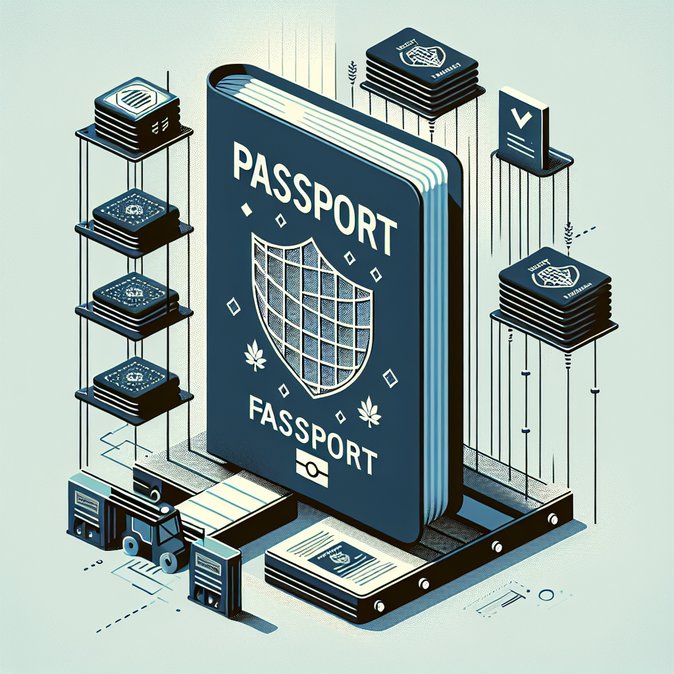
The Department of Foreign Affairs (DFA) has asked the Irish Exchequer for €13.6 million to deliver a long-overdue upgrade of the Irish passport book, after internal security assessments warned that existing design features risk being overtaken by increasingly sophisticated forgery techniques.
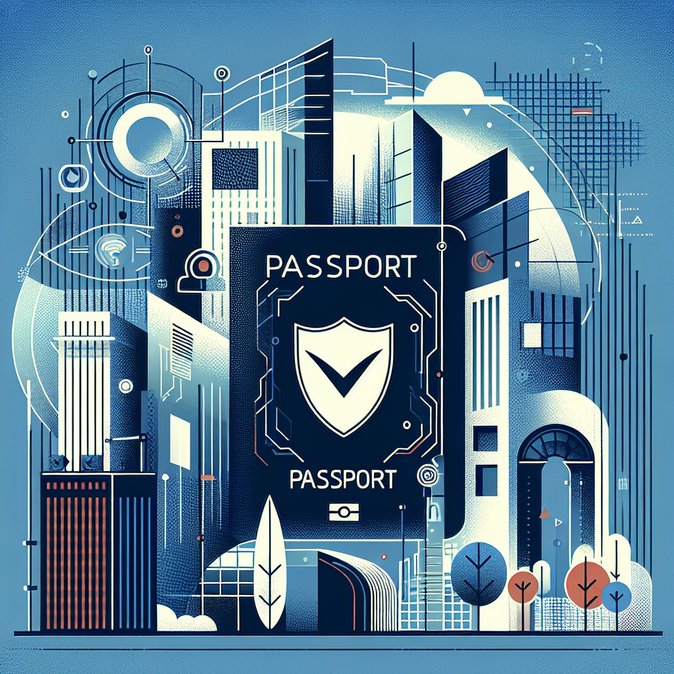
If approved in Budget 2026, the redesign will introduce polycarbonate data pages, next-generation holograms, UV inks and micro-text that align Ireland with the newest ICAO security standards. Officials say the project is two years behind schedule because pandemic-era resources were diverted to clearing record-high passport backlogs, leaving no capacity for a design overhaul.
The DFA’s submission, first reported on 4 January, stresses the business-mobility dimension: more than 900,000 passports are now issued annually, a volume driven by post-Brexit demand from Irish citizens resident in Great Britain and from dual-eligible professionals seeking friction-free access to the EU market. A more secure booklet, the department argues, will speed up automated e-gate processing overseas and reduce secondary inspections that can delay business travellers.
![Ireland to Invest €13.6 Million in Next-Generation Passport to Fight Identity Fraud]()
At a practical level, travellers and employers can simplify the administrative burden by using VisaHQ’s end-to-end passport and visa services. The platform’s Ireland hub (https://www.visahq.com/ireland/) offers real-time renewal guidance, digital document checks and courier options, providing a reliable safety net for Irish passport holders and corporate mobility teams while the upgraded booklet is phased in.
In tandem with the redesign, the DFA plans to build a 500,000-book contingency buffer so that corporate mobility managers can continue to obtain fast-track renewals even if global supply-chain shocks disrupt paper or chip deliveries. The popular online renewal platform—now handling 90 % of adult applications—will remain the primary channel, with turnaround times kept below two weeks; officials claim a paper-based alternative would require 1,254 additional staff and extend waits to eight weeks.
For companies relocating staff to or from Ireland, the message is clear: employees should check passport validity well in advance of international assignments in 2026-27, as a surge in early renewals is likely once the upgraded book is announced. Mobility teams may also wish to budget for higher fast-track or courier fees during the switchover period while production lines recalibrate.
If approved in Budget 2026, the redesign will introduce polycarbonate data pages, next-generation holograms, UV inks and micro-text that align Ireland with the newest ICAO security standards. Officials say the project is two years behind schedule because pandemic-era resources were diverted to clearing record-high passport backlogs, leaving no capacity for a design overhaul.
The DFA’s submission, first reported on 4 January, stresses the business-mobility dimension: more than 900,000 passports are now issued annually, a volume driven by post-Brexit demand from Irish citizens resident in Great Britain and from dual-eligible professionals seeking friction-free access to the EU market. A more secure booklet, the department argues, will speed up automated e-gate processing overseas and reduce secondary inspections that can delay business travellers.
At a practical level, travellers and employers can simplify the administrative burden by using VisaHQ’s end-to-end passport and visa services. The platform’s Ireland hub (https://www.visahq.com/ireland/) offers real-time renewal guidance, digital document checks and courier options, providing a reliable safety net for Irish passport holders and corporate mobility teams while the upgraded booklet is phased in.
In tandem with the redesign, the DFA plans to build a 500,000-book contingency buffer so that corporate mobility managers can continue to obtain fast-track renewals even if global supply-chain shocks disrupt paper or chip deliveries. The popular online renewal platform—now handling 90 % of adult applications—will remain the primary channel, with turnaround times kept below two weeks; officials claim a paper-based alternative would require 1,254 additional staff and extend waits to eight weeks.
For companies relocating staff to or from Ireland, the message is clear: employees should check passport validity well in advance of international assignments in 2026-27, as a surge in early renewals is likely once the upgraded book is announced. Mobility teams may also wish to budget for higher fast-track or courier fees during the switchover period while production lines recalibrate.