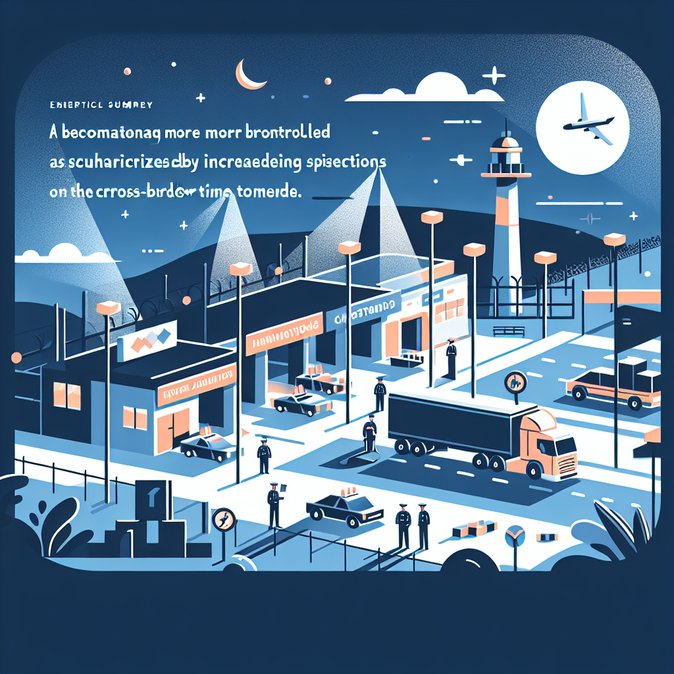
Authorities in Gomati district, southern Tripura, imposed fresh restrictions along a 45-kilometre stretch of the India–Bangladesh border late on 2 January 2026 after intelligence reports flagged possible cross-border infiltration attempts. Although officials declined to reveal the exact measures for operational reasons, local sources told the Times of India that night-time movement near unfenced sections has been banned, and special passes are now required for farm workers accessing plots that straddle the zero-line.
The district administration is working with the Border Security Force (BSF) to deploy additional floodlights, drone-mounted cameras and portable thermal imagers. Cargo trucks using the Sonamura land-customs station have been instructed to report two hours earlier for inspection, raising concerns among exporters of perishable goods to Bangladesh.
The sudden curbs highlight the operational headaches that sporadic security alerts create for companies sending technicians to on-going rail-link and power-transmission projects in Tripura. Mobility managers must now factor in longer road checks and potential curfews when planning site visits or cross-border training rotations with Bangladeshi partners.
![Tripura’s Gomati district tightens India-Bangladesh border rules amid security alerts]()
Legal advisers note that India’s Foreigners Regional Registration Office (FRRO) in Agartala may enforce stricter documentation for Bangladeshi project staff entering Tripura, including proof of local accommodation and insurance. Firms relying on daily-wage labour from across the border could see higher compliance costs if multiple-entry labour permits are temporarily suspended.
For organisations grappling with these tighter entry rules, VisaHQ can provide rapid assistance by streamlining applications for Indian visas, FRRO registrations and related travel documents. The company’s India portal (https://www.visahq.com/india/) supplies up-to-date checklists, expert review services and expedited processing options, helping managers avoid costly delays when local requirements shift without notice.
Analysts expect the restrictions to stay until at least mid-February, when the BSF completes a security audit ahead of state-assembly elections. Businesses should monitor district-level notifications, as penalties for violating movement orders can include detention and blacklisting under the Foreigners Act.
The district administration is working with the Border Security Force (BSF) to deploy additional floodlights, drone-mounted cameras and portable thermal imagers. Cargo trucks using the Sonamura land-customs station have been instructed to report two hours earlier for inspection, raising concerns among exporters of perishable goods to Bangladesh.
The sudden curbs highlight the operational headaches that sporadic security alerts create for companies sending technicians to on-going rail-link and power-transmission projects in Tripura. Mobility managers must now factor in longer road checks and potential curfews when planning site visits or cross-border training rotations with Bangladeshi partners.

Legal advisers note that India’s Foreigners Regional Registration Office (FRRO) in Agartala may enforce stricter documentation for Bangladeshi project staff entering Tripura, including proof of local accommodation and insurance. Firms relying on daily-wage labour from across the border could see higher compliance costs if multiple-entry labour permits are temporarily suspended.
For organisations grappling with these tighter entry rules, VisaHQ can provide rapid assistance by streamlining applications for Indian visas, FRRO registrations and related travel documents. The company’s India portal (https://www.visahq.com/india/) supplies up-to-date checklists, expert review services and expedited processing options, helping managers avoid costly delays when local requirements shift without notice.
Analysts expect the restrictions to stay until at least mid-February, when the BSF completes a security audit ahead of state-assembly elections. Businesses should monitor district-level notifications, as penalties for violating movement orders can include detention and blacklisting under the Foreigners Act.