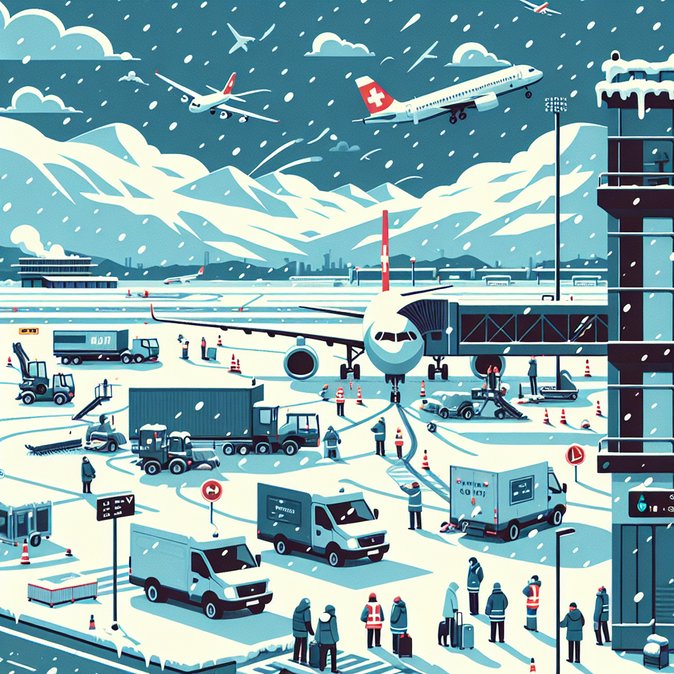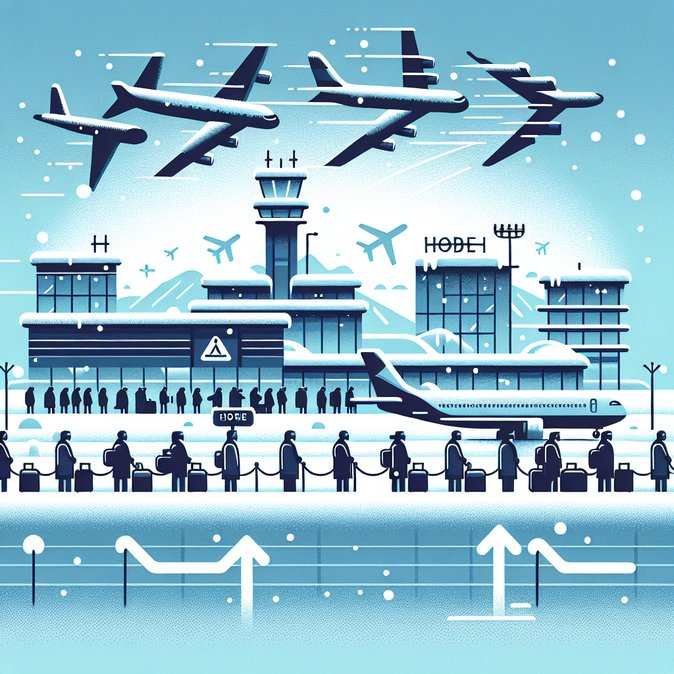
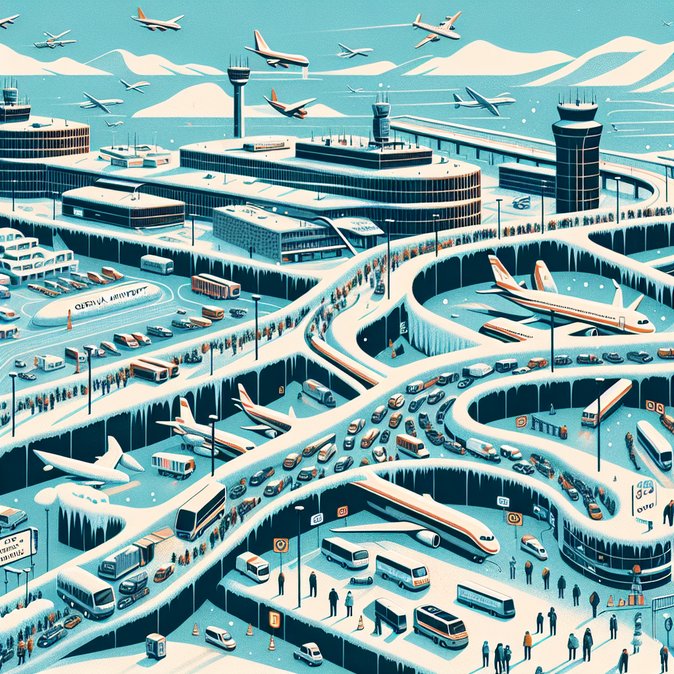
While an Atlantic weather front was the spark, a confluence of crew shortages, slot constraints and residual holiday traffic turned 3 January 2026 into one of the most chaotic travel days of the winter across Europe. Data compiled by aviation analytics firm Cirium show 8,480 flights delayed and 691 cancelled across the continent. Geneva Airport—gateway for the United Nations, commodity-trading houses and winter-sports tourists—recorded six cancellations and a staggering 250 delays, many cascading from earlier disruption at upstream hubs such as Amsterdam, Paris-CDG and London Heathrow.
Business travellers suffered the brunt. Multinationals headquartered in Geneva’s international district reported executives stranded in hub airports when connecting flights missed curfews. Commodity traders attempting to reach Monday morning LNG tenders in Singapore faced the prospect of arriving a day late unless rerouted via the Middle East. Some corporates triggered their travel-disruption insurance after hotel rates in the city spiked above CHF 400.
Geneva Airport’s operations centre said the new EU/Swiss Entry-Exit System (EES) also contributed to bottlenecks by lengthening passport-control processing times for first-time biometric enrolments. Although Swiss border police opened extra lanes, peak queues still exceeded 90 minutes—sparking concerns about missed connections on separate tickets.
![Europe-Wide Air-Traffic Snarl-Up Leaves 250 Flights Delayed at Geneva]()
Whether you are a stranded executive or a skier trying to salvage a weekend in the Alps, having the right travel documents in hand can speed up rebooking arrangements and alternative routings. VisaHQ’s Switzerland portal (https://www.visahq.com/switzerland/) lets travellers and corporate mobility teams check real-time visa requirements, obtain rush processing where possible, and receive digital updates that synchronise with itinerary changes—helping to remove one variable from an otherwise unpredictable travel day.
Airlines have called on Eurocontrol to grant temporary slot-tolerance relief so they can recover schedules without losing scarce summer 2026 slots. Industry association Airlines for Europe argues that a single-digit percentage reduction in mandated separation minima during low-visibility approaches would free capacity, though pilots’ unions insist safety margins must not be trimmed.
From a global-mobility perspective, the episode highlights how knock-on effects from Europe’s tightly woven air-traffic system can affect Swiss-based assignees and inbound project teams even when the initial disruption occurs abroad. Mobility managers are advised to diversify routings—considering Lyon or Milan as alternates—and to keep assignees informed about real-time queue times via the airport’s API.
Business travellers suffered the brunt. Multinationals headquartered in Geneva’s international district reported executives stranded in hub airports when connecting flights missed curfews. Commodity traders attempting to reach Monday morning LNG tenders in Singapore faced the prospect of arriving a day late unless rerouted via the Middle East. Some corporates triggered their travel-disruption insurance after hotel rates in the city spiked above CHF 400.
Geneva Airport’s operations centre said the new EU/Swiss Entry-Exit System (EES) also contributed to bottlenecks by lengthening passport-control processing times for first-time biometric enrolments. Although Swiss border police opened extra lanes, peak queues still exceeded 90 minutes—sparking concerns about missed connections on separate tickets.
Whether you are a stranded executive or a skier trying to salvage a weekend in the Alps, having the right travel documents in hand can speed up rebooking arrangements and alternative routings. VisaHQ’s Switzerland portal (https://www.visahq.com/switzerland/) lets travellers and corporate mobility teams check real-time visa requirements, obtain rush processing where possible, and receive digital updates that synchronise with itinerary changes—helping to remove one variable from an otherwise unpredictable travel day.
Airlines have called on Eurocontrol to grant temporary slot-tolerance relief so they can recover schedules without losing scarce summer 2026 slots. Industry association Airlines for Europe argues that a single-digit percentage reduction in mandated separation minima during low-visibility approaches would free capacity, though pilots’ unions insist safety margins must not be trimmed.
From a global-mobility perspective, the episode highlights how knock-on effects from Europe’s tightly woven air-traffic system can affect Swiss-based assignees and inbound project teams even when the initial disruption occurs abroad. Mobility managers are advised to diversify routings—considering Lyon or Milan as alternates—and to keep assignees informed about real-time queue times via the airport’s API.